Practical answer: for most travelers with extra luggage, take a direct long‑distance train between Florence and Milan when possible, plan door‑to‑door transfers (hotel to station and station to Milan accommodation), and schedule extra time for luggage handling and contingencies. Trains generally offer the best balance of space, predictability, and the ability to walk luggage on and off platforms without frequent transfers; coaches can be cheaper but add handling friction. Whatever mode you choose, pre-book a known transfer or luggage service for first/last mile, verify luggage policies on the provider’s booking page, and keep a simple disruption backup (later train, coach alternative, or private transfer). Below I’ll walk you through terminal fit, luggage/transfer friction, timing flexibility, and a realistic backup plan so you can choose the right travel-day approach for your trip.
Terminal fit: choosing the right arrival and departure points
Terminal fit matters more with heavy or multiple bags. In Florence you’ll usually deal with the main city station that sits centrally—close to many hotels but not every neighborhood. In Milan there are multiple major stations serving different parts of the city; pick an option that minimizes ground transfers to your final address. When comparing options, don’t just look at travel time: map the actual walk or transfer from the arrival platform or coach stop to your onward transport or accommodation. A longer ride that drops you closer to your hotel can save hours and reduce handling strain compared with a shorter trip that arrives at a distant terminal.
Check where services load and unload: some coach depots force passengers to move baggage into a separate luggage bay accessed by steps or ramps, while many major train stations have level access to platforms or elevators. If mobility or lifting capacity is a concern, look for services that advertise level boarding or request assistance ahead of time so staff can help with heavy bags. Also verify station facilities you’ll rely on—covered waiting areas, secure luggage rooms, or dedicated drop-off zones—by reading the provider’s booking page and recent passenger notes rather than assuming facilities are unchanged.
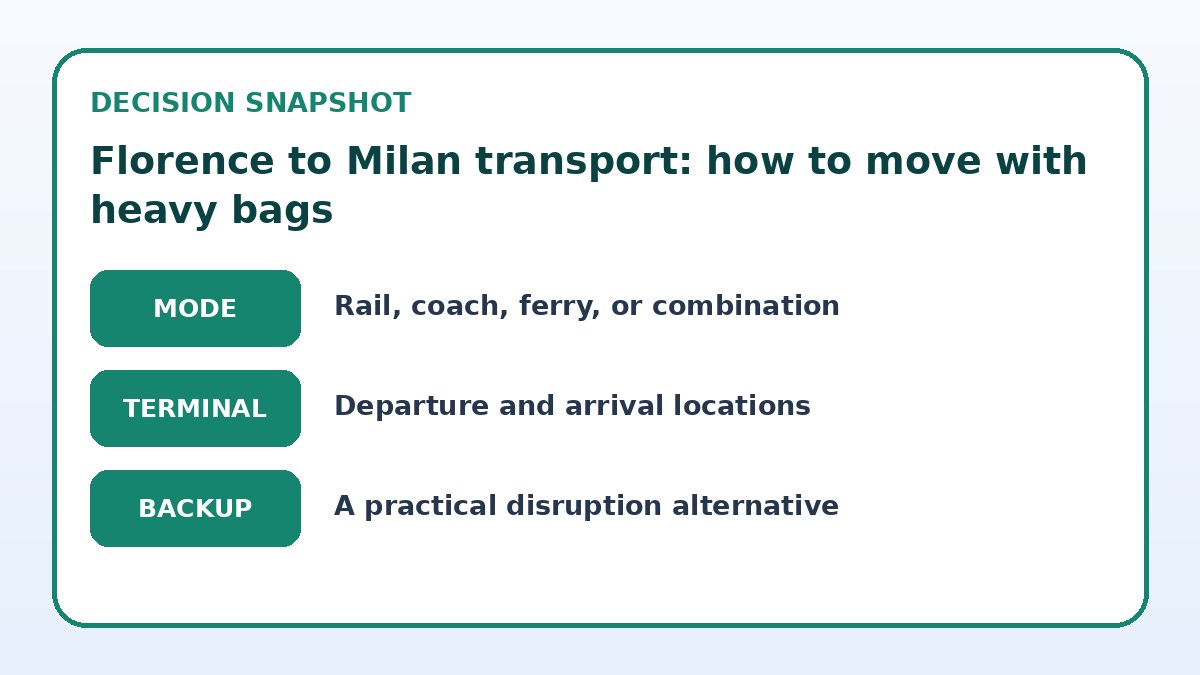
Choose the end-to-end journey plan
| Journey approach | Best for | Friction to check |
|---|---|---|
| Direct long-distance train | Minimizing luggage handling and predictable door-to-door transfers | May require earlier booking and careful platform navigation at busy stations |
| Coach between city centers | Lower cost and straightforward single-vehicle travel when you can store bags | Extra handling into luggage bays and potential for limited overhead space |
| Mixed-mode (regional train + transfer) | Reaching specific neighborhoods or connecting through stations closer to your lodging | Multiple bag handlings and longer minimum transfer times required |
| Door-to-door private transfer or taxi | Zero handling by you and direct pickup/drop at addresses | Higher cost and subject to road traffic and city access restrictions |
Check live intercity options
Look beyond the ride itself and compare terminals, transfers, luggage, and arrival fit.
Luggage and transfer friction: minimizing hands-on handling
Count every time you’ll touch your bags between door and room and choose the option with the fewest pickups and drops. Direct trains that require you to board, ride, and step off at the destination typically mean only two handlings: hotel to terminal and terminal to hotel. Options with transfers — whether coach changes, regional train connections, or mixed-mode itineraries — multiply those touch-points, which is especially taxing with heavy or oversized luggage. If you must change vehicles, aim for connections with long transfer windows and level platform transfers to avoid stairs and crowded corridors.
If you prefer to avoid physical strain entirely, book a door-to-door transfer service for first or last mile, or use paid luggage transport that moves bags between addresses for you. Verify weight and size limits before booking, and keep the provider’s pickup/dropoff instructions handy on travel day. When carrying your own bags, use wheeled luggage with robust wheels and a luggage strap for easy stacking, and pack a small, easily accessible change of clothes and essentials in a carry-on so you don’t need to open large cases during transfers.
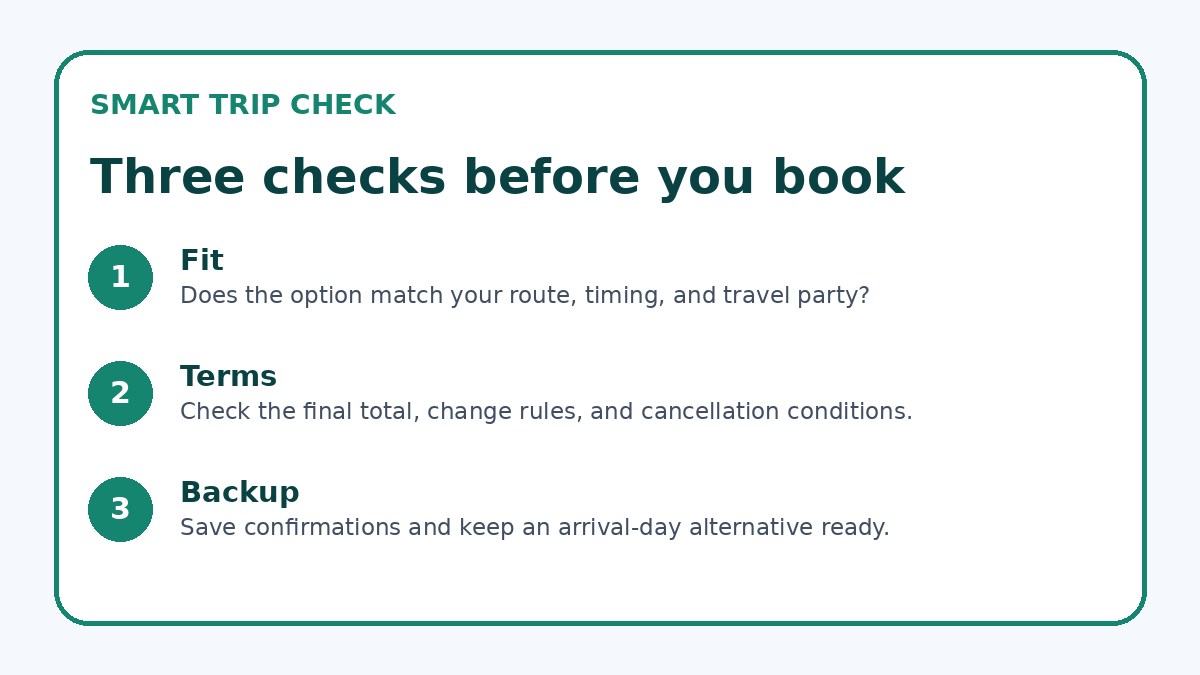
Timing flexibility: build slack and plan for peak periods
Plan buffer time into every stage of the day. Allow extra time for check-out, slow elevators, traffic to the terminal, and peak-period station crowds. If you travel during busy times—holiday weekends or morning commuter peaks—trains and station access points can be busier, slowing boarding and exit. Choosing a slightly earlier or later departure can ease stress; morning departures avoid evening delays tied to city traffic in Milan, while off-peak train services often have more available luggage space in aisles and accessible seating.
Also consider how strict your onward schedule is: if you have a tight meeting or a connecting flight from Milan, lean toward more conservative planning and a transfer with guaranteed arrival windows. If your onward plans are flexible, you can accept a smaller buffer in exchange for lower cost or a preferred departure time. Whatever you choose, have confirmation screenshots and phone numbers for transfers and check provider terms on the booking page regarding late arrivals, missed connections, and permitted luggage to prevent last-minute surprises.
Compare the practical alternatives
Use the final page to confirm what is actually offered on your dates and save a workable fallback.
Intercity travel checklist
- Map precise pickup and drop locations for both origin and destination and confirm transfer providers’ instructions in writing.
- Verify luggage size, weight, and quantity rules on the booking page for your chosen train or coach before purchase.
- Reserve a seat or coach space where possible and note platform or bay numbers for the travel day.
- Pack a small accessible bag with essentials, important documents, and an electronic charger separate from checked luggage.
- Book or confirm a door-to-station transfer for first or last mile if you prefer not to use local transit with heavy bags.
- Save backup travel options and provider contact details offline and set aside an emergency fund for unexpected private transfers.
Disruption backup: realistic alternatives for the travel day
Create two backups: a near-term alternative for the same day and a fallback in case of extended disruption. Near-term alternatives include later trains on the same route, a direct coach that follows similar corridors, or a private transfer when available. To keep options viable, note departure times and contact details for each alternative before you leave Florence. If you’re using third-party transfers, pick ones with flexible cancellation or time-change policies and confirm where to rebook in case you miss the original service.
For extended disruption scenarios—strikes, severe weather, or blocked tracks—know the general route options between the cities (rail corridor via mainline services, coach routes using major motorways, and private transfer routes) and where to find live updates. Keep an offline copy of confirmation emails and phone numbers, and have a small emergency fund or a card with contactless payment for an unplanned private transfer. If you plan to use luggage services, check their re-delivery policies in case you are delayed and your bags were collected earlier in the day.
Rail & Intercity Transport questions travelers ask
Can I take oversized or extra suitcases on trains between Florence and Milan?
Rules for oversized or extra suitcases vary by operator and fare type. Before booking, check the provider’s baggage policy on their official booking page to confirm permitted dimensions, weight limits, and any additional fees. If the operator allows extra items only by prebooking, secure that option in advance and keep written confirmation. For very large or multiple items, consider a door-to-door transfer service or paid luggage shipping; verify their pickup windows, insurance options, and delivery timing to ensure bags arrive when and where you will be.
How much time should I allow at stations when traveling with heavy luggage?
With heavy luggage, err on the side of more time: plan at least 60–90 minutes from hotel check‑out to being seated on a long‑distance train, which covers travel to the station, luggage handling, ticket checks, and navigating platforms. If your accommodation requires an extra local transfer or if you anticipate crowding during peak periods, add another 30 minutes. For coach travel, add time for luggage loading into bays and possible queuing. If you rely on a transfer service, confirm the driver’s earliest arrival window and build extra slack in case of urban traffic.
What’s the most reliable backup if my train is canceled or full?
A pragmatic short-term backup is the next available long-distance train or a direct coach on the same corridor—both keep you on the main route between cities. If those are full or canceled, a private transfer provides the most reliable door-to-door option but at higher cost and sometimes longer journey time due to road traffic. Before you travel, note the next two scheduled services and a vetted private transfer provider’s number; during disruptions, rebook through the operator’s official channels or your transfer provider to confirm luggage handling and pickup details.
Final decision note
Traveling from Florence to Milan with extra luggage is about minimizing handling and choosing a door-to-door plan that fits your tolerance for cost, time, and physical effort. Direct long-distance trains usually strike the best balance for most travelers: fewer handlings, predictable platforms, and easier walking access at city-center stations. Coaches and mixed-mode routes have roles—especially if they reduce walking or save money—but they increase the number of times you change bags. Whatever you pick, verify luggage rules and transfer details on providers’ booking pages, pre-arrange first/last-mile help if needed, and keep clear backups. With this preparation you’ll reduce strain on the travel day and increase the odds your bags arrive where you do.
Continue planning
Check current options and final conditions
Use the provider page to confirm live availability, the final total, cancellation terms, and every condition that matters to your trip.
This evergreen planning guide was created with AI-assisted drafting and a structured quality review. It does not display live prices, schedules, availability, visa guidance, or provider rankings. Verify current details before booking. Some links are affiliate links; we may earn a commission at no additional cost to you.