For most first-time visitors traveling from Los Angeles to Honolulu, the practical priority is comfort across the long-haul portion and the connection experience. Start by deciding whether you prefer a direct flight (if available) or a single connection with a long layover that lets you rest and move freely. Choose a flight time that fits your sleep schedule, then pick seats and amenities that reduce fatigue: extra legroom, an aisle seat if you plan to stand and stretch frequently, or a bulkhead for more space. Consider airport logistics in Los Angeles—terminal transfers, security times and lounge access—so you don’t arrive at your connection stressed. This article explains the tradeoffs you’ll face, the decision criteria to compare options effectively, and a practical checklist to follow before you book and on travel day.
See current options before you compare the details
Availability and final conditions change. Open Trip.com now or keep reading for the practical comparison.
Deciding between direct and connecting options
Direct flights are often the simplest option: one takeoff, one landing and fewer chances to misconnect or lose baggage. For a first-time visitor who prioritizes minimizing travel complexity, a direct nonstop (if offered) reduces the planning overhead and stress at airports. However, nonstops can depart at inconvenient times, be longer in duration if routed differently, or have fewer seat availability choices for comfort upgrades. Don’t assume every carrier runs nonstop service daily; check schedules for the specific dates you plan to travel and compare arrival times in Honolulu with what you want to do on your first day.
A single connection introduces tradeoffs that can work in your favor. A well-timed layover in Los Angeles—or at an intermediate West Coast city—can allow you to stretch, access an airport lounge, refresh in a restroom or airport shower if available, and board the long-haul leg feeling less cramped. The downside is added complexity: you must verify minimum connection times for your itinerary, potential terminal changes, and the risk of delays affecting the onward segment. When evaluating connecting itineraries, look beyond price: factor in total door-to-door time, scheduled connection length, and whether baggage is checked through to Honolulu or must be rechecked.
Picking flight times and seat choices for comfort
Choose flight times that align with your body clock and planned sleep pattern. If you can sleep on planes, overnight departures may let you rest and arrive in Honolulu refreshed for the afternoon or evening. If you struggle to sleep in transit, a daytime schedule with a long layover for a short nap or a proper rest at an airport lounge might work better. Consider how your planned activities on arrival—beach time, late check-in, or an evening event—should influence whether you prioritize arrival time over in-flight sleep.
Seat selection is one of the highest-return comfort decisions you can still control after schedule. If stretching is important, select an exit-row or bulkhead seat where allowed; an aisle seat lets you stand and walk without disturbing neighbors. If noise and light bother you, a window can block cabin light and give a wall to lean on. When booking, check the carrier’s seat map and what fees apply to preferred seats or extra legroom; verify these on the airline’s final booking page because policies and fees change frequently.
| Approach | Best for | Tradeoff to check |
|---|---|---|
| Nonstop flight | Travelers who want the simplest itinerary with minimal transfer risk. | May offer fewer timing and seat options and potential higher fares for preferred seats. |
| Short connection (under 2 hours) | Those prioritizing fastest total travel time and willing to move quickly between gates. | Less margin for delays, possible terminal transfer stress, and limited time to refresh. |
| Moderate connection (2–4 hours) | Passengers who want a buffer for transfers and time to relax or use a lounge. | Longer total journey time and more time spent at the airport versus in destination comfort. |
| Long connection (over 4 hours) | Travelers wanting to rest, eat proper meals, or split the journey into manageable segments. | Adds significant total travel time and may require planning for terminal comforts or paid lounge access. |
Ready to check the option that fits your plan?
Use your exact dates and traveler details so the provider page can show the current total and conditions.
Managing Los Angeles airport logistics and transfers
Los Angeles is served by several terminals and at least one major airport handling flights to Hawaii; each terminal has different lounges, security lines and transfer options. If your itinerary requires moving between terminals, factor in additional time for shuttle rides, security re-screening and walking between gates. Allow a buffer over the airline’s stated minimum connection time—especially during peak hours or if you must check luggage. Before booking, check your carrier’s terminal at LAX on their official site and verify whether your connecting flights are in the same terminal or require transit across the airport.
If lounge access matters for a long layover, look into day passes, credit card benefits or lounges tied to the operating carrier. Lounges can offer a quiet place to rest, shower facilities, and light meals that make a long journey feel less draining. When considering transfer services, prioritize verified transfer times and procedures on the airline’s or airport’s pages. Trip.com can be used to compare current availability, but always confirm gate, terminal, baggage transfer, lounge access, and cancellation or change policies directly with the airline before you commit.
Before you book
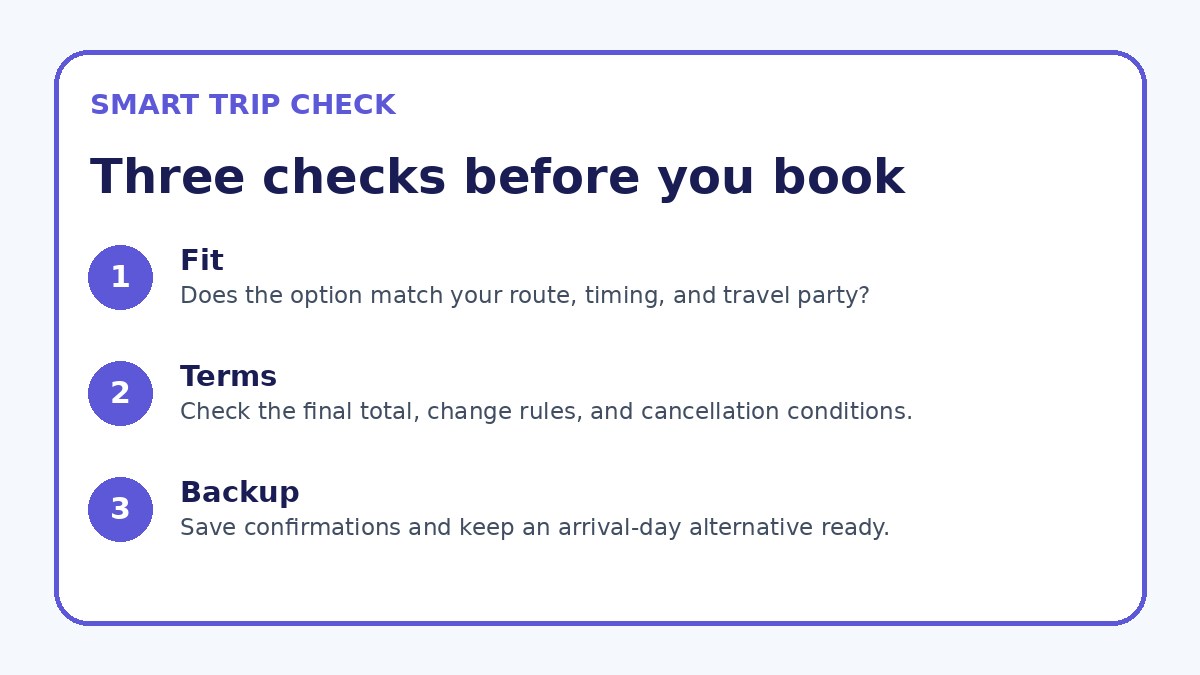
- Confirm whether your preferred Los Angeles–Honolulu itinerary is nonstop or requires a connection and note the exact terminals involved on the airline’s site.
- Compare total door-to-door time, layover duration, and seat availability before choosing between direct and connecting flights.
- Book a seat with a comfort feature you need—aisle, exit row, or extra legroom—and verify any selection fees on the carrier’s final booking page.
- Pack a small carry-on with a travel pillow, ear protection, eye mask, chargers, medications, and snacks; keep essentials accessible.
- Check baggage transfer rules and whether your bags will be checked through to Honolulu or need rechecking during a connection.
- Plan arrival logistics in Honolulu: local ground transport options, arrival time versus hotel check-in, and whether you’ll need an early-night schedule to manage jet lag.
Packing, health and in-flight strategies to reduce fatigue
Pack a small carry-on with items that make a long haul and connection easier: a lightweight travel pillow, noise-cancelling earbuds or earplugs, an eye mask, moist towelettes, a refillable water bottle to fill after security, and a change of clothes if you expect heavy humidity or want to freshen up. Keep important items—medications, travel documents, and chargers—in an easily accessible compartment. Check carry-on dimension rules and what is allowed through airport security on the airline’s booking page so you don’t face surprises at the gate.
To stay comfortable and reduce jet lag, hydrate before and during the flight, avoid excessive alcohol, and move every 60–90 minutes with short walks or seated stretches. Use compression socks if you’re prone to swelling on long flights. For connections, plan a layover activity like a brisk walk around the terminal, a short nap in a lounge if available, or light stretching in a quiet area. Before finalizing your booking, verify baggage transfer rules and whether in-flight meals and refreshments are included so you can pack supplemental snacks if needed.
Frequently asked questions
Is it better to fly direct or connect from Los Angeles to Honolulu?
There’s no single answer: direct flights simplify logistics and reduce connection risk, which can be less stressful for first-time visitors. Connecting itineraries, however, may offer more comfortable scheduling choices—for example, a midday splurge on legroom or a longer layover to rest in a lounge. Compare total travel time, the number and location of terminal changes, seat options, and whether baggage is checked through. Choose the option that balances your tolerance for airport time versus your need for simplicity and sleep on the plane.
How much layover time should I allow in Los Angeles for a connection?
Aim for at least the airline’s published minimum connection time plus an added buffer for walking between terminals, security rechecks, and possible delays. For same-terminal connections, two hours can be comfortable for many travelers; if you must change terminals or recheck luggage, budget three hours or more. If you plan to use a lounge, shower facilities, or leave the secure area briefly, build extra time. Always verify terminal assignments and minimum connection times on the airline’s official booking pages before you finalize your reservation.
What should I bring to make the long-haul portion more comfortable?
Carry a small kit with essentials: a compact travel pillow, eye mask, noise-cancelling earbuds or earplugs, a reusable water bottle to refill after security, and simple snacks that meet carry-on rules. Include a spare change of clothes and basic toiletries for freshness during connections. Wear layered clothing to adjust to cabin temperature, and consider compression socks for circulation on long flights. Confirm carry-on size allowances and rules on in-flight amenities on the airline’s booking page so you can bring items that will actually be allowed and useful.
Final planning note
Planning a comfortable Los Angeles to Honolulu trip hinges on choices you can control: whether to take a nonstop or connecting flight, what flight times align with your sleep patterns, and which seats or airport services you’ll pay for to reduce fatigue. Evaluate itineraries on total door-to-door time and the practicalities of terminal transfers rather than price alone. Use a checklist to ensure baggage rules, seat selections, and lounge options are verified on the airline’s booking page before you commit. With a little advance planning—smart seat choices, a carry-on comfort kit and realistic layover buffers—you can turn a long-haul connection into a manageable, even restful, part of your island-trip experience.
Continue planning
Check current options and final conditions
Use the provider page to confirm live availability, the final total, cancellation terms, and every condition that matters to your trip.
This evergreen planning guide was created with AI-assisted drafting and a structured quality review. It does not display live prices, schedules, availability, visa guidance, or provider rankings. Verify current details before booking. Some links are affiliate links; we may earn a commission at no additional cost to you.