If you’re planning a family trip from Ho Chi Minh City to Da Nang, your main choices are train, coach, ferry (as part of a combined sea route), or mixed options that split the trip. The practical decision should hinge on how many transfers you can handle, where your door-to-door journey begins and ends, and how much flexibility you want for luggage and nap times. Trains typically score for space and overnight rest, coaches for direct city-to-city simplicity, and ferries only make sense as part of a longer coastal link or scenic detour. This article compares those modes for families, focusing on terminal fit, luggage and transfer friction, timing flexibility, and a clear disruption backup. Read on to match a real family’s priorities—sleeping children, stroller needs, or tight connection windows—to the travel mode that will make the day less stressful.
Terminal fit: where the journey actually starts and ends
For families the most important question isn’t just which vehicle is comfortable but how close terminals are to your accommodation. A train station with taxis, ride-hail pickup points, and luggage ramps will make boarding easier when you have a stroller or heavy suitcases. Conversely, some coach terminals are outside city centers and require a long taxi ride, which erases any time or cost advantage and adds stress with young kids. Identify exact terminal addresses, the availability of elevators or ramps, and typical transfer options to your hotel before committing.
If considering a ferry segment, remember ferries often use ports even further from downtowns, so the sea leg can add significant transfer time. That extra transfer not only costs time but means repeating security or check-in processes, which is harder with restless children. Factor in arrival times at your final terminal as well: late-night arrivals may limit taxi availability and increase the need to prebook a hotel near the station or port. Measure door-to-door time, not just the time on the vehicle.
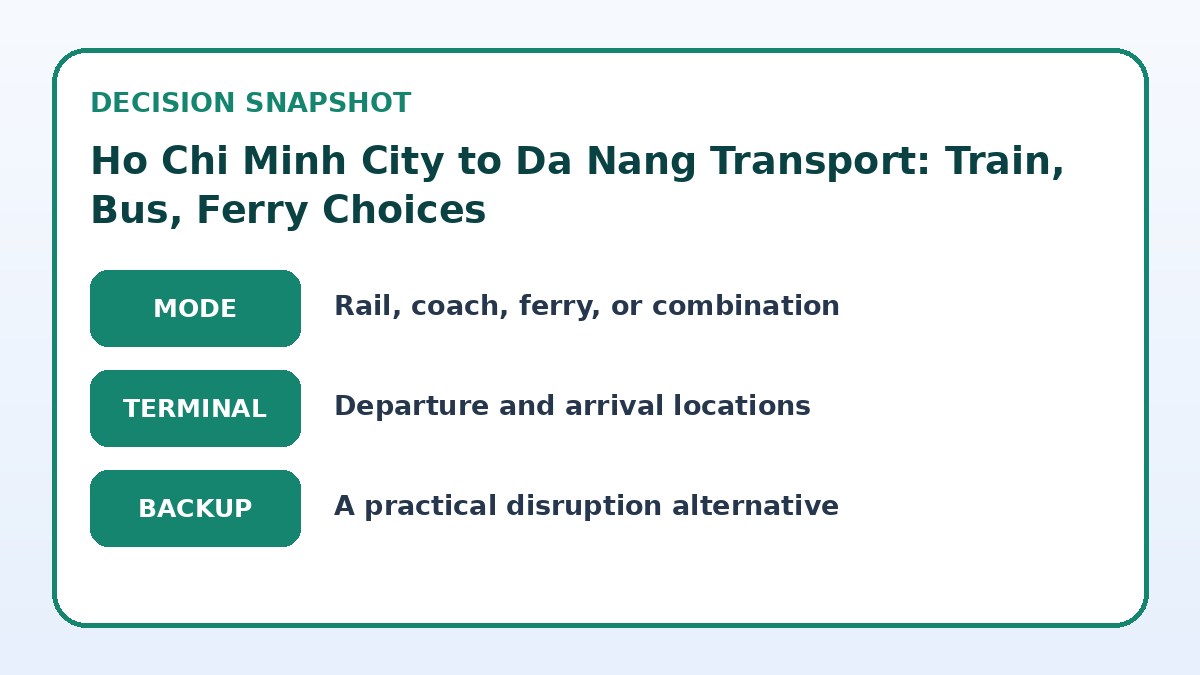
Choose the end-to-end journey plan
| Journey approach | Best for | Friction to check |
|---|---|---|
| Overnight train (single through-rail journey) | Families prioritizing sleep, onboard space, and fewer short transfers | May require central station transfers and consuming an overnight berth instead of a hotel night |
| Direct day coach (single road transfer) | Families wanting simple ticketing and minimal itinerary steps | Traffic variability can make arrival times less predictable and luggage handling less controlled |
| Mixed route with ferry (scenic or coastal option) | Families valuing scenic travel and flexible pacing over speed | Adds ports and transfers; weather and port distance from city centers increase complexity |
| Split journey (train to midpoint, coach or taxi onward) | Families balancing comfort with local stopovers or sightseeing en route | More transfers and separate tickets raise the chance of missed connections |
Check live intercity options
Look beyond the ride itself and compare terminals, transfers, luggage, and arrival fit.
Luggage, transfers and onboard comfort for families
Trains usually allow more space to stretch out, store bulky items, and walk around—useful for toddlers who need moving. When you travel overnight by rail, sleeping berths can replace a night’s accommodation, but you’ll need to consider bedding, privacy, and whether the berths fit two adults plus a child. Coaches are increasingly comfortable, but luggage compartments require loading and unloading that you won’t control; keep essential items and a change of clothes in a daypack. If you use a ferry, check how luggage is carried between terminal and cabin—transfers can involve stairs and outdoor walks.
Think practically about transfers: can you carry the stroller folded? Are there luggage trolleys? How many times will you cross platforms or re-check bags? Minimizing the number of transfers is often the single best way to reduce stress for families. Wherever possible, book options with one boarding, or choose through-tickets that combine segments to reduce the chance you’ll need to reclaim and recheck luggage between connections.
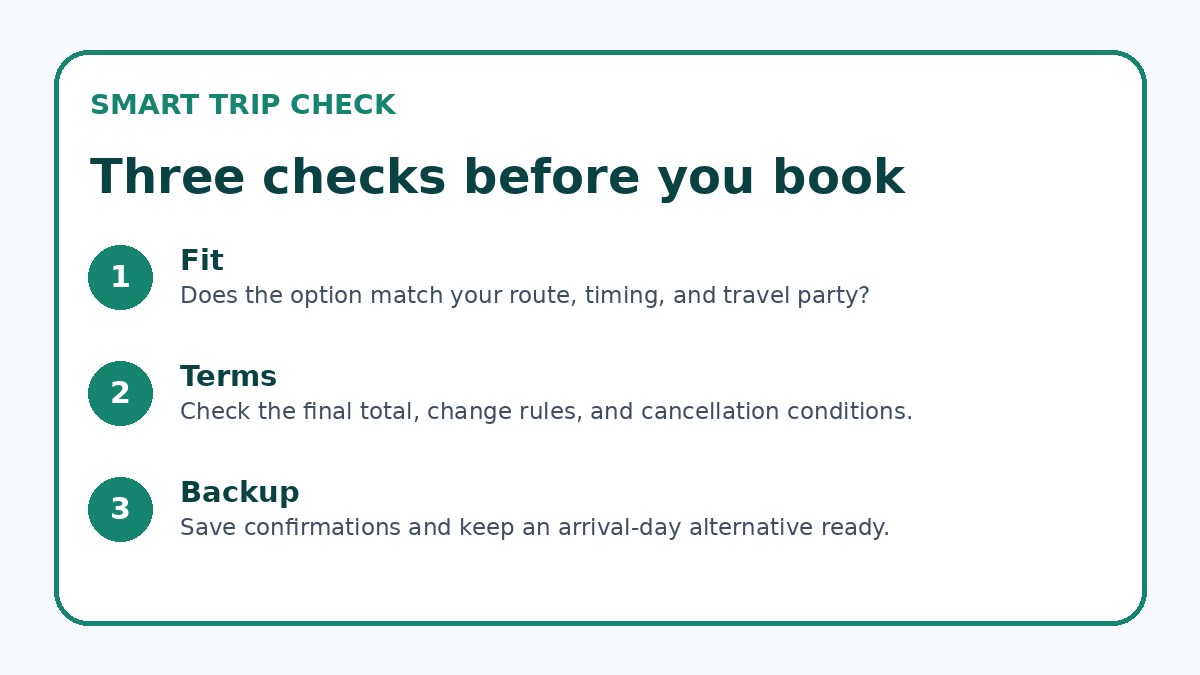
Timing flexibility and rhythm with kids
Families often prefer predictable departure times that let children nap or eat on a regular schedule. Trains tend to have a fixed timetable and offer the most predictable onboard routines; overnight trains can align with bedtime, letting kids sleep while you cover distance. Coaches may be frequent and flexible in timing, but traffic variability can make city arrivals and departures unpredictable—plan buffer time before any onward connections. Ferry legs are susceptible to weather and sea conditions, so allow extra padding when you include them in an itinerary.
Also consider daily routines: if you rely on childcare items, plan how to access them during transfers. Choose departures that fit your family’s sleep and meal schedule rather than forcing a late arrival that leaves everyone overtired. Where possible, build a 1–2 hour buffer for unexpected delays so that missed connections don’t cascade into missed nights at your destination. For families, a slightly slower but more reliable option is often worth the tradeoff.
Compare the practical alternatives
Use the final page to confirm what is actually offered on your dates and save a workable fallback.
Intercity travel checklist
- Confirm exact terminal addresses and taxi/ride-hail pickup points at both origin and destination.
- Measure door-to-door time including transfers and typical traffic for your chosen departure window.
- Pack a delay kit with snacks, spare clothes, chargers, medications, and basic entertainment for each child.
- Verify luggage rules and whether you must reclaim and re-check bags between segments.
- Note on-the-ground contact numbers and short-list nearby hotels for unexpected overnight needs.
- Check provider booking pages for final boarding times, transfer policies, and any family seating options.
Disruption backup: what to prepare before you go
A realistic backup plan prevents a single delay from spoiling the whole trip. Before booking, save contact numbers for alternate operators and nearby hotels, and check cancellation or rebooking rules. If you’re mixing modes—train plus ferry, for example—confirm whether the providers coordinate connections or if you’ll need to buy separate tickets. Keep digital and printed copies of reservations, and know where to find station customer service counters and local taxi points to avoid last-minute confusion with children.
Pack an essentials kit for delays: snacks, wipes, a change of clothes for each child, chargers, medications, and a lightweight blanket. Have a list of easy nearby hotels for unexpected overnight stays and note their approximate distance from major terminals. If you want a single place to compare current availability and conditions before booking, tools like Trip.com can show options—but always verify final boarding times and transfer rules on the provider’s official booking page.
Rail & Intercity Transport questions travelers ask
Is taking the train between Ho Chi Minh City and Da Nang better for families than a coach?
Trains commonly offer more onboard room to move, sleeping berths for overnight comfort, and easier walking space for small children—advantages that suit many families. Coaches can be simpler if you want a single road leg with fewer booking steps. Your choice should factor in where the train station and coach terminal sit relative to your accommodation, whether you need an overnight berth, and how many transfers you’re willing to make. Always check station access and final arrival times before booking.
When does a ferry make sense for this route if I’m traveling with kids?
A ferry is worth considering only if the scenic value and pace suit your family and you accept extra port transfers. Ferries generally involve more walking, outdoor exposure, and potential weather delays—factors that can frustrate young children. Use a ferry when you plan daytime travel with built-in buffers, enjoy coastal scenery, and have simple transfer logistics between port and town. Verify port locations and onward transport connections because being far from city centers can add unexpected time.
How should I plan for disruptions or missed connections during the trip?
Have a disruption checklist: flexible ticketing or clear refund/rebook rules, contact details for alternate services, and a few hotel options near major terminals. Keep essential supplies in a daypack so a delay doesn’t force you to access checked luggage. If segments are on different operators, understand each provider’s policy for missed connections. Pre-saving local taxi numbers and keeping digital plus printed copies of reservations reduces stress when you need to rearrange plans with kids in tow.
Final decision note
For families traveling between Ho Chi Minh City and Da Nang the right choice balances door-to-door practicality with comfort and flexibility. Trains win when onboard space and overnight rest are priorities, while coaches offer simple city-to-city routing with fewer booking steps. Ferry or mixed routes serve families who value scenery and can accept additional transfers. Whatever you choose, verify terminal access, luggage rules, and transfer times on the provider’s booking page before you pay, and prepare a short disruption plan and a packed essentials kit. Those steps keep the trip predictable and let the family enjoy the journey as much as the destination.
Continue planning
Check current options and final conditions
Use the provider page to confirm live availability, the final total, cancellation terms, and every condition that matters to your trip.
This evergreen planning guide was created with AI-assisted drafting and a structured quality review. It does not display live prices, schedules, availability, visa guidance, or provider rankings. Verify current details before booking. Some links are affiliate links; we may earn a commission at no additional cost to you.