If you’re planning a family trip to Sydney and can shift travel dates by a few days or weeks, using flexible dates can dramatically reduce stress and improve value — but only if you compare like for like. Start by lining up the same family composition, exact nights and room types, and consistent airport and activity options before judging a bundled package versus separate bookings. Bundles can simplify logistics and sometimes include kid-friendly perks, but they also lock you into supplier terms that may be less flexible. Conversely, separate bookings let you mix carriers, choose family rooms or adjoining rooms, and keep refund options tailored to each part of the trip. The practical answer: always create a controlled comparison—same travelers, same nights, same inclusions—then weigh cancellations, change fees, and child-specific rules to see which arrangement preserves your cash and sanity.

Test package value fairly
| Booking approach | Best for | Tradeoff to check |
|---|---|---|
| All-in-one package (flight+hotel+transfers) | Families wanting simplified logistics and a single provider for changes. | May lock you into less-flexible terms and include mismatched room or fare levels that hide extra costs. |
| Book flight and hotel separately | Families who want control over carriers, seat selection, and specific room types. | Requires more time coordinating connections and separate cancellation policies to avoid misalignment. |
| Hotel plus local experiences bundled, flight separate | Families prioritizing on-ground convenience and child-friendly activities without flight constraints. | Flight changes can desynchronize included tour dates or transfers, creating extra fees or rescheduling headaches. |
| A la carte bookings for everything (flights, hotel, transfers, attractions) | Experienced planners who want maximum flexibility and tailored amenities for children. | Can be time-consuming to manage and may lose the administrative simplicity a package offers. |
Check current package and separate options
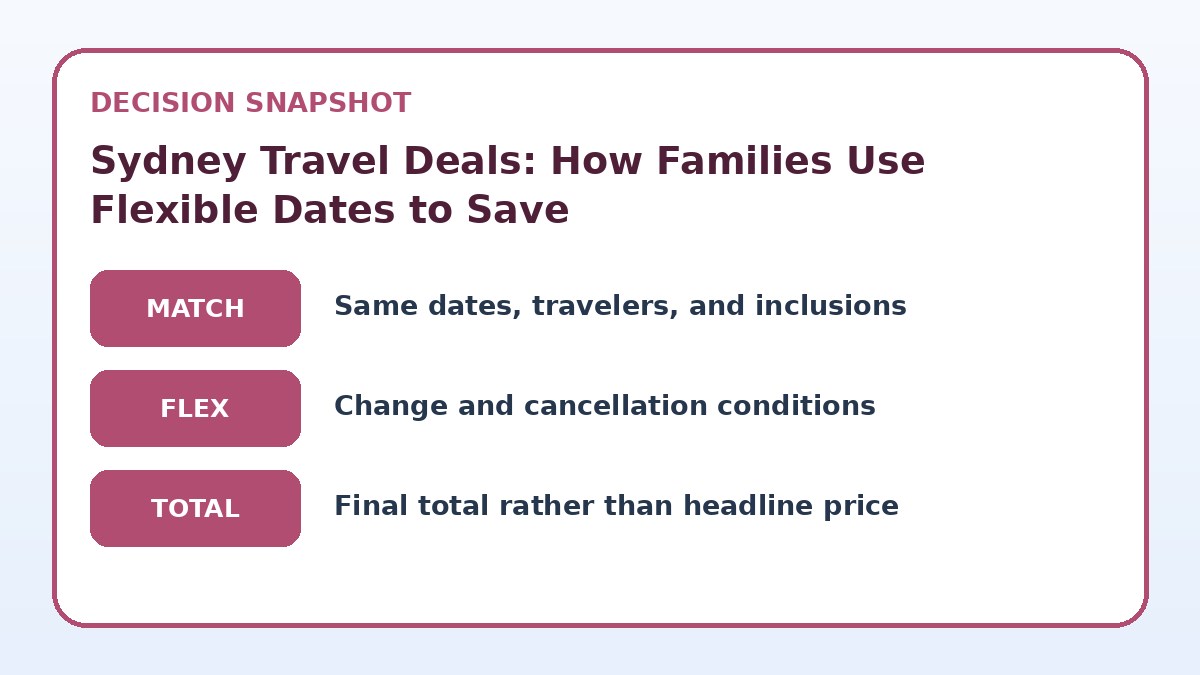
Use identical dates, travelers, room needs, baggage, and flexibility so the comparison stays meaningful.
What to compare before you judge a package
Before you decide whether a bundled package is worth it, pin down four constants: the exact travel dates for arrival and departure, the number of adults and children with ages, the room type or bed configuration you need, and the airport or train choices you’ll accept. Bundles can appear cheaper because they include a lower-tier room, basic economy fares, or attraction vouchers that have restrictions. If those differences aren’t obvious, you may be comparing apples to oranges. Create a side-by-side list of what each option actually includes and exclude add-ons you wouldn’t use; this will reveal whether a package is truly aligned with your family’s needs.
Also compare timing and transfer logistics. For families, late-night arrivals, long layovers, or early check-in denials create hidden costs: extra childcare, taxis, or lost sightseeing time. Note baggage allowances and seating policies for each fare or carrier, and check whether family seating together is guaranteed or merely requested. On the hotel side, confirm whether the quoted rate covers all guests, or if extra-child fees apply at checkout. Verifying these details on the supplier’s final booking page is essential because terms on search screens or summaries can omit child-age rules or surcharge conditions.
Inclusions that matter most for families
When comparing packages and separate bookings, focus on inclusions that affect comfort and cost. For families, essential inclusions are room occupancy limits and bedding configuration, child breakfast or kids-eat-free policies, airport transfers sized for car seats or multiple suitcases, and any attraction passes that save time or money. Some bundles include sightseeing passes or guided tours—confirm whether those tours are suitable for young children and what the cancellation policy is. If a hotel quotes ‘family room’ verify the exact bed setup; sometimes two doubles and a pull-out are very different from a suite with separate bedrooms.
Also evaluate ancillary items that create real convenience: early check-in, late check-out, laundry access, and on-site grocery or kitchenette facilities that reduce dining expenses and fuss. Packages can bundle extras like transfer times and seats on guided trips that are child-friendly, but those advantages only matter if the included time slots and rules match your family rhythm. Always check the final terms for extras: are transfers shared and timed, or private? Is the attraction voucher date-specific, or flexible? Those fine-print details determine whether an ostensibly cheaper package actually fits your family.
Look past the headline total
Compare inclusions and change conditions before deciding whether a package is genuinely useful for this trip.
Deal comparison checklist
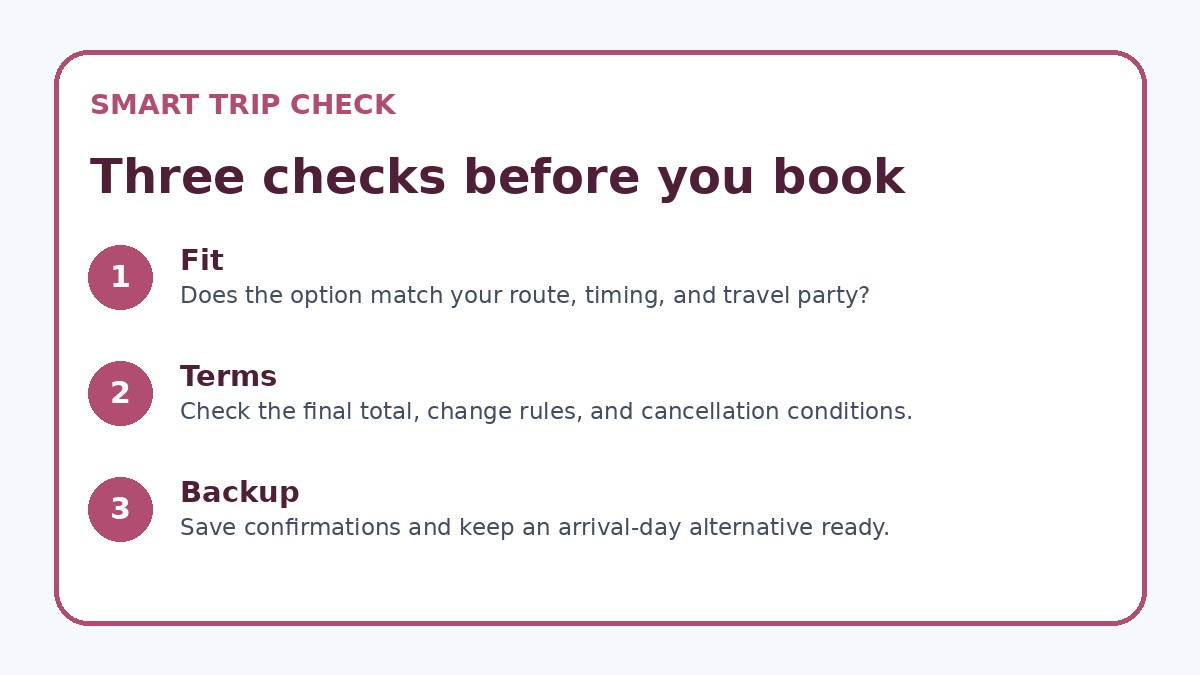
- Match the exact travel dates, number of travelers, and child ages when comparing any package and separate booking.
- Verify room occupancy, bedding configuration, and whether quoted rates include all family members or add child surcharges.
- Confirm baggage allowances, seat assignment rules, and family seating policies on each fare’s final booking page.
- Read cancellation and change terms for every component and calculate worst-case change fees for your family size.
- Check transfer type (private vs shared), timing, and child-seat availability before assuming included transfers fit your schedule.
- Confirm activity vouchers’ date flexibility, child suitability, and whether rescheduling is allowed without full forfeiture.
Flexibility and traveler-specific value
Flexibility is more than a refundable stamp: it’s how easily you can change a date, rearrange flights for a sick child, or swap rooms if your party grows. Families should value refundable or changeable airline fares and hotels with flexible cancellation windows, even at a modest premium. When testing flexible dates, compare the cheapest nonrefundable option with the flexible fare for the same itinerary and then calculate the effective price difference per person, keeping in mind that change fees multiply across travelers. Also check whether bundle change policies apply to the whole package or to individual components; some packages require altering the entire booking, which can be costly.
Traveler-specific value includes amenities that reduce on-trip friction: priority boarding for families, child-friendly airport lounges, stroller storage, on-site babysitting, and pools or play areas. These features can be found in both packages and a la carte bookings; the difference lies in whether they’re included or sold as add-ons. If you need predictable childcare or specific room layouts, separate bookings with direct hotel confirmation may offer better assurance than third-party bundles. Always verify these service commitments on the provider’s final confirmation page to ensure the advertised conveniences are actually reserved for your family.
Final terms: what to verify before you book
The final step is a strict verification of terms. For any package or separate booking, read the cancellation, change, and refund policies line by line. Confirm child-age definitions (some providers treat children under two differently), any mandatory fees on arrival, the exact baggage allowances for each fare, and whether seat assignments are included or extra. When a package shows ‘tickets included’ or ‘transfers included,’ verify whether those are time- or date-specific and whether changes to flights will void the included services. The booking confirmation page is where you’ll see the contract; screenshots are helpful, but the supplier’s final page is the authoritative source.
Also check payment timing and refund windows: does the supplier take a deposit, hold your card for incidentals, or require full prepayment? If you book separate components, check whether changes to one part (for example, a flight time change) will create mismatches with pre-booked tours or transfers. If you’re uncertain after reading terms, contact the provider’s customer service to confirm how they handle family-specific scenarios like delayed arrivals or illness. As an extra comparison resource, you can optionally check Trip.com for current availability and booking conditions, but always rely on the provider’s final page for the contractual details.
Travel Deals & Booking Strategy questions travelers ask
How many days of date flexibility should a family allow when searching for Sydney travel deals?
A practical window is three to seven days on either side of your preferred dates for both arrival and departure; this captures weekday versus weekend price swings and short-term demand spikes. If your family can shift by two weeks, you’ll broaden the search further, but remember to factor in school calendars, local public holidays, and event schedules in Sydney. Always compare options using identical traveler counts and room setups across those date ranges so you’re evaluating true price differences rather than different product mixes.
What’s the simplest way to avoid false savings when a package looks cheaper than separate bookings?
Create a controlled comparison: pick one calendar of dates, the exact number of adults and children (with ages), and the same room type and bed arrangement. Then price an all-in-one package and separately price flight(s), hotel with the chosen room, transfers, and any included attractions. Confirm baggage, seat, and child policies for each line item on the supplier’s final booking page. If the package uses lower fare classes or a different room category, its lower headline price won’t reflect equivalent value.
Are refundable options worth the extra cost for family trips to Sydney?
Refundable or flexible-change options often make sense for families because illness, school needs, or travel disruptions are more likely. Instead of comparing only the base fare, calculate the premium for refundable options across the whole family and decide whether that premium is less than the potential cost of rebooking or cancelling. If a package bundles nonrefundable components, check whether individual pieces can be upgraded to flexible terms and whether the provider will allow partial refunds or date changes without voiding other inclusions.
Final decision note
Flexible dates are a powerful tool for families planning a trip to Sydney, but flexibility alone won’t guarantee the best outcome. The decisive move is a careful, controlled comparison: same dates, same travelers, same room and seat configurations, and identical inclusions. After mapping those constants, weigh flexibility, child-specific conveniences, and the real cost of change or cancellation across options. In many cases, a hybrid approach—separate flights for exact seats with a bundled hotel-and-activity package that confirms room details—delivers practical value. Always verify final terms on the provider’s booking page before committing, and consider refundable options if uncertainty is high.
Continue planning
Check current options and final conditions
Use the provider page to confirm live availability, the final total, cancellation terms, and every condition that matters to your trip.
This evergreen planning guide was created with AI-assisted drafting and a structured quality review. It does not display live prices, schedules, availability, visa guidance, or provider rankings. Verify current details before booking. Some links are affiliate links; we may earn a commission at no additional cost to you.