If you’re planning Singapore to Penang transport with children, the most practical first question is: how flexible do you need the ticket to be? Families often juggle illness, school schedules, and changing plans; that makes refundability, free changes, seat selection, and baggage rules far more important than shaving minutes off journey time. Start by deciding whether you value a refundable fare, generous change allowances, or the cheapest non-refundable option paired with travel insurance. Then compare those features across modes — flights, buses, ferries, and any rail+road combinations — because the balance of cost versus flexibility varies by provider and transport type. Always confirm the final fare conditions, penalties, and exact steps for changes or refunds on the seller’s booking page before you pay.
See current options before you compare the details
Availability and final conditions change. Open Trip.com now or keep reading for the practical comparison.
How to compare ticket flexibility across transport types
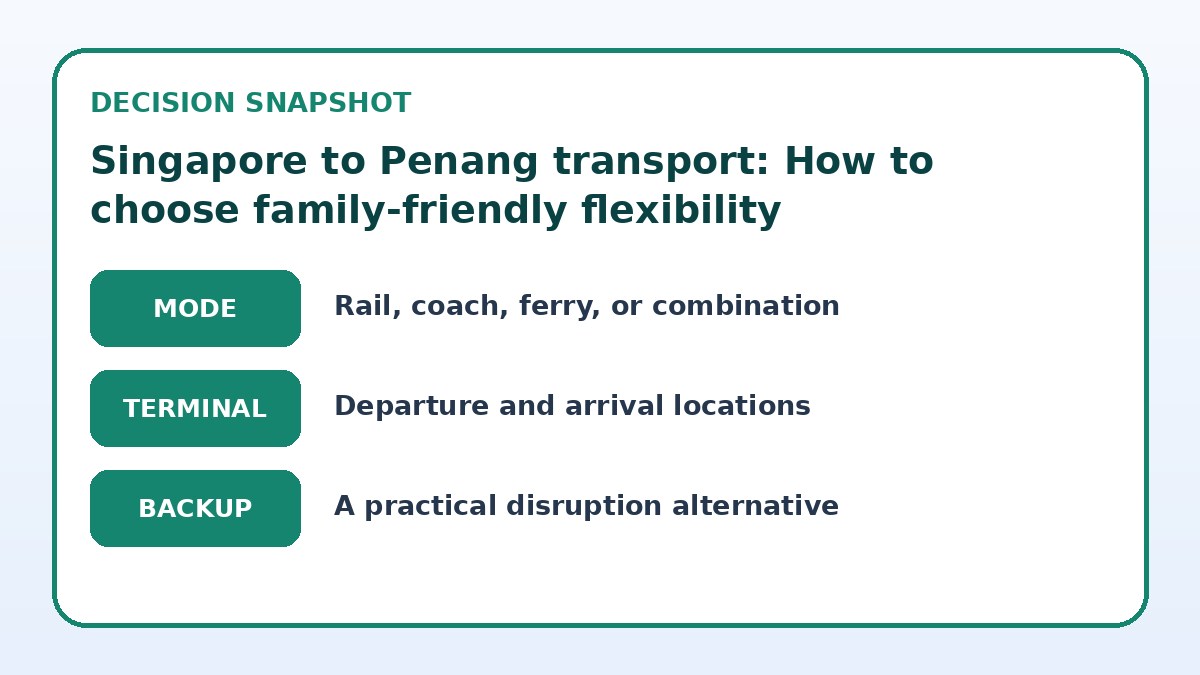
Different transport modes—air, long-distance coach, ferry, and combined rail+road—offer different flexibility patterns. Airlines often publish distinct fare classes with specific rules for refunds, changes, and cancellations; low-cost carriers commonly sell the least flexible fares with add-on options for changes or baggage. Coaches and ferries can be flexible on some routes but may have strict, non-refundable low-price tickets too. For families, the key is to look beyond the headline fare and read the fare rules: what triggers a fee, how much it is, whether changes can be made online or must go through a call centre, and how refunds are handled for partial cancellations.
When comparing options, create a simple matrix with columns for refundability, change fees, seat assignment, baggage policy, and child-specific rules. Factor in practicalities that matter to kids—ability to pick seats together, carry-on allowances for snacks and essentials, and policies for strollers or car seats. If a provider allows free same-day changes or free name corrections, that can be worth a higher fare for peace of mind. Remember to verify every listed condition on the actual booking page because fare rules and penalty amounts can vary by booking channel and time of purchase.
Family-specific clauses to watch in fare rules
Some fare rules include clauses that specifically affect families, such as infant lap policies, child age cutoffs, or family discounts that require proof of age at boarding. Check whether the operator treats infants as free with a lap seat or requires a paid infant ticket, and whether children need a full seat at a reduced price. Also look for policies on travelling with baby equipment—will a stroller be gate-checked free, do you need to declare car seats, or are certain ferry berths unsuitable for strollers? These operational details are commonly buried in provider terms but can change the practical flexibility of a ticket.
Other family-friendly features to confirm are seat adjacency guarantees, priority boarding for families, and the ability to add extra baggage when plans change. If you depend on reserved seats, verify how changes affect seat allocations and whether you’ll be rebooked on comparable seats when a flight or ferry change is made. For combined itineraries, find out who is responsible for re-accommodation if a connection is missed; single-ticket protection matters because it can mean one phone call instead of multiple claims and out-of-pocket expenses.
| Approach | Best for | Tradeoff to check |
|---|---|---|
| Buy refundable/changeable tickets | Families needing last-minute flexibility or travelling with infants and tight schedules | Higher upfront cost but fewer headaches and simpler rebooking |
| Choose non-refundable low fares plus travel insurance | Families with fixed dates and low likelihood of change, seeking lower ticket prices | Lower cost if plans hold, but more paperwork and possible denied claims |
| Single-ticket multi-segment itineraries | Families making connections who want protected transfers under one booking | May limit carrier choices; changes affect entire itinerary and can be more complex |
| Mix-and-match separate tickets | Families prioritising price or route convenience and willing to manage risks | Cheaper or more direct options possible but higher risk if a delay forces rebooking |
Ready to check the option that fits your plan?
Use your exact dates and traveler details so the provider page can show the current total and conditions.

When to pay more for flexibility and when to accept restrictions
Pay more for flexibility when the cost of changing plans would be far higher than the upfront fare difference. Examples include families with infants who might need to return unexpectedly, travellers with work or school commitments that can shift, or multi-leg itineraries where a missed connection cascades into substantial extra expenses. A refundable or changeable fare is effectively an insurance policy that saves time and stress—especially valuable when managing children’s needs and when rebooking under pressure is likely to be costly or complex.
Accept stricter, cheaper tickets when your dates are firm, you have backup plans, and you can mitigate risk with other measures: travel insurance that covers cancellations for specified reasons, flexible accommodation booking policies, or an alternative return option. For short, fixed school holiday trips or when you can confidently predict attendance at events, a non-refundable fare might make sense. Whatever approach you choose, calculate the realistic cost of changing or cancelling and compare it to the premium for flexibility before you commit.
Before you book
- List non-negotiable flexibility needs (refund, free changes, seat adjacency) before searching.
- Compare ticket change and refund rules side-by-side and save screenshots of the booking page.
- Confirm child age definitions, infant policies, and seat allocation rules on the provider’s terms.
- Check baggage, stroller, and car-seat policies and note any required pre-declaration steps.
- Decide whether to buy a single protected itinerary or separate legs and allow contingency time.
- If unclear, request written confirmation from the operator and keep all booking emails for claims.
Practical steps to secure flexible family travel
Before booking, write down the exact change and refund terms you need—free change within a timeframe, childcare-friendly rebooking windows, or refundable within a certain number of days—and use those as filters when searching. If a provider’s website or agent lists fare conditions in shorthand, take screenshots or copy the text into your notes. If you find a fare that appears flexible but the booking page is unclear, contact the provider to get confirmation in writing (email is best) so you can rely on documented terms later if a dispute arises.
When booking, collect all confirmation emails and ensure passenger names, birthdates, and contact details are correct; small errors can complicate later changes. Consider booking through a single supplier when possible to get transfer protection across segments; if you must mix providers, build contingency time and know each vendor’s change/refund process. For price comparisons and live availability, you can check aggregator sites such as Trip.com, but always verify final rules and total cost on the operator’s official booking page.
Frequently asked questions
Should families always buy the most flexible ticket for Singapore to Penang transport?
Not always. Families should weigh the likelihood and cost of changes against the extra fare. Flexible tickets reduce stress and simplify rebooking, which is valuable for infants or when travel dates are uncertain. If your plans are fixed and you have reliable fallback options—such as refundable accommodation, alternative return routes, or travel insurance that covers cancellations—you might opt for a stricter fare to save money. Make the decision by estimating potential change costs and comparing them to the flexibility premium before booking.
How do I verify what counts as a free change or a refund on the provider’s site?
Look for the fare rules or terms and conditions section on the booking page and read the exact wording about changes, cancellation windows, fees, and exceptions. Note whether changes can be made online or require customer service, and whether refunds are credited back to the original payment method or as vouchers. If the wording is ambiguous, use the site’s contact form or phone line to get written confirmation, then save that communication. When comparing options, treat the provider’s final booking page as the authoritative source for penalties and procedures.
Is travel insurance a reliable substitute for ticket flexibility for families?
Travel insurance can cover specific situations like illness or certain emergencies, but it rarely duplicates the convenience of refundable tickets or free changes. Policies differ widely on covered reasons, documentation required, and claim timelines. Insurance may reimburse costs after a cancelled trip, but you’ll often need to make initial rebooking or payment decisions yourself. Before relying on insurance, check what reasons the policy covers, how claims are processed, and whether the insurer reimburses pre-existing condition-related cancellations—then weigh that against the cost of a flexible fare.
Final planning note
Choosing ticket flexibility for Singapore to Penang transport with children is a practical tradeoff between cost and certainty. For unpredictable schedules or when travel disruption would be costly, a refundable or changeable fare is worth the premium because it reduces stress and administrative work. If your dates are fixed and you can manage a contingency plan—through insurance, flexible lodging, or backup return options—then stricter fares can save money. Whatever you pick, verify the exact change and refund terms on the provider’s booking page, confirm family-specific rules, and collect written confirmations so you can act quickly if plans change.
Continue planning
Check current options and final conditions
Use the provider page to confirm live availability, the final total, cancellation terms, and every condition that matters to your trip.
This evergreen planning guide was created with AI-assisted drafting and a structured quality review. It does not display live prices, schedules, availability, visa guidance, or provider rankings. Verify current details before booking. Some links are affiliate links; we may earn a commission at no additional cost to you.