If you and your partner are planning Seoul to Hong Kong travel, the most useful step before booking is to treat change and cancellation rules as primary filters, not afterthoughts. Look at fare families, permitted change windows, fee structures, and refundability for the specific ticket you are selecting; names, codes, and generic fare labels can hide big differences. For couples, coordinated flexibility matters: you might want the option for one person to change dates without forcing the other to cancel or rebook a paired itinerary. Start by comparing fully refundable fares, flexible-change fares with small fees, and non-refundable fares that allow date swaps for a fee. On provider pages verify whether taxes and fare differences apply, what documentation is needed for refunds, and how long credits remain valid.
See current options before you compare the details
Availability and final conditions change. Open Trip.com now or keep reading for the practical comparison.
How to read fare rules for changes and cancellations
Fare rules are the contract that governs what happens when you change or cancel a Seoul to Hong Kong flight. On booking pages find a link labeled fare rules, ticket conditions, or terms and conditions: this document lists permitted changes, time limits, and whether refunds are allowed. Important items include whether changes are permitted up to departure, if same-day changes are allowed, whether a reissue fee applies, and how fare differences are handled. For couples, also look for rules about partial refunds or splitting an itinerary so one traveler can change independently.
Commonly you will see fare 'buckets' or categories—some cheap seats are non-refundable and carry high change fees, while higher fare buckets offer free changes or small fees. Also check how ancillary fees are treated; some airlines will waive change fees but require you to pay the full fare difference, which can still make a change expensive. If the booking site summarizes policies, cross-check that summary with the provider’s full fare rules and the final price breakdown before payment.
Comparing direct and connecting options for couples
Direct flights are simpler for change and cancellation because there is a single carrier and a single set of rules for the whole ticket. If you and your partner value low coordination overhead, a direct Seoul to Hong Kong ticket often makes changes easier: both tickets are usually linked and handled together by the same airline. However, direct flights can be less frequent or more expensive in more flexible fare buckets, and if you need to split the journey (for example, due to preferred times or alliances), connecting itineraries may offer better schedule choices.
Connecting itineraries can mix carriers, meaning separate fare rules for each segment; that raises the risk that a change on one carrier won’t automatically apply to the other, and refunds might need to be sought from different providers. Couples should decide whether synchronized flexibility matters more than lower base fares. If choosing connections, verify interline agreements and whether the booking is ticketed as a single itinerary—single-ticket connections typically provide more protection than separate tickets bought individually.
| Approach | Best for | Tradeoff to check |
|---|---|---|
| Buy refundable or flexible fares | Couples who need maximum flexibility and want straightforward refunds. | Higher upfront cost but fewer headaches if plans change; check exact refund processing time. |
| Choose non-refundable with change fee waiver | Those balancing lower fares with some flexibility for date changes. | May avoid a change fee but still pay significant fare difference or restrictions on credits. |
| Purchase separate tickets on different carriers | Couples prioritizing schedule choice or price over synchronized changes. | More risk: each ticket follows its own rules and coordinated changes are harder. |
| Buy basic fare plus travel insurance | Travellers wanting protection for covered disruptions while keeping lower base fares. | Insurance adds cost and paperwork; it reimburses covered events but won’t change airline rules. |
Ready to check the option that fits your plan?
Use your exact dates and traveler details so the provider page can show the current total and conditions.
When travel insurance or airline credits make sense
Travel insurance can compensate for specific disruptions (medical emergencies, some illness, or trip interruption) but does not replace the airline’s change policy. Read insurance terms closely: most insurers require upgrades, changes, or cancellations to be processed in a particular timeframe and may only reimburse documented, covered reasons. For couples, a policy that covers unexpected medical issues or a partner’s work change can be very practical. Consider whether a policy covers non-refundable costs such as prepaid hotels and whether it allows reimbursement to each traveller separately.
Airline-issued credits are often offered instead of refunds for non-refundable fares. These credits can be useful if you plan to travel again with the same carrier, but they usually have expiry dates, restrictions on fare classes, and sometimes fees to rebook. Couples should note whether credits are tied to a single passenger name or can be used across accounts; some airlines restrict credit use to the original passenger only, which reduces flexibility if one partner cannot travel.
Before you book
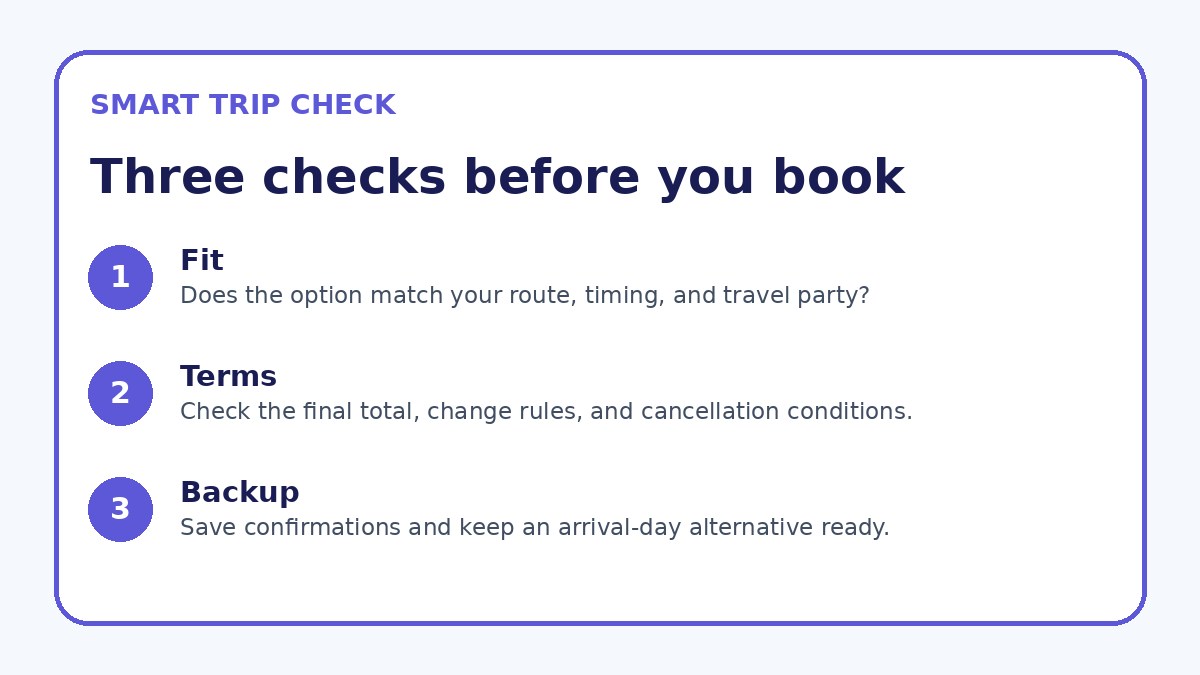
- Open and read the full fare rules link on the carrier’s final booking page before payment.
- Confirm whether change fees, fare differences, or both will apply for each passenger on the itinerary.
- Verify refund processing time and whether refunds are issued to the original payment method or as travel credit.
- Check whether airline credits are transferable, have expiry dates, and can be used under your preferred conditions.
- If booking connections, ensure the itinerary is on a single ticket or ask the carrier about protection for missed connections.
- If using an online agency, compare its change and cancellation support with the airline’s policy and save contact info.
Practical booking tips and what to verify before paying
Before you click purchase, do a final check of several line items: the exact wording of change and cancellation fees, the airline’s processing time for refunds, how credits are issued and their expiry, and whether taxes are refundable. Also confirm the passenger name entry rules and whether minor name corrections are allowed without fee—this can matter if you need to correct typographical errors after booking. For couples, verify seat selection and whether seats are guaranteed together or only assigned at check-in.
If you use an online travel agency or aggregator, compare the agency’s change and refund assistance to booking direct; some agencies offer additional support for changes, while others strictly pass through the airline’s rules. Always open the provider’s final booking page and view the fare rules, cancellation policy, and any baggage or ancillary terms before completing payment. You can optionally check current availability and conditions on Trip.com, but treat the carrier’s booking page as the authoritative source for rules and refunds.
Frequently asked questions
Can one partner change their ticket without affecting the other on the same booking?
It depends on how the ticket was issued. If both passengers are on one PNR (single booking record), changes normally apply per passenger but the airline may require reissuing the whole ticket and charge fees for the affected passenger(s). Some carriers allow changes for only one passenger on a multi-passenger PNR, while others treat the booking as a unit. To minimize risk, ask the airline or travel agent before booking how single-passenger changes are processed and whether it’s better to book separate PNRs if you anticipate independent changes.
If a cheap fare offers a waived change fee, is that as good as being refundable?
Not necessarily. A waived change fee removes or reduces the administrative charge, but you are still likely responsible for any fare difference between the original ticket and the new one. If fares have increased, the total cost to change can be substantial even with no change fee. Refundable fares return money to your original payment method (subject to processing times), while waived-fee non-refundable fares typically result in credits or require payment of higher fare classes when rebooking.
What should couples do if one partner needs to cancel for a covered reason?
First, review the airline’s cancellation and refund rules and your travel insurance policy to confirm coverage conditions and required documentation. If the ticket is refundable, request a refund through the airline and note the processing window. For non-refundable tickets, check if the airline offers medical waivers, credits, or the option to rebook; insurers may reimburse non-refundable costs if the reason is covered. Keep documentation (doctor’s notes, employer letters) and contact both the airline and insurance provider promptly to understand timelines and the forms you must submit.
Final planning note
For couples booking Seoul to Hong Kong flights, choosing the right change and cancellation approach is as important as picking flight times. Prioritize reading the specific fare rules on the carrier’s final booking page and deciding whether you need refundable tickets, waived-fee flexibility, or cost-saving non-refundable options combined with insurance. Consider how you and your partner will handle an unexpected single-passenger change—booking separate PNRs can help but may complicate seat assignments. Use the checklists and comparison points above to weigh upfront cost versus the operational hassle of mid-trip changes, and confirm every policy detail before you pay.
Continue planning
Check current options and final conditions
Use the provider page to confirm live availability, the final total, cancellation terms, and every condition that matters to your trip.
This evergreen planning guide was created with AI-assisted drafting and a structured quality review. It does not display live prices, schedules, availability, visa guidance, or provider rankings. Verify current details before booking. Some links are affiliate links; we may earn a commission at no additional cost to you.