If you must travel from Seoul to Gyeongju on business and you have sizeable luggage, plan around door-to-door convenience, baggage rules and transfer friction. The clearest immediate decision is whether you prioritize speed, simplicity, or cost: high-speed trains can shorten in-vehicle time but may involve station transfers and luggage handling; express buses simplify transfers but can be slower and crowded; private car or shuttle puts luggage in your control but requires extra coordination. Start by listing your luggage (cases, carry-ons, samples, display boxes), where you need to arrive in Gyeongju, and whether you'll need storage between meetings. With those constraints you can compare options on speed, how hands-on you want to be with bags, and what connections or last-mile transfers are acceptable. Below are practical steps, trade-offs, and checklists aimed at business travelers making a booking decision now.
See current options before you compare the details
Availability and final conditions change. Open Trip.com now or keep reading for the practical comparison.
Choose the transport approach by luggage needs
Start by categorizing your luggage: a carry-on and briefcase; one checked suitcase plus a laptop bag; or multiple large suitcases and equipment. For a single checked suitcase, trains and buses are usually manageable if you can lift and stow your bag on racks or luggage areas. For several large or heavy items, consider a private car or dedicated shuttle where the driver loads and unloads. If you have fragile demonstration materials or prototypes, a vehicle that keeps items within sight reduces risk. This initial choice rules out options that will cost you time or stress handling bags mid-journey.
Next, convert that preference into practical searches: look at train routes and whether transfers require stairs, elevators, or long walks between platforms, and check bus terminal layouts for loading zones close to exits. If you plan to switch from train to taxi upon arrival, confirm typical taxi availability near the destination station and whether taxis accept large luggage. When comparing options, add the time you expect to spend loading and unloading; a faster in-vehicle time can be offset by extra handling at stations and terminals.
Trains: speed versus station logistics
Trains often offer the fastest scheduled travel between Seoul and Gyeongju-area stations, which appeals when you have tight meeting schedules. However, speed isn't the whole story when you travel with luggage: some trains have limited dedicated luggage racks, and peak services can crowd aisles, making stowing and retrieving bags cumbersome. Business travelers should review coach layouts and luggage policies offered at booking. Also plan how you'll move between your accommodation and the station—if the station is a distance from your final meeting location, factor in taxi or shuttle time and how that transfer will handle your bags.
When evaluating specific train options, verify platform transfer details and elevator availability at the departure and arrival stations. Check whether reserved seats come with extra storage or if assistance is offered for passengers with oversized items. When a direct train is available, it reduces in-route handling; if a transfer is required, allow generous connection time for luggage. Finally, confirm the provider's baggage restrictions and real-time seat availability on the official booking page or a comparison site such as Trip.com before finalizing.
| Approach | Best for | Tradeoff to check |
|---|---|---|
| High-speed train | Business travelers prioritizing shorter in-vehicle time and reliability | May require handling luggage in busy stations and checking platform transfer logistics |
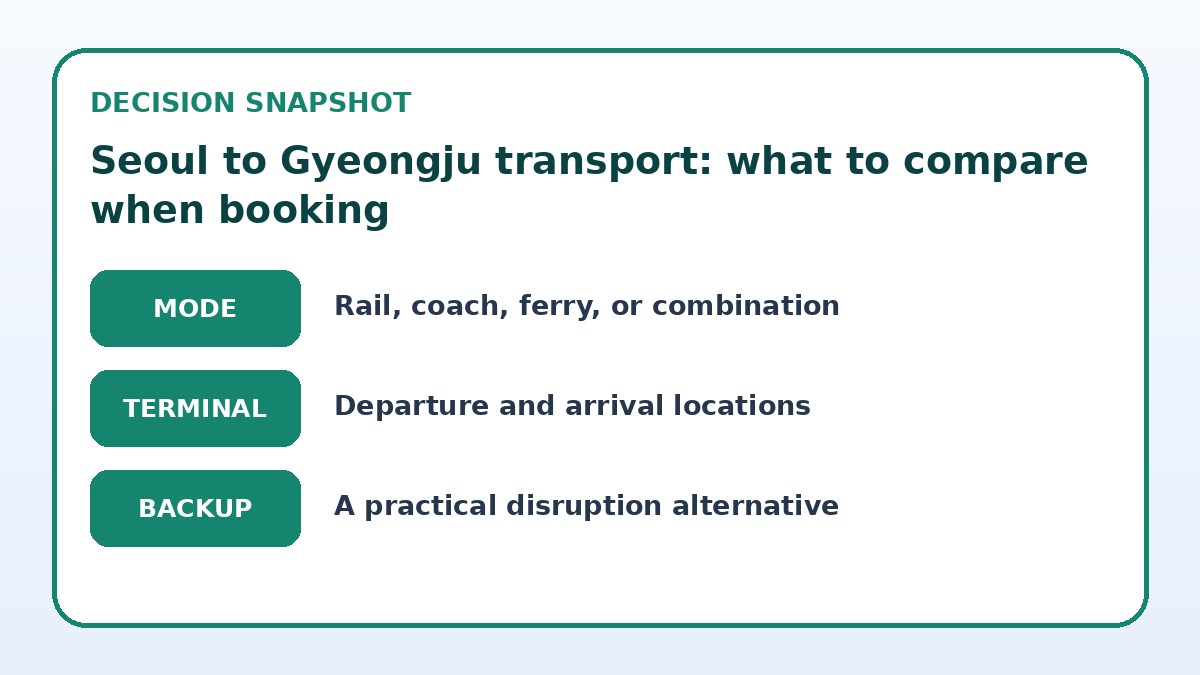
| Express bus or scheduled shuttle | Those who prefer centralized terminal loading and simpler single-vehicle travel | Longer road time and potentially further drop-off distance from final destination |
| Private car or driver | Travelers who need door-to-door service and close control of luggage | Higher coordination required and usually more costly than public options |
| Courier or luggage-forward service | Those who want to travel light and avoid handling bulky or multiple items | Requires lead time, trust in delivery accuracy, and verification of liability terms |
Ready to check the option that fits your plan?
Use your exact dates and traveler details so the provider page can show the current total and conditions.
Express buses and airport-style shuttles
Express buses can be appealing because they typically board and disembark at centralized terminals with ramps and loading areas designed for luggage. For business travelers with multiple suitcases, the convenience of terminal loading and a predictable single-vehicle journey may outweigh longer on-road time. Buses often have underfloor compartments that relieve you from managing bags during travel; however, consider how long it will take to retrieve luggage at arrival and whether buses stop close to business addresses or chain hotels in Gyeongju.
Shuttles that run between major Seoul hubs and Gyeongju may offer a middle ground—door-to-door or hotel-to-hotel options reduce transfers but require booking in advance and clear meeting points. Confirm pickup and drop-off locations, baggage size limits, and whether drivers can assist with heavier items. For high-value or fragile items, verify insurance or liability terms with the operator before committing. If choices exist between bus, shuttle, and train, map total trip time including loading/unloading and last-mile transfers rather than comparing head-to-head travel times alone.
Before you book
- Inventory every bag and valuable item, list dimensions and approximate weight for vehicle or carrier confirmation
- Confirm elevator, escalator, or porter availability at both origin and destination stations or terminals
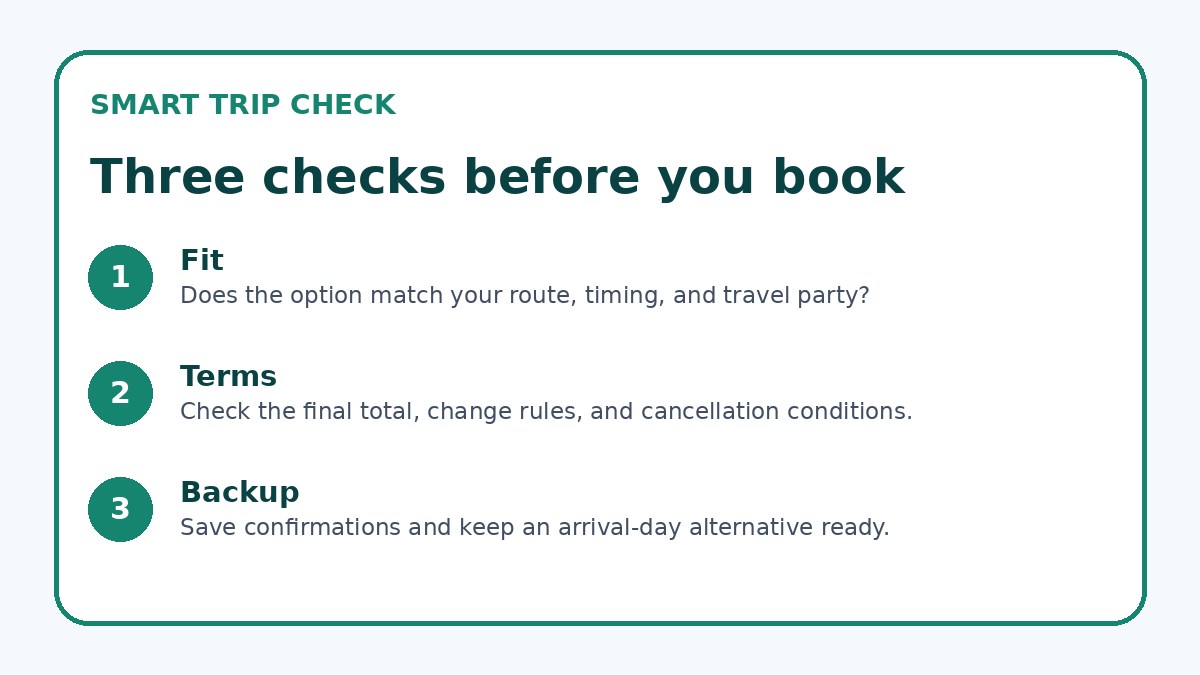
- Check luggage rules and size/weight limits on the official booking page before purchasing tickets
- Allow at least 30–60 minutes extra for loading/unloading and ticket collection when planning tight connections
- Pre-book private car or shuttle with clear pickup/drop-off addresses and vehicle size that matches your luggage count
- If sending luggage ahead, verify pickup timing, delivery window, tracking, and declared liability with the courier
Private car, courier, and luggage-forward strategies
Hiring a private car or arranging a professional driver offers the most control over luggage handling: you load, the driver unloads, and your items stay with you. This option suits tight schedules, multiple stops, or when you must keep items secure and accessible during travel. It also simplifies door-to-door timing and is easier to coordinate if you have early or late meetings outside standard schedules. Make sure pickup and drop-off addresses are precise and communicate the number and size of bags before booking so the provider can supply an appropriate vehicle.
If you want to avoid carrying luggage entirely, consider specialized courier or luggage-forward services that pick up in Seoul and deliver to your hotel or meeting venue in Gyeongju. These services free you to travel light but add complexity: you must allow lead time for collection and delivery windows, and you should confirm tracking, liability terms, and where the courier will leave items if no one is present. For important documents or prototypes, weigh courier timelines and insurance against the certainty and control of transporting items yourself.
Frequently asked questions
Can I bring large suitcases on trains between Seoul and Gyeongju?
Most train services accommodate suitcases, but each operator sets rules about size, weight, and where bags are stored. For reserved seating check whether your seat class includes luggage racks or space between cars. If you have oversized or multiple large items, contact the train operator or station desk to confirm whether assistance is available and to learn about any restrictions. Always verify the current baggage policy on the provider's official booking page before you travel so you avoid surprises at the station.
Is it better to hire a car or use public transport for multiple business stops in Gyeongju?
If your itinerary includes several meetings spread across the city or in nearby sites, a hired car or chauffeur offers the convenience of door-to-door service and direct handling of luggage between stops. Public transport or trains may require taxis at each leg, increasing handling and time. However, weigh the administrative effort of arranging a driver and potential traffic delays against the predictability and cost structure of scheduled services. For assessments and bookings, check provider terms and availability on official booking platforms.
How far in advance should I arrange luggage-forward or courier delivery?
Courier services require lead time to pick up and deliver luggage safely; the exact window depends on the service you choose and their route schedules. For business travel, allow at least a day or two buffer plus any holiday or weekend delays to ensure delivery before critical meetings. Confirm collection and delivery windows, tracking options, and where items will be left if nobody is present at the destination. Always verify the courier's current timelines and liability rules on their booking or service page before handing over items.
Final planning note
For business travel between Seoul and Gyeongju, make luggage the primary variable in your decision: know the size and number of bags, how visible or accessible you need them to be, and whether door-to-door control outweighs cost or booking convenience. Trains work well when speed matters and station logistics are acceptable; buses and shuttles simplify loading but may add road time; private cars maximize control with added coordination; couriers remove luggage handling but require lead time and trust. Before booking, verify baggage rules, vehicle size, pickup/drop-off details, and delivery windows on the provider’s official pages or a comparison site such as Trip.com. With those verifications completed, pick the option that minimizes handling and fits your meeting schedule.
Continue planning
Check current options and final conditions
Use the provider page to confirm live availability, the final total, cancellation terms, and every condition that matters to your trip.
This evergreen planning guide was created with AI-assisted drafting and a structured quality review. It does not display live prices, schedules, availability, visa guidance, or provider rankings. Verify current details before booking. Some links are affiliate links; we may earn a commission at no additional cost to you.