If you and your partner are planning travel between Osaka and Hiroshima, the most helpful decision is which ticket flexibility matches your priorities: firm plans or adaptable days. For couples who value certainty and booked seats, pay attention to reserved-seat options and fully changeable or refundable ticket types. If you want freedom to shift plans—sleep in, linger longer, or change direction—look for open-date or non-reserved carriage options and flexible fare rules. Compare how each ticket treats seat reservations, cancellations, date changes, name changes, group seating, and refunds. Also check whether a regional or national rail pass or a promotional multi-trip ticket affects flexibility differently. Below you’ll find clear tradeoffs, decision criteria for couples with different travel styles, and exactly what to verify on the final booking page before you purchase.
See current options before you compare the details
Availability and final conditions change. Open Trip.com now or keep reading for the practical comparison.
Understand ticket types and what flexibility really means
Ticket sellers typically offer several fare types: reserved seats with fixed dates, non-reserved flexible fares, and passes or multi-ride products. For couples, the distinction that matters most is whether a ticket guarantees two adjacent seats and whether changing the date or cancelling will cost a fee. A reserved-seat ticket often guarantees your seats but applies penalties or restrictions for changes. A non-reserved fare lets you use a later train or change your day without an administrative fee, but it rarely guarantees two seats together on busy services.
Also consider mixed strategies: one partner books a reserved seat for certainty while the other uses a flexible fare to stay adaptable. When a pass is involved, reserved-seat slots sometimes still require a separate booking even though travel is covered—so a pass does not always equal full flexibility. Always read the fare rules for seat assignment, change windows, and refund mechanics so you and your partner choose the right balance of security and freedom.
When guaranteed seating is worth the extra cost for couples
Guaranteed adjacent seats matter most on packed trains, during festival seasons, or when a couple wants privacy, conversation, or to rest together. If your itinerary includes a timed event in Hiroshima or a tight connection, booking reserved seats reduces stress and potential delay. Paying more for guaranteed seating simplifies logistics: you enter the platform knowing both seats are available and you won’t separate on the route. This is often preferable for older travelers, families with luggage, or anyone who values a smooth, predictable journey.
That said, guaranteed seating comes with tradeoffs. Flexible changes are often limited or costly, and fully refundable tickets may charge a premium. Couples who prefer spontaneity should weigh whether the increased cost is justified for a single leg of travel or if a hybrid approach—reserving seats only for the return or peak times—delivers enough assurance without eliminating flexibility.
| Approach | Best for | Tradeoff to check |
|---|---|---|
| Reserved seats (fixed-date fare) | Couples who need guaranteed adjacent seats and predictable schedules | Less flexibility to change dates without fees; may cost more than flexible options |
| Non-reserved / flexible fare | Couples prioritizing spontaneity and low change penalties | No guarantee of sitting together during busy services; risk of standing or splitting |
| Rail passes with optional reservations | Couples traveling multiple legs who want simplified payment and broad flexibility | May still require paid reservations for specific trains; rules vary by pass |
| Hybrid approach (one reserved, one flexible) | Couples balancing certainty for one traveler and adaptability for the other | Doesn’t fully ensure both seats together; more complex booking and coordination |
Ready to check the option that fits your plan?
Use your exact dates and traveler details so the provider page can show the current total and conditions.
When flexibility is the smarter choice for couples
Flexibility is valuable when your plans are open-ended: maybe you’ll linger in Hiroshima’s neighborhoods, or Osaka offers last-minute shows. Flexible, non-reserved tickets let either traveler change the day or board a different service without heavy penalties. For couples who like to follow weather, local advice, or mood, a lower-cost, change-friendly ticket minimizes stress. It also allows one partner to explore longer while the other returns earlier without complicated refund calculations or reissuing seats.
However, flexibility isn’t free of risk. Non-reserved travel can separate you on busy services, and saved funds won’t help if a sold-out train forces a major reroute. If you prioritize staying together on all legs, plan to use flexible fares outside peak windows, travel on off-peak trains, or combine a reserved seat for one partner and a flexible ticket for the other only when crowding is unlikely.
Before you book
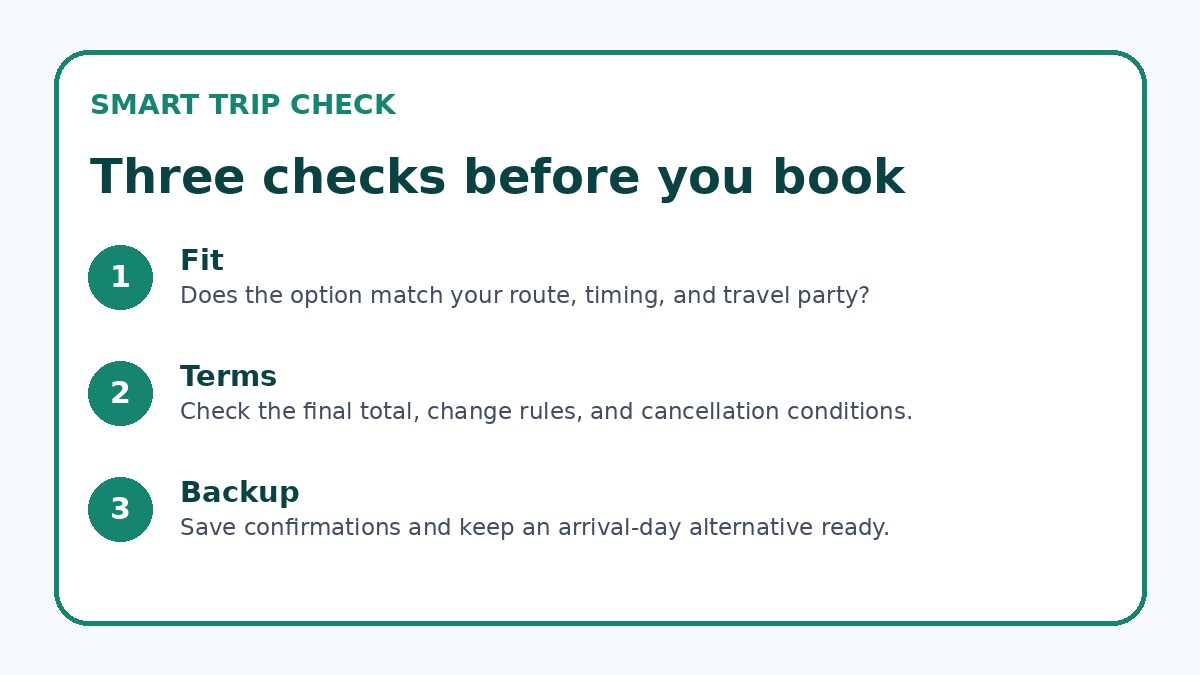
- Confirm whether your selected ticket guarantees two adjacent seats and how seat assignments are handled at purchase.
- Check the exact change and cancellation deadlines and the fee schedule shown on the operator’s final booking page.
- If using a rail pass, verify whether seat reservations are required for any segment and if reservations are free or paid.
- Decide who will make and hold the booking, and ensure both travelers have booking references and confirmation screenshots.
- Compare alternate departure times to avoid peak services where non-reserved tickets are less likely to keep you together.
- If you need to swap travelers or names later, read the name-change policy and required documentation before purchasing.
Practical steps: what to check on the booking page
Before you hit buy, verify these specifics: whether seats are guaranteed together, exact change and cancellation fees by time before departure, whether you need to reserve a seat even with a pass, and whether refunds are processed immediately or as vouchers. Confirm name-change policies if one partner might travel and then swap, and check whether group seating requests are accepted at the time of booking or only at the station. If you use third-party sites, cross-check the provider’s own terms; Trip.com can be used to compare current availability but confirm rules on the operator’s final booking page.
Also inspect small but important details: some tickets allow free changes up to a certain hour, others require cancellation fees plus a reissue cost; some passes cover base fares but not premium seats. If you need wheelchair space, extra luggage allowances, or a specific carriage, check whether those features require advance reservation. Save screenshots of the fare rules and confirmation emails so both partners have the same information while traveling.
Frequently asked questions
Can a couple with one reserved and one flexible ticket usually sit together?
It’s possible but not guaranteed. Reserved tickets secure specific seats; flexible non-reserved tickets allow boarding without a seat assignment. If the train has empty reserved seats, staff sometimes help couples sit together, but during busy services non-reserved passengers may need to take available seats wherever they find them. If sitting together is essential, book two reserved seats or reserve as early as possible. Always check the operator’s seating and reservation policies on the final booking page to understand practical chances of pairing seats.
How do rail passes affect seating flexibility for couples?
Passes simplify fare coverage but don’t always remove the need for seat reservations on certain trains. Many passes permit travel on non-reserved cars without extra charge, while high-speed or limited services may require an advance reservation that can be free or paid depending on the pass. For couples, this means you should check whether the pass includes free seat reservations and how far in advance you can reserve adjacent seats. Confirm the pass operator’s reservation rules on their official site before relying on pass flexibility.
If plans change, which ticket type typically refunds the easiest?
Refund ease depends on fare conditions rather than a single ticket category. Flexible fares and refundable reserved tickets usually offer simpler cancellation and refund processes, sometimes with a small fee, while discounted advance or special fares often have strict no-refund rules. The timing of your cancellation also matters—many operators reduce or waive fees the earlier you cancel. Always inspect the listed refund policy and any time-based penalties on the provider’s final booking page before purchasing to understand your rights.
Final planning note
For couples traveling between Osaka and Hiroshima, the choice between guaranteed seating and flexible fares comes down to your travel style and priorities. If you value sitting together and a stress-free schedule, reserved seats or early reservations make sense. If you prefer the freedom to change plans without heavy penalties, flexible or non-reserved options are better—accepting some risk of separation on busy trains. Consider hybrid strategies, checking pass rules, and verifying the operator’s change and refund conditions on the final booking page. With clear priorities and a quick look at the fare fine print, you can pick the ticket mix that keeps both partners comfortable and the trip enjoyable.
Continue planning
Check current options and final conditions
Use the provider page to confirm live availability, the final total, cancellation terms, and every condition that matters to your trip.
This evergreen planning guide was created with AI-assisted drafting and a structured quality review. It does not display live prices, schedules, availability, visa guidance, or provider rankings. Verify current details before booking. Some links are affiliate links; we may earn a commission at no additional cost to you.