
If you and your partner want New York City travel deals that balance weather, crowds, and cost, plan for the city's shoulder seasons: late spring (April–early June) and early fall (September–October). Those windows usually mean milder weather than winter, fewer tourists than summer, and more hotel and flight inventory than peak months. For couples, shoulder seasons let you prioritize outdoor time in parks and neighborhoods, quieter restaurants and museums, and more choice in hotel room types or dates. Before booking, compare multiple travel dates and accommodation types, check cancellation and change policies, and confirm any special event dates that can spike demand. Use the tradeoffs below to pick the shoulder window that best matches the vibe you want — leafy strolls, outdoor dining, or cultural events — and then verify availability and final terms on airline and hotel pages (you can compare options on Trip.com if you like).
Why shoulder seasons matter for couples
Shoulder seasons are the months between high and low tourist demand; in New York City those typically fall in late spring and early fall. For couples, that transition period often delivers a better blend of temperate weather, shorter lines at major attractions, and more seating availability at desirable restaurants. You’ll find neighborhoods more walkable and less rushed, which makes window-shopping, museum visits, and park picnics feel more like an intimate experience than a checklist of must-see spots.
Planning for a shoulder season also affects logistics. Hotels and flights commonly release more inventory and occasionally more flexible rate types outside peak travel windows — but availability still varies by neighborhood and event calendar. That means you should pin down a few preferred dates and lodging areas, then compare tactical options (weekday vs weekend, neighborhood proximity, cancellation rules) rather than assuming lower demand everywhere in the city.
When late spring fits your trip goals
Late spring is appealing when you want increasing daylight, warmer temperatures, and seasonal outdoor activities that open after winter. Couples who prioritize botanical gardens, rooftop bars, or strolling through neighborhoods like the West Village or Brooklyn’s brownstone areas will enjoy softer crowds than midsummer while still getting comfortable weather for daytime walks and alfresco dining. If spring festivals, outdoor markets, or seasonal exhibits matter to you, check the event calendar before you lock dates; popular weekends can still draw local and regional crowds.
Pricing and service levels in late spring can be a middle ground: not as competitive as the deep off-season, but often more forgiving than peak summer. When searching New York City travel deals, compare flexible rate plans and consider longer weekday stays to reduce nightly costs. Also verify whether rooftop venues or seasonal restaurants open on your planned dates—some establishments operate on limited spring schedules—so check provider pages for hours and reservation rules before paying.
| Approach | Best for | Tradeoff to check |
|---|---|---|
| Book late-spring travel | Couples who want warmer days, blooming parks, and longer daylight hours | Some seasonal venues open later and weekends may have local events that raise demand |
| Book early-fall travel | Couples who prefer cooler evenings, clearer skies, and cultural season reopenings | Early fall can include popular cultural weekends and conventions increasing local demand |
| Prioritize refundable rates | Travelers who value flexibility in case plans change or weather forces rescheduling | Flexible rates are often higher up front and may limit promotional deal availability |
| Prioritize lowest available rate | Couples traveling on a tighter budget who can accept stricter cancellation rules | Lowest fares or nonrefundable hotel rooms increase cost risk if changes become necessary |
When early fall is the better choice
Early fall delivers crisp air, clearer skies, and the first hints of leaf color in many parks — an attractive backdrop for couples seeking scenic walks and early-evening drinks. This period often coincides with cultural seasons restarting: theaters, galleries, and seasonal menus resurface after slower summer rhythms. If you want evenings with cooler temperatures perfect for theater outings or long walks across bridges, early fall often fits better than spring’s variable weather.
However, early fall is also when certain annual events and fashion- or film-related weekends can concentrate demand. For couples, that can mean a lively atmosphere but also occasional spikes in hotel occupancy. To move confidently: shortlist neighborhoods you enjoy, compare multiple nearby hotels for refundable options, and check the event calendar for any conventions, parades, or sports schedules that might affect availability or neighborhood vibe during your dates.
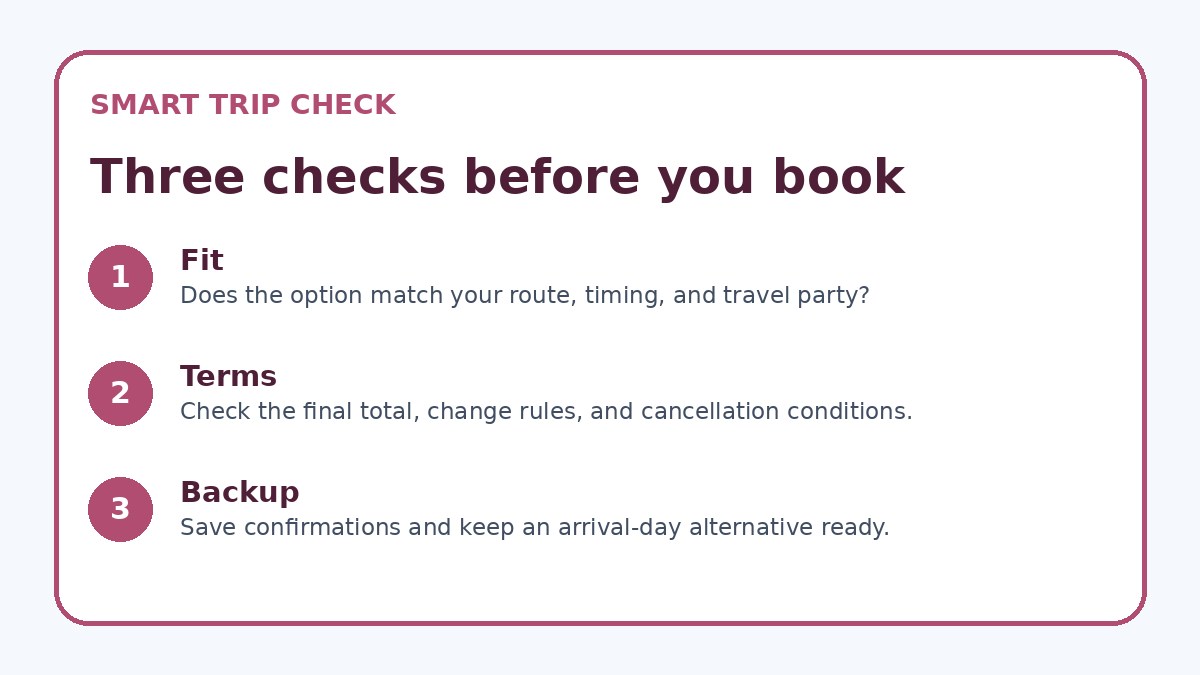
Before you book
- Scan a two- to four-week event calendar for New York City to avoid or target busy weekends before locking travel dates.
- Search flights on flexible-date calendars and compare total travel time, change fees, and refund rules on the airline’s final booking page.
- Compare at least three neighborhoods for lodging to balance transit time with the local atmosphere you want for couples’ activities.
- Select a hotel room with a clear cancellation policy; screenshot or save the provider’s final booking terms and confirmation email.
- Reserve any must-do restaurants, shows, or timed-entry attractions as early as possible and verify each provider’s rebooking/refund policy.
- Pack a simple day-to-night wardrobe suitable for variable temperatures and bring comfortable footwear for long walks and transit connections.
Practical steps to compare deals and protect plans
Start by setting a three- to four-day window around your preferred dates so you can easily compare weekday and weekend pricing or availability. Use two parallel searches: one prioritizing lower nightly rates and another prioritizing flexible cancellation and change terms; weigh which matters more to your travel comfort. When comparing flights, look at both nonstop (if available) and one-stop itineraries, factoring in total door-to-door time, airport transfer logistics, and change fees — verify final fare rules on the airline’s booking page.
For hotels, evaluate location tradeoffs: a central Midtown room reduces commute time to major attractions but may cost more or feel busier; neighborhoods like the Village, Chelsea, or Brooklyn offer more neighborhood character and dining options but can add transit time. Check each hotel’s cancellation policy and whether taxes and fees are included in the displayed rate. If you plan specific activities (Broadway, popular restaurants, special exhibits), reserve them early when possible; confirm refund or rebooking policies on each provider’s page before finalizing bookings.
Frequently asked questions
How much earlier should couples book when targeting shoulder seasons in New York City?
For shoulder seasons you don’t usually need the long lead times of peak summer or major holidays, but booking 4–8 weeks ahead is a practical rule of thumb for couples. That window gives you time to compare midweek and weekend rates, lock flexible hotel options, and secure reservations at desirable restaurants or rotating exhibits. If your dates overlap with a known event or festival, move that timeline earlier; for highly specific room types or suite requests, contact the hotel directly and verify any special rate conditions on the booking page before payment.
Which neighborhoods are best for couples who want quiet walks and good restaurants?
Look for neighborhoods with walkable streets, independent restaurants, and parks rather than pure tourist density. Areas such as the West Village, parts of Brooklyn like Carroll Gardens or Brooklyn Heights, and sections of the Upper West Side are commonly favored by couples. Each offers a different vibe — historic blocks and intimate restaurants, leafy streets and waterfront walks, or museum-adjacent options — so compare transit connections and dinner reservations when choosing. Check hotel proximity to subway lines and pedestrian routes to avoid unnecessary transfers for evening plans.
Can I rely on posted rates I see on deal sites for shoulder-season savings?
Deal sites and aggregators can show good starting points, but always confirm the final terms on the provider’s own booking page before committing. Posted rates might exclude taxes, fees, or change penalties that are only visible during checkout, and special promotions sometimes have restricted inventory or blackout dates. If you want more certainty, look for flexible-rate filters and read cancellation rules thoroughly. You may optionally cross-check live availability on Trip.com, but verify all key terms — total price, cancellation policy, and included amenities — on the airline or hotel’s final confirmation page.
Final planning note
Planning New York City travel deals around shoulder seasons can give couples a stronger balance of weather, intimacy, and choice than peak months or winter. Late spring favors blooming parks and longer days; early fall offers crisp evenings and cultural momentum — your decision should come down to the activities and atmosphere you prioritize. Use flexible booking options when possible, compare a few neighborhoods and date permutations, and lock must-do reservations early to avoid localized demand spikes. Remember to verify cancellation and change rules, taxes, and any event overlaps on provider pages before final payment. With a little intentional timing and a clear checklist, couples can make a shoulder-season visit feel relaxed, romantic, and well planned.
Continue planning
Check current options and final conditions
Use the provider page to confirm live availability, the final total, cancellation terms, and every condition that matters to your trip.
This evergreen planning guide was created with AI-assisted drafting and a structured quality review. It does not display live prices, schedules, availability, visa guidance, or provider rankings. Verify current details before booking. Some links are affiliate links; we may earn a commission at no additional cost to you.