For most families flying from Los Angeles to Honolulu, the practical choice is to favor convenience for very young kids and flexibility for older children or multi-day itineraries. Convenience means fewer connections, predictable departure times, more baggage allowance, and simpler airport logistics; flexibility prioritizes lower change fees, refundable fares, and schedules that let you rearrange without heavy penalties. Start by listing what would ruin your trip (missed connections, late-night arrivals, or strict luggage limits) and what is negotiable (longer travel time, early departures, or a separate fare class). Use that list while comparing nonstop versus connecting options, refundable versus basic economy fares, and departure times that match your child’s sleep schedule. Verify seat assignments, baggage rules, change and cancellation policies, and any family boarding privileges on the airline’s final booking page — these details can swing the decision from stressful to manageable.
Decide which family needs matter most
Start by mapping the family’s non-negotiables: child ages, medical needs, sleep schedules, stroller and car seat requirements, and how much you can tolerate a delayed plan. A return time that disrupts a toddler’s routine may be more costly in comfort than the savings you get from a cheaper connection. Ask whether you need guaranteed adjacent seats, a bassinet, or pre-boarding; these conveniences often aren’t included in the lowest fares and can be worth the extra money for peace of mind.
Next, list the flexible elements: are travel dates changeable? Is a red-eye acceptable? Can grandparents or adult caregivers handle added transit time? If your schedule is fluid, prioritize fares and ticket types that permit free or inexpensive date changes. If not, prioritize nonstop or single-connection itineraries with generous minimum connection times to reduce the chance that a late arrival clouds the return journey.
Compare nonstop and connecting options realistically
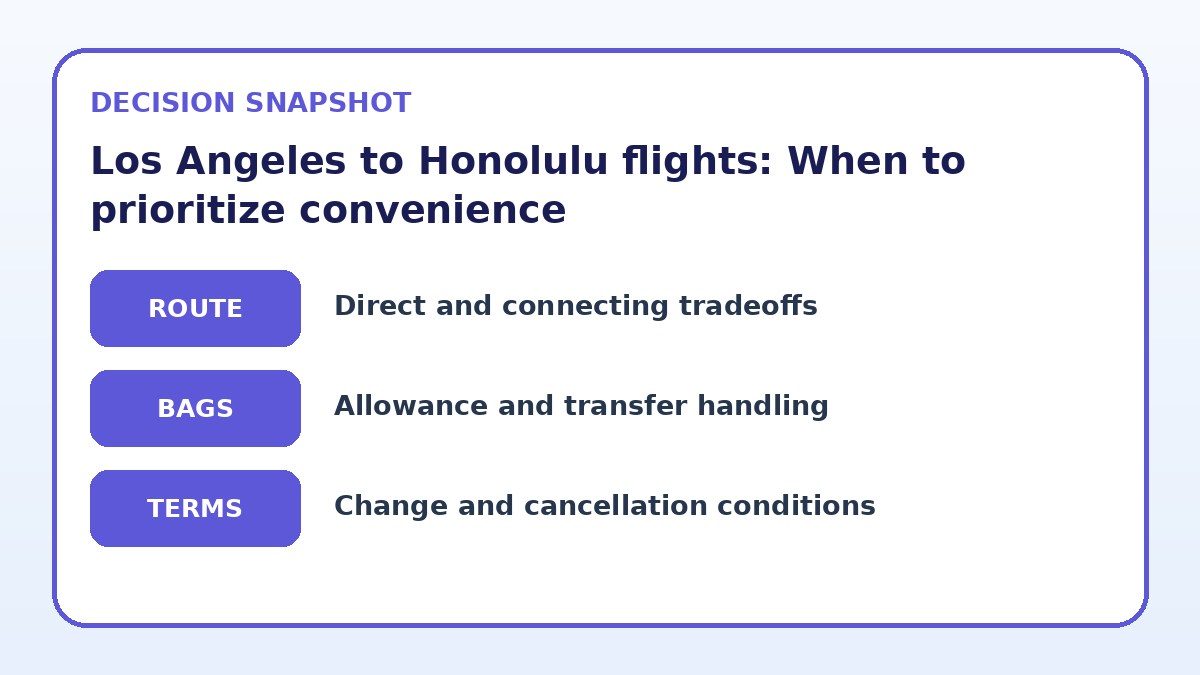
A nonstop flight reduces airport time, connection anxiety, and the chance of lost luggage — all big wins for families. However, nonstops can come at a premium or have fewer flight times. When considering a connection, evaluate the layover airport’s family facilities, the minimum connection time, and whether you’d need to clear security or change terminals. Long layovers can be tolerable if the airport has play areas or easy dining, but short tight connections risk missed flights and frantic gate runs with children.
Also compare total travel time and the schedule’s fit with your children’s routines. A longer daytime itinerary with a comfortable layover may be preferable to a shorter red-eye if it keeps everyone awake and comfortable. If you consider a multi-leg itinerary, build in buffer time for bathroom breaks, stroller folding, and slow-moving lines — those few extra minutes can prevent a missed connection that derails the whole trip.
| Approach | Best for | Tradeoff to check |
|---|---|---|
| Prioritize nonstop and convenience | Families with infants or tight schedules who need minimal airport time and predictable logistics. | Likely higher fare and fewer departure time choices; less flexibility to change dates without fees. |
| Prioritize flexible fares | Families whose dates may shift or who want the option to cancel or move flights with minimal cost. | May require a connecting flight or less convenient times to get flexible ticket terms at a reasonable price. |
| Choose daytime connections | Families who prefer daytime travel to avoid red-eyes and can use layovers to rest and regroup. | Longer door-to-door time and more airport transitions that require planning for meals and activities. |
| Book cheapest basic fare and add extras | Budget-conscious families willing to manage boarding and luggage logistics for savings. | Risk of cramped seating, separate seat assignment, and extra fees for bags or preferred boarding at the gate. |
Weigh fare rules and family conveniences
Beyond base fare, check change and cancellation policies, seat selection rules, baggage allowances, and how infant or child fares are handled. Low-cost fares may restrict seat assignments until check-in and charge for even a small carry-on — inconvenient when you need a car seat or extra gear within reach. If a flexible itinerary matters, choose fare classes that allow free or low-cost date changes and that refund taxes and fees on cancellations; confirm specifics on the airline’s booking page before purchasing.
Pay attention to family-friendly boarding and baggage policies, like whether car seats or strollers are counted as free checked items. Also verify whether the airline offers bulkhead seats with bassinets or extended legroom seats you can buy; these options can be the difference between a manageable flight and a stressful one. Always confirm these benefits directly on the booking page because airline policies and available options change frequently.
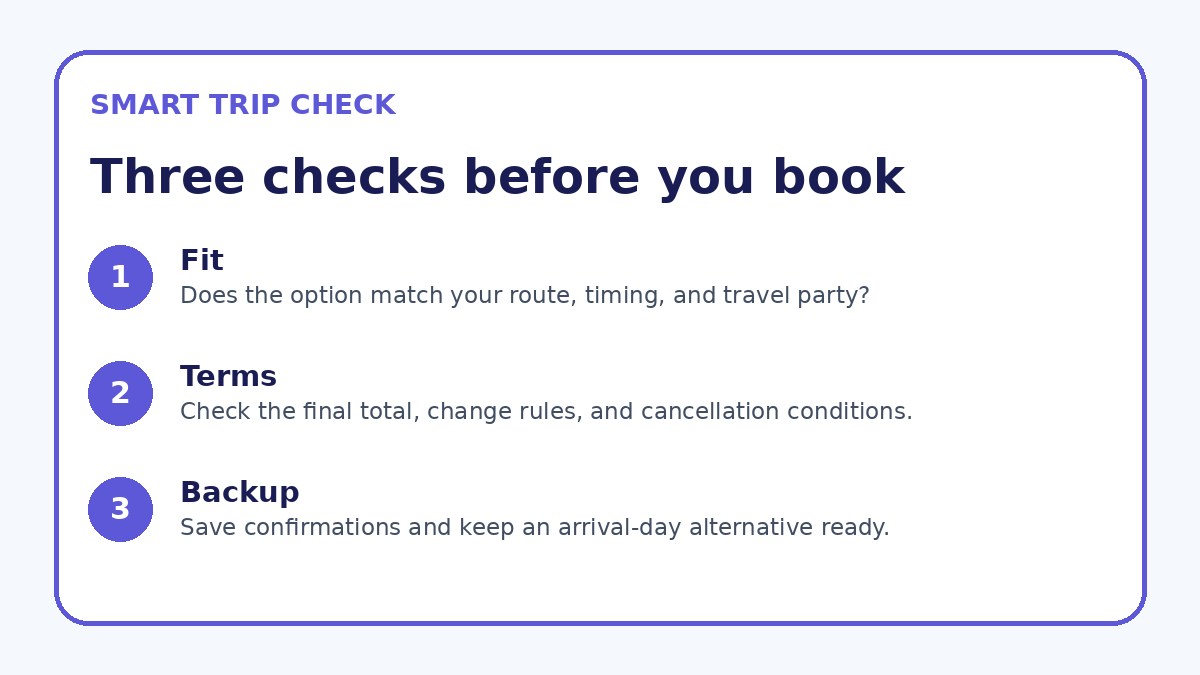
Before you book
- Confirm whether the fare allows seat assignments at booking and select adjacent seats for all family members.
- Verify carry-on and checked baggage allowances and whether strollers or car seats travel free of charge.
- Check change and cancellation rules on the airline’s final booking page, including fees and refundability.
- Compare total door-to-door travel time, factoring in transfer times between terminals or airports in Los Angeles.
- Plan departure times around your children’s sleep and meal schedules to minimize meltdowns in airports.
- If choosing a connection, ensure minimum connection time is comfortable and that the layover airport has family facilities.
Logistics to check just before you book
Before you hit purchase, verify the exact flight times (including local time zones), the number and duration of connections, and which airports you’ll use in Los Angeles and Honolulu. Los Angeles has multiple airports and terminals; a cheaper flight that requires a terminal hop or even a different airport can erase any savings once ground transfers are included. For connections, confirm minimum connection times and whether you must clear security or re-check luggage.
Also review seat maps for contiguous seats, the airline’s carry-on and stroller policies, and how infant fares are applied at checkout. Confirm how changes and cancellations are handled — look for whether you’ll receive travel credits or full refunds, and what fees apply. If you’re comparing options online, Trip.com can be a place to check current availability, but verify all fare rules and seat assignments on the airline’s final booking page before paying.
Frequently asked questions
Is it better to fly nonstop with kids from Los Angeles to Honolulu?
For many families, nonstop flights are easier: fewer transfers, simpler baggage handling, and less time in airports where kids can get restless. Nonstops reduce the risk of missed connections and make it simpler to keep track of car seats and strollers. That said, nonstops can be costlier or have less convenient departure times. If a nonstop leaves late at night or clashes with a child’s sleep routine, a daytime connecting option with a comfortable layover may be a better practical choice despite the extra travel time.
How do I choose between cheaper tickets and flexible fares?
Decide how likely your plans are to change and how much stress a last-minute switch would cause. If dates and plans are fixed and you’re comfortable with assigned seats at check-in, a cheaper nonrefundable fare may be fine. If you anticipate rescheduling or want peace of mind, pay more for a fare that allows free or low-cost changes. Always confirm the airline’s exact change and refund policy on the booking page; labeled ‘flexible’ fares can still have limits and varying conditions.
What family-friendly features should I confirm before booking?
Look for immediate seat selection, whether bulkhead seats or bassinets are available, family or early boarding, and free carriage for strollers and car seats. Check baggage allowances and fees for checked items you’ll need, and whether meal service accommodates children. Also verify minimum connection times, terminal transfer requirements, and whether you’ll need to re-clear security on connections. These details are frequently updated, so confirm them on the airline’s final booking page prior to payment.
Final planning note
Balancing flexibility and convenience on Los Angeles to Honolulu flights comes down to your family’s priorities: minimize airport time and choose nonstops if children’s routines and simplicity matter most; pick flexible fares when dates may change or you need options. Compare not just ticket price but seat assignment policies, baggage rules, boarding privileges, and change/cancellation terms listed on the airline’s booking page. Account for total door-to-door time, terminal logistics in Los Angeles, and layover comfort if you accept connections. With clear priorities and a concise checklist, you can choose the option that keeps travel manageable and makes the Hawaiian leg of your family trip enjoyable from the moment you leave LAX.
Continue planning
Check current options and final conditions
Use the provider page to confirm live availability, the final total, cancellation terms, and every condition that matters to your trip.
This evergreen planning guide was created with AI-assisted drafting and a structured quality review. It does not display live prices, schedules, availability, visa guidance, or provider rankings. Verify current details before booking. Some links are affiliate links; we may earn a commission at no additional cost to you.