Practical answer first: pick your hotel neighbourhood in Hong Kong based on how you want each day to feel—busy sightseeing with quick transit (Tsim Sha Tsui/Central), quieter mornings and space for kids (Kowloon East/New Territories edge), or easy access to theme parks and natural sights (near Tung Chung or Disneyland). Once you choose the neighbourhood type, narrow by transit links, room layout options, and on-site facilities that matter for your family: connecting rooms or suites, on-site dining with child-friendly menus, laundry or kitchenette facilities, and kid-safe spaces. This article helps you weigh daily-route friction, family-room needs, and booking terms so you can confidently shortlist an area and then compare live hotel options on booking sites like Trip.com or the hotel’s official page before confirming.
Check live stays in the areas that fit
Use your dates and party size to compare current rooms after you narrow the neighborhood fit.
Neighborhood fit: match energy and activities to your family
Start by choosing an energy level that fits your family. For families who plan full days of museums, harbour-front walks, and shopping, pack neighborhoods like Tsim Sha Tsui or Central into your shortlist because they concentrate attractions and restaurants within walking distance. If you prefer mornings in parks, quieter afternoons, and easy transfers to nature or theme parks, consider areas like Kowloon Tong, Sai Kung edge, or the Tung Chung corridor on Lantau, which give more breathing room and often larger rooms for the same money.
Think about daily needs beyond tourist attractions. Are naps and downtime crucial? Then a quieter residential area with a small park nearby will reduce meltdowns. Do you plan to return to the hotel between activities? Shorter, simpler transit hops—fewer transfers and minimal walking with a stroller—should weigh heavily. Finally, list any must-visits (Disneyland, Ocean Park, Peak, markets) and map them roughly to candidate neighbourhoods to see which base minimizes repetitive, tiring trips across town.
Choose an area-selection strategy
| Area approach | Best for | Tradeoff to check |
|---|---|---|
| Central/Tsim Sha Tsui core | Families wanting walkable sightseeing and short walks to museums and ferries. | Busier streets, smaller rooms, and more ambient noise compared with residential zones. |
| Kowloon residential edge (Kowloon Tong, Mong Kok nearby) | Families seeking larger rooms and local markets with easier evening rhythms. | May require longer transit to island attractions and some scenic waterfronts. |
| Lantau corridor (Tung Chung/Disneyland area) | Families prioritising theme parks, nature access, and quieter hotel compounds. | Fewer central dining and museum options; more travel time for urban sightseeing. |
| New Territories or Sai Kung edge | Families who want outdoor space, hiking, and a relaxed neighbourhood vibe. | Less immediate MTR access and longer commutes to central Hong Kong sights. |
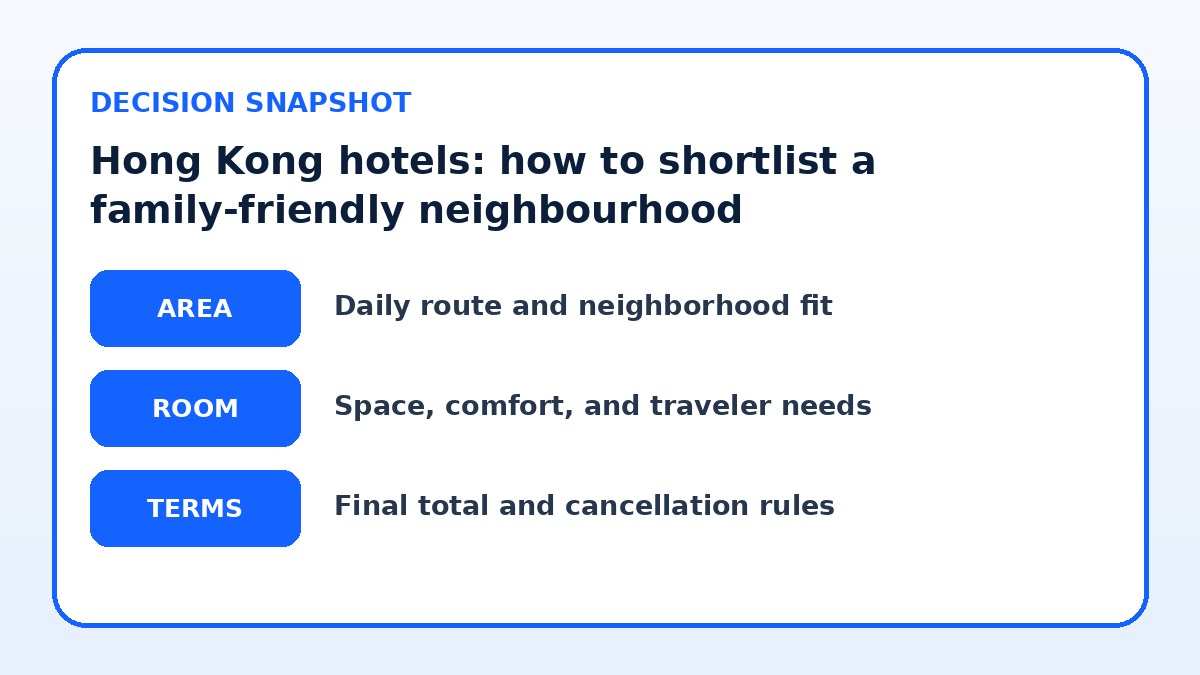
Daily-route friction: transit, transfers, and stroller realities
In Hong Kong, the MTR is efficient but not every station or transfer is stroller-friendly. Minimise friction by choosing a neighbourhood served by an MTR line that goes directly or with one simple transfer to the attractions you’ll visit most. If your family uses a stroller or has mobility concerns, confirm step-free access at the stations you expect to use and check whether the hotel entrance has stairs. Hotels near major interchange stations cut walking and waiting time, but they can be louder and busier.
Consider typical daily loops: morning attraction, lunch, afternoon rest, evening activity. When your kids need a midday rest, a short return trip to the hotel should be easy—aim for under 30 minutes door-to-door if possible. Also account for first/last-mile options: taxis are common in Hong Kong and can be a lifesaver with small children, but some neighbourhoods are more taxi-friendly than others. If you plan day trips to Lantau or the New Territories, weigh proximity to Tung Chung or Kowloon East to reduce transit complexity.
Now compare like with like
Keep the same dates, guests, room needs, and cancellation preferences while you compare the final choices.
Room and party needs: space, sleeping arrangements, and meal planning
Room layout is where many family stays either work smoothly or feel cramped. Decide which sleeping arrangements matter most—two interconnecting rooms, a one-bedroom suite with a living area, or a standard double with rollaway. If you need flexibility for a toddler’s nap and an adult to stay up, interconnecting rooms or a suite with separate sleeping spaces are valuable. Also confirm bedding options and whether cots or rollaways are provided and whether there are extra charges; verify these details on the hotel’s booking page before you pay.
Eating logistics also affect room choice. Families with fussy eaters or late-night schedules appreciate kitchenettes or in-room microwaves for reheating snacks. On-site family-friendly restaurants save time, but don’t assume they’ll have children’s menus—call or check menus in advance. Laundry access can be a deciding factor for longer stays; if the hotel lacks self-service laundry, look for a nearby laundromat or choose a property offering laundry service and check turnaround expectations on the booking page.
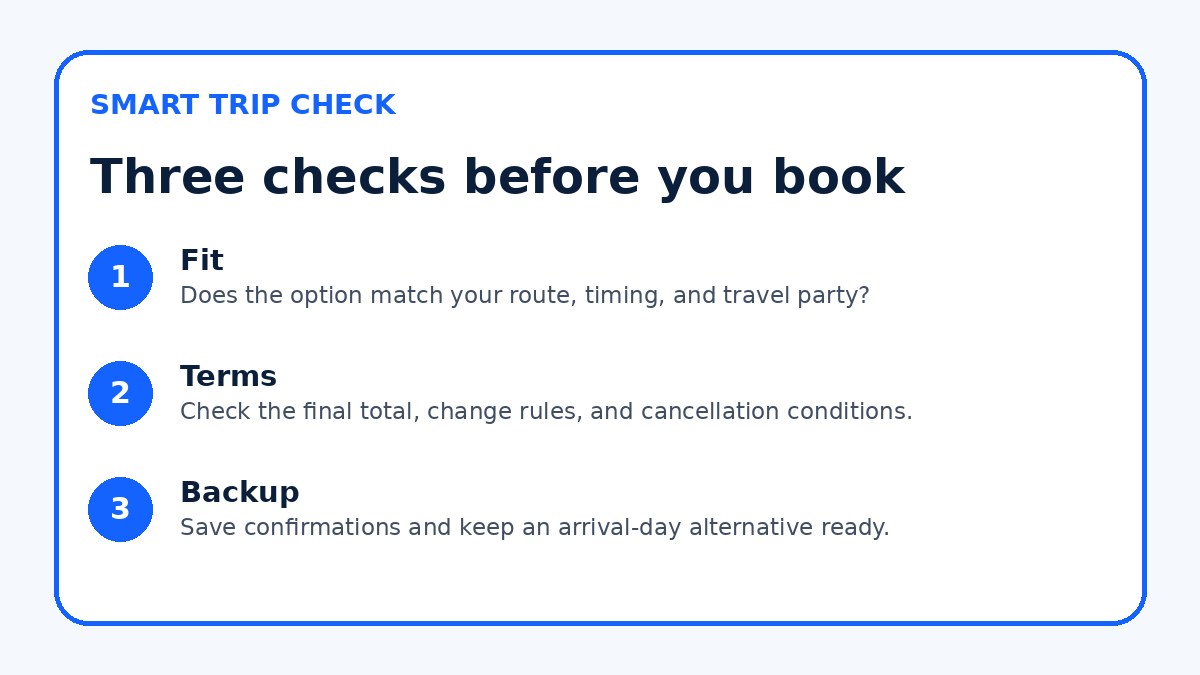
Hotel booking check before payment
- Map your must-see sites and choose the neighbourhood that minimizes the most frequent trips.
- Verify room configurations and request interconnecting rooms or suites in writing if needed.
- Confirm stroller-friendly routes and step-free access for the stations you’ll use most.
- Check the hotel’s child policies, extra-person fees, and cot availability on the final booking page.
- Ask about on-site dining, kitchen facilities, and nearby grocery options for flexible meal planning.
- Save the hotel confirmation and screenshots of cancellation and amendment terms before travel.
Final booking terms: what to verify before you commit
Before you click book, get the facts that affect flexibility and cost. Confirm cancellation and change policies directly on the hotel’s final booking page, including how late you can cancel without penalty. Check the hotel’s stated policy on additional adult and child charges, bedding and cot availability, and whether breakfast is included or available at extra cost. When provider-specific facts could change, note exactly where those policies are listed and keep a screenshot or PDF of the confirmation for reference.
Also verify the arrival logistics that matter to families: check-in and check-out windows, early check-in or late check-out options, luggage-hold policies, and shuttle or parking arrangements if you plan to use a car. If you’ll need accessible rooms or specific amenities, request them in writing and get written confirmation. Finally, compare the hotel’s listing with a live booking platform such as Trip.com to cross-check availability and read up-to-date property notices, but rely on the hotel’s final terms when they differ.
Hotel Guide questions travelers ask
Which Hong Kong neighbourhood balances sightseeing and quieter family mornings?
For a mix of sightseeing and calmer mornings, consider staying in Kowloon near Tsim Sha Tsui but on a quieter street or in residential Kowloon Tong. These areas keep major attractions within reach while offering more apartment-style hotels and parks for morning downtime. Another option is to base on the island side near Admiralty or Wan Chai if you want quick access to ferries and central attractions without being in the busiest tourist blocks. When you pick a specific hotel, check its immediate street context to confirm noise and local green space.
How important is MTR proximity for families with young children?
MTR proximity matters a lot when you want fast, reliable travel across the city, but evaluate transfer complexity and station accessibility too. A hotel next to an interchange reduces travel time but may require more walking or escalator navigation; a single-line station that goes directly to your main attractions can be the most convenient. For toddlers and strollers, check which stations have lifts and how many steps are involved from the station exit to the hotel entrance. If transfers would be frequent and difficult, prioritise a location with simpler routes or easy taxi access.
What room features should families prioritise when booking Hong Kong hotels?
Prioritise space and flexible sleeping arrangements: interconnecting rooms, suites with separate living areas, or rooms that accept a cot are often the most practical. A kitchenette or even a microwave helps with snacks and early breakfasts. Also check for laundry options, in-room safety features, and sound insulation if your children need predictable sleep. Confirm these amenities on the hotel’s booking page and request any special items (cot, extra linen) in writing to avoid surprises at check-in.
Final decision note
Shortlisting the right Hong Kong neighbourhood for your family stay starts with honest answers about your daily pace, transit tolerance, and room needs. Choose the area that minimizes repeated, tiring journeys and offers the room layout and on-site amenities that fit your family routine. Once you’ve narrowed to a neighbourhood type—central for walkable sightseeing, Kowloon for room size and markets, Lantau for theme parks, or the New Territories for outdoor space—compare specific hotels and verify cancellation, child policies, and accessibility details on the hotel’s booking page. With those checks done, you’ll be able to confidently pick a hotel that keeps days simple and enjoyable for everyone.
Continue planning
Check current options and final conditions
Use the provider page to confirm live availability, the final total, cancellation terms, and every condition that matters to your trip.
This evergreen planning guide was created with AI-assisted drafting and a structured quality review. It does not display live prices, schedules, availability, visa guidance, or provider rankings. Verify current details before booking. Some links are affiliate links; we may earn a commission at no additional cost to you.