
If you’re planning Dubai to Auckland flights for a family trip, start by deciding how much schedule flexibility you need versus how much convenience you want. Families often trade longer connections or different departure times for lower stress on travel days: a late-evening departure from Dubai that arrives in Auckland with a daytime connection might let children sleep, while a shorter overall travel time can reduce the fatigue and complexity of childcare in airports. Before buying tickets, list your non-negotiables—maximum single-leg duration, preferred arrival window in Auckland, and how many connections you’ll tolerate—and use those to screen options. This article explains the practical tradeoffs, the decision criteria to prioritize for families, and step-by-step checks to make when comparing routes and fares so you can book confidently.
See current options before you compare the details
Availability and final conditions change. Open Trip.com now or keep reading for the practical comparison.
Set family priorities first
Before you look at fares, make a short list of what will genuinely matter during travel. Include items such as maximum acceptable total travel time, the number of connections you can reasonably manage with children, whether you need guaranteed adjacent seats, and whether a predictable arrival time for settling into Auckland is essential. Discuss these with everyone who will be traveling so you know what tradeoffs are acceptable and what is not—parents often differ on tolerance for red-eye flights, long airport waits, or splitting children across seats if necessary.
Turn your priorities into hard filters when comparing tickets. Filter out itineraries with more connections than you’ll tolerate, eliminate flights that arrive at inconvenient hours, and mark flights with flexible change policies if your family’s schedule is likely to shift. This structured approach keeps you from being swayed only by the lowest fare and ensures the chosen flights match real family needs. Remember that what looks convenient on a schedule grid—like a short connection—may be impractical when you factor in airport layout, immigration, or stroller handling.
Compare direct versus connecting options
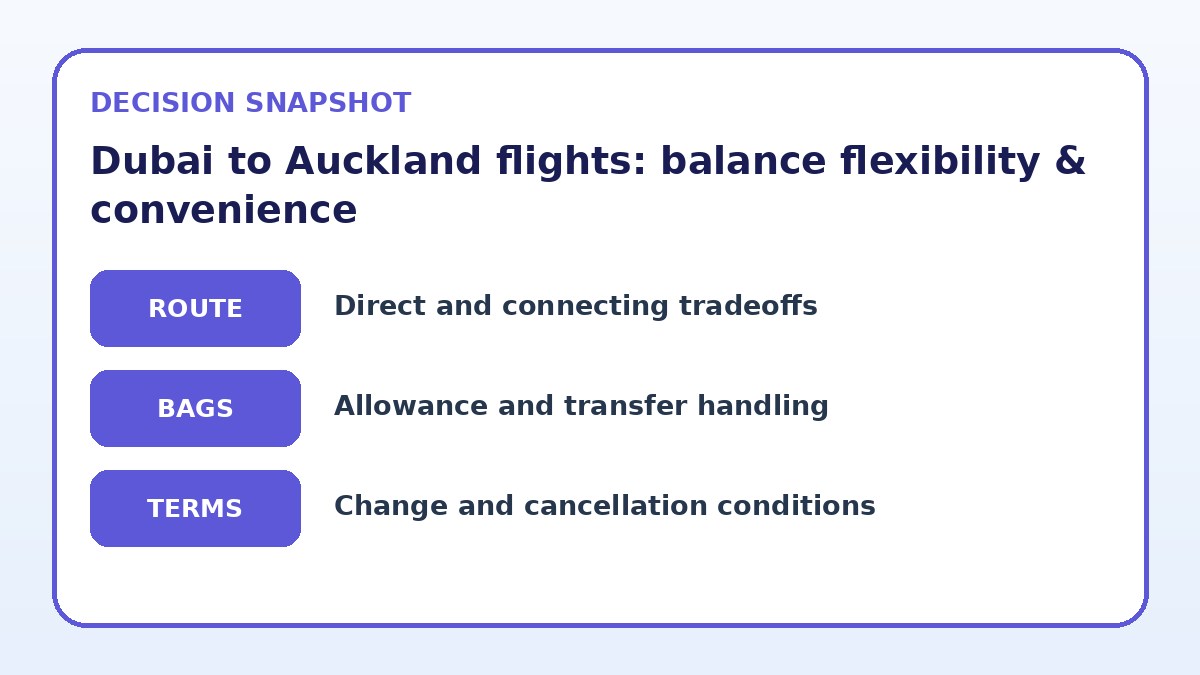
Direct flights (if available) reduce the number of transitions, which lowers the chance of missed connections or lost luggage—benefits that matter a lot with young children. However, direct flights may depart at less desirable times, involve higher fares, or operate on aircraft without family-friendly seating configurations. Connecting itineraries can offer better departure windows, lower headline fares, and the opportunity to split the journey into more manageable segments, but each transfer adds logistical steps: passport control, re-checking bags, moving between terminals, and keeping children entertained between flights.
When assessing connecting options, evaluate the minimum and realistic transfer time, the same-airline or interline baggage handling, and whether the airport provides family services such as stroller-friendly transfers or family lanes through immigration and security. For each potential connection, map out what transferring would actually feel like with kids—a 90-minute transfer in a single terminal might be fine, while a similar time with a terminal change and a bus transfer could be stressful. Don’t forget to check whether changing airlines requires picking up and rechecking bags or a new security screening, as that adds time and complexity.
| Approach | Best for | Tradeoff to check |
|---|---|---|
| Fewer connections, less transit hassle | Families with young children or limited mobility | Often higher fares and fewer schedule options |
| More connections, better departure/arrival times | Families prioritizing preferred departure or arrival windows | More transfers increase complexity and risk of delays |
| Flexible fare with change privileges | Families with uncertain plans or potential disruptions | Typically costs more upfront than restrictive ticket types |
| Cheaper non-flexible fares | Families with fixed, confirmed schedules and tight budgets | High fees or penalties if plans change |
Ready to check the option that fits your plan?
Use your exact dates and traveler details so the provider page can show the current total and conditions.
Weigh schedule flexibility and fare rules
Ticket flexibility can be more valuable than a small fare saving when traveling with a family. Look beyond the ticket price: examine change and cancellation fees, whether rebooked seats are comparable, and if fare differences allow simple upgrades to more comfortable seating. Some fares permit free changes or same-day reroutes for a modest surcharge; others are strictly non-changeable. If your plans are likely to shift—due to school dates, medical needs, or border requirements—prioritizing refundable or change-friendly fares reduces stress and the risk of expensive last-minute changes.
When comparing rules, verify exactly what the booking page states about changes: how many free changes are permitted, whether taxes or fare differences apply, and whether the airline charges a fee per passenger. Also check baggage inclusions—families often need more checked baggage, so an initially cheaper seat with no included bags can become more expensive once baggage fees are added. Finally, remember that fare rules can vary by booking channel and that you should confirm the final terms on the provider’s booking page before purchase; Trip.com is one place to compare current availability and conditions, but always rely on the airline or agency’s final confirmation for exact rules.
Before you book
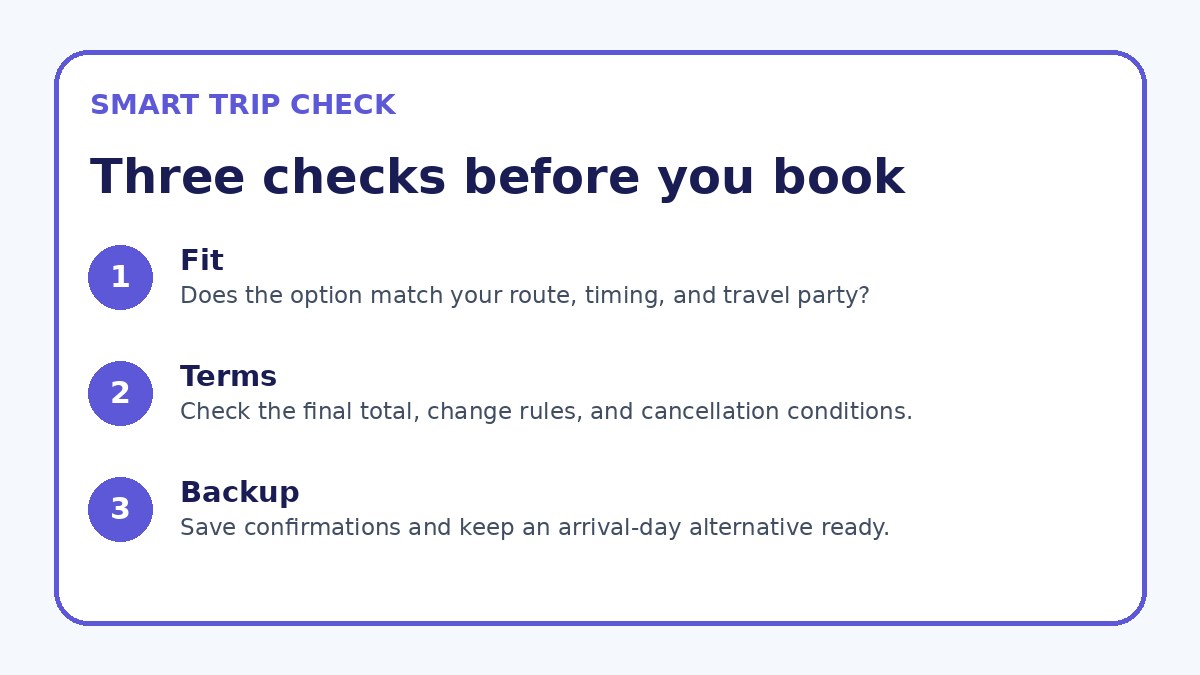
- List non-negotiable family travel needs (max connections, acceptable arrival time, seating together) before searching prices.
- Verify fare rules on the airline or booking-page: change fees, cancellation terms, baggage allowances, and seat-assignment policies.
- Map each candidate itinerary’s transfer steps (terminals, baggage handling, passport control) and estimate real transfer time with children.
- Reserve seats for your family as soon as possible and confirm adjacent seating or bulkhead options where needed.
- Pack a curated carry-on with snacks, medication, chargers, hygiene items, entertainment, and a spare outfit for each child.
- Arrange airport-to-hotel logistics in Auckland beforehand, including child seats for ground transport or any required prebooked transfers.
Practical tips for a smoother family journey
Choose seat assignments early to keep family members together and reduce on-board stress. Consider bulkhead rows for bassinet options if you travel with an infant, or seats near lavatories for toddlers. Pack a small, clearly accessible carry-on with essentials—snacks, a change of clothes, medication, chargers, and calming activities—and keep it with you through transfers. If you expect to gate-check a stroller, check the airline’s stroller size and pickup procedures so you’re prepared on arrival in Auckland.
Plan for arrival logistics in Auckland: consider whether you want pre-booked airport transfer or rental car with appropriate child seats, and check Auckland arrival windows against hotel check-in policies. Allow extra time for immigration and baggage collection when scheduling onward connections or local arrangements. Bring printed and digital copies of crucial documents, including passports, visas, and any medical notes, and verify entry requirements with official sources before travel. Small planning steps at both ends of the route often save disproportionate time and frustration for families.
Frequently asked questions
Should families choose the shortest total travel time or the fewest connections when flying Dubai to Auckland?
There’s no one-size-fits-all answer: the right choice depends on your children’s ages, tolerance for changes, and the family’s priorities. Shorter total travel time reduces fatigue and time in transit, which benefits older children and parents who dislike long layovers. Fewer connections reduce the number of transitions, lower the chance of missed connections, and simplify stroller and baggage handling—advantages that matter more with infants and toddlers. Weigh whether a slightly longer itinerary that includes a restful overnight or a convenient schedule outweighs the stress of extra connections; use your pre-made priorities list to guide the decision.
How much connection time should I allow with small children between flights?
Connection time needs to be realistic rather than minimal. With small children, allow extra margin for slow stroller movement, bathroom and feeding breaks, and unexpected holds at security or immigration. A comfortable transfer often means planning for at least 90–120 minutes in the same terminal and more if you must change terminals, pass through immigration, or recheck luggage. If an itinerary lists a short minimum connection, trace the steps on the ground plan of the airport and factor in queuing and moving between gates. When in doubt, choose the longer transfer to avoid rushed connections with kids.
Can a slightly higher fare be worth it for family travel between Dubai and Auckland?
Yes—paying more up front can save stress and hidden costs later. A higher fare that reduces connections, includes checked baggage, or offers flexible change conditions often prevents expensive last-minute fees, lost travel time, and the logistical hassle of managing kids under pressure. Consider the total cost of the journey, including potential overnight stays, transport between terminals, and added meals or childcare needs during long layovers. For many families, a modest premium for convenience, reliable seating together, or straightforward rebooking rules is a practical investment.
Final planning note
Booking Dubai to Auckland flights for a family is about matching the itinerary to your household’s real tolerance for change and complexity. Start by clarifying priorities—how many connections you’ll accept, ideal departure and arrival windows, and whether ticket flexibility or lower upfront cost matters more. Compare options not only by airborne hours but by realistic transfer steps, airport facilities, and fare rules about changes and baggage. Reserve seats and verify policies on the airline’s final booking page before purchase; you can also use Trip.com or similar platforms to compare options, but always confirm exact terms with the carrier. With pragmatic tradeoffs and a short pre-trip checklist, you’ll reduce stress and arrive in Auckland ready to enjoy your family time.
Continue planning
Check current options and final conditions
Use the provider page to confirm live availability, the final total, cancellation terms, and every condition that matters to your trip.
This evergreen planning guide was created with AI-assisted drafting and a structured quality review. It does not display live prices, schedules, availability, visa guidance, or provider rankings. Verify current details before booking. Some links are affiliate links; we may earn a commission at no additional cost to you.