
If you’re booking Amsterdam travel deals for a family trip, plan around the shoulder seasons: late spring (after tulip crowds) and early autumn. These windows often balance lower crowding, milder weather, and a broader range of accommodations than peak summer. Prioritize flexible dates, family-friendly lodging with kitchen or laundry facilities, and a mix of indoor and outdoor activities so you’re not derailed by a single wet day. Decide first whether you value quieter museums and easier transit or the livelier festivals and extended daylight of high season. That decision shapes when to hunt for flights and rooms, which neighborhoods suit stroller access, and which sights to reserve in advance. Use the booking stage to compare flexible rates and refundable options, and verify the provider’s final page for exact policies, schedules, and any family-specific amenities before you commit.
See current options before you compare the details
Availability and final conditions change. Open Trip.com now or keep reading for the practical comparison.
When shoulder seasons help families save time and stress
Shoulder seasons in Amsterdam often mean fewer tourists than July and August, which can translate into shorter lines at family favorites and smoother travel days. That matters with kids: less queuing, quicker restaurant turns, and more room on trams and ferries. For families who prefer a relaxed pace, shoulder-season mornings let you visit a museum or boat tour with fewer crowds, then spend afternoons at a playground or neighborhood market. These quieter periods also make switching accommodations or adjusting an itinerary easier if a child gets sick or weather changes.
The tradeoff is that some seasonal activities or outdoor festivals run only in peak months, and daytime weather can be more variable. Expect some museums, boat companies, and outdoor attractions to reduce schedules compared with summer, so check opening patterns before planning. For meals, some highly seasonal spots may close or have shorter hours; having a neighborhood grocery or a kitchenette keeps options open. Ultimately, shoulder-season timing is about balancing fewer crowds and calmer logistics against narrower activity windows—good for families who prioritize flexibility and lower-intensity days.
How to compare travel options when searching Amsterdam travel deals
When choosing flights or trains, weigh direct versus connecting trips by total door-to-door time, likely disruptions with kids, and luggage logistics. A longer direct journey may be easier with restless children than a shorter itinerary with tight connections. Look for options with flexible boarding (priority seating, family boarding) or simple transfer procedures. At the booking stage, check baggage rules, minimum connection times, and whether child seats or bassinets are available. Don’t assume routes are direct—confirm the itinerary on the provider’s final booking page and compare the total travel time, including transfers.
If budget matters, search across several departure dates within your shoulder-season window; shifting a day or two often yields different fare classes. Compare refundable and restricted fares: sometimes the small premium for changeability is worth it for family peace of mind. For train travel in Europe, compare seat reservation requirements and family compartments; for flights, compare ancillary costs like seat selection and carry-on allowances. You can use a comparison site such as Trip.com to scan availability, but always verify final seat assignments, cancellation policies, and family services on the operator’s own page before purchase.
| Approach | Best for | Tradeoff to check |
|---|---|---|
| Book earlier in shoulder season | Families needing specific accommodation features and predictable availability | Possibly higher rates than mid-shoulder dates and less flexibility if plans shift |
| Wait to book closer to travel | Flexible families watching short-term deals or last-minute openings | Risk of limited room types or fewer family-friendly options remaining |
| Choose refundable/flexible fares | Families who may need to change dates or cancel due to health or schedules | Higher upfront cost compared with strict, nonrefundable fares |
| Lock in nonrefundable deals with extras | Families confident in travel dates seeking lower base rates plus guarantees like included breakfast | Less adaptability and potential loss of full payment on cancellation |
Ready to check the option that fits your plan?
Use your exact dates and traveler details so the provider page can show the current total and conditions.
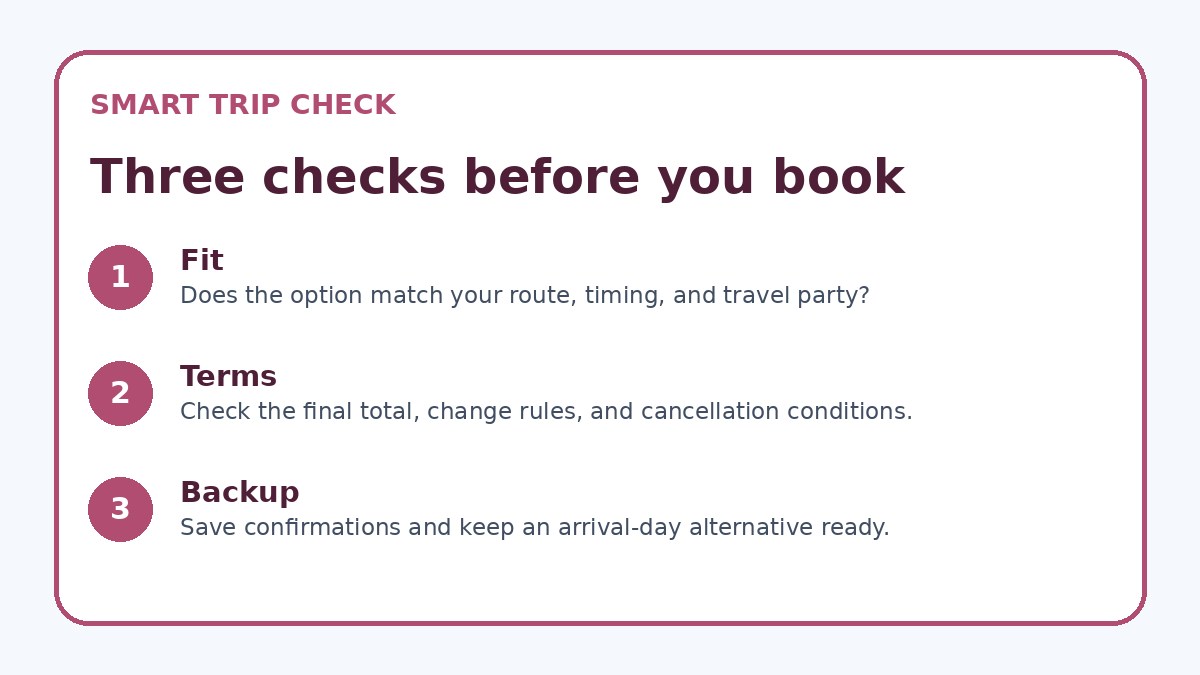
Picking family-friendly neighborhoods and accommodations
Amsterdam’s compact size means neighborhood choice influences daily ease more than longer-distance travel. For families, prioritize neighborhoods with quick tram or bike-share access, nearby parks, or straightforward walking routes to major sights. Look for apartments or family rooms with kitchen access and laundry—these features reduce dining stress and let you handle spills or late-night needs without hunting for restaurants. Check street characteristics: some canalside streets are narrow and cobblestoned, which may complicate strollers; quieter residential streets or areas near larger parks often suit families better.
When comparing listings, verify exact bed configurations, crib availability, and stair access: many older buildings have narrow stairways and elevator limitations. Read the host or hotel notes for child-friendly equipment and ask specifically about room adjacencies if you need separate sleeping spaces. Confirm breakfast options and whether the property offers early arrivals or luggage storage, because arriving with tired children is common. Finally, map out local amenities—pharmacies, grocery stores, playgrounds—so you have quick options during the trip.
Before you book
- Confirm exact cancellation and change policies on the provider’s final booking page before paying.
- Map your chosen accommodation to nearby tram stops, parks, and grocery stores for quick family errands.
- Verify bed setup, crib availability, and stair or elevator access with the host or hotel directly.
- Reserve timed entries for popular indoor attractions if required, and note refund terms for those reservations.
- Pack a small weather kit (light rain layer, foldable umbrella, quick-dry towel) for unpredictable shoulder-season days.
- Book transfers with explicit child-seat options or confirm stroller storage and pickup logistics in writing.
Bookings, reservations, and what to check before finalizing
At the booking stage, verify refund policies, change fees, and the minimum age rules for family rates or child discounts. Don’t assume flexible language—check the provider’s final booking page for exact cancellation windows and whether refunds are processed as credit or cash. For tours and attractions, see whether timed entries or prebooked slots are required; shoulder seasons sometimes retain timed entries for crowd control. If you plan to use public transit passes, confirm activation rules and whether passes start on the day of first use or on a calendar date.
Also check the practical details that make family days easier: luggage drop-off, early check-in options, stroller storage, and late checkout availability. For attractions, note restroom locations and whether there are feeding or changing facilities. Cross-check opening days—some smaller museums and eateries close one weekday—and look for indoor alternatives on days when outdoor options are limited. When booking transfers or rental bikes, confirm child-seat availability and exact pickup/drop-off locations on the final confirmation page before you pay.
Frequently asked questions
Are shoulder seasons in Amsterdam good for families who want outdoor activities?
Yes—shoulder seasons can be ideal for outdoor family time because crowds thin and parks, canalside walks, and bike routes become more pleasant. However, weather is less predictable than high summer, so plan flexible days that pair outdoor activities with nearby indoor alternatives. Check attraction schedules since some seasonal providers reduce hours, and verify whether boat tours or outdoor events operate on your intended dates on the provider’s final page. Bringing layered clothing and a backup indoor plan keeps days enjoyable even if the weather shifts.
How far in advance should a family book flights and accommodation for shoulder-season travel?
There’s no single rule—decisions depend on how specific your needs are. If you require family-sized rooms, kitchen access, or ground-floor units, earlier booking within the shoulder season window reduces the risk of missing those options. If your dates are flexible and you can tolerate some uncertainty, watching fares and availability a few weeks out sometimes uncovers deals. Always compare refundable and nonrefundable options and confirm the exact terms, baggage rules, and seat assignments on the carrier or hotel’s final booking page before committing.
What neighborhood should a family choose to minimize transit time?
Prioritize neighborhoods close to reliable tram or metro lines and near parks or play areas to reduce daily travel. Central areas like those adjacent to major tram routes let you reach several museums and canals by short rides; quieter residential districts near larger parks offer calmer evenings and space for kids to burn energy. Check the actual walking routes—canals and narrow streets can extend walking time—and confirm proximity to grocery stores and pharmacies for quick needs. Use mapping tools to simulate daily itineraries and choose the spot that minimizes transfers and long walks.
Final planning note
Planning Amsterdam travel deals around shoulder seasons is a pragmatic choice for many families: you can reduce crowds and enjoy calmer days while still accessing most city attractions. The key decisions are whether you prioritize quieter mornings and easier transit or the full roster of seasonal events, and how much flexibility you need in fares and accommodations. Compare refundable options against stricter rates, check exact policies on the provider’s booking page, and choose a neighborhood that minimizes transit and maximizes access to parks and essentials. With a few reserves and alternate plans, a shoulder-season trip can deliver relaxed sightseeing, manageable logistics, and family-friendly rhythms without the peak-season push.
Continue planning
Check current options and final conditions
Use the provider page to confirm live availability, the final total, cancellation terms, and every condition that matters to your trip.
This evergreen planning guide was created with AI-assisted drafting and a structured quality review. It does not display live prices, schedules, availability, visa guidance, or provider rankings. Verify current details before booking. Some links are affiliate links; we may earn a commission at no additional cost to you.