If you’re planning a solo trip to Bali, the smart move is to add everything into one running total before you pay — not just the headline flight or room rate. Flights, airport transfers, local transport, visa or arrival fees, luggage charges, travel insurance, and a realistic daily budget for food and activities can more than double the advertised price. For solo travelers the per-person premium for private transfers or single-room occupancy can be significant; shared options or dorms change the math. This article gives a clear order of checks to run, explains tradeoffs for solo budgets versus comfort, and shows how to compare package-style “deals” against building your own itinerary so you can decide where to spend and where to save.
See current options before you compare the details
Availability and final conditions change. Open Trip.com now or keep reading for the practical comparison.
Start with flights: add fees beyond the base fare
When comparing Bali travel deals, don’t stop at the base airfare. Low-cost carriers frequently separate add-ons — seat selection, checked bags, carry-on sizing, and priority boarding — from the headline price. For a solo traveler these fees matter because you can’t spread checked-bag costs across companions. Also compare the convenience versus cost of different routings: a longer connection might be cheaper but could mean an extra night’s accommodation or additional airport meals, so fold those potential costs into the flight comparison.
If an aggregator or airline shows multiple routing options, list the total expected door-to-door time and then estimate any ancillary charges you will definitely need (for example, one checked bag or a preferred seat). When providers offer refundable or flexible fares, note the difference in cancellation or change fees and how that affects your risk. Always check the airline’s final booking page for exact baggage allowances, change penalties, and boarding rules before you commit.
Accommodation choices and the solo traveler premium
Accommodation can be the largest variable in your Bali budget. Rates for private rooms, single-occupancy supplements, or boutique villas will be higher per person than shared dorms or guesthouse double rooms split between friends. For safety and comfort, many solo travelers choose private rooms; if that’s you, compare nightly rates across the same nights and filter for single-occupancy policies. Note whether any properties charge mandatory resort fees, cleaning fees, or local taxes that appear only at checkout on the provider’s final page.
Location matters for both budget and transport costs. Staying farther from tourist centers is often cheaper per night but raises daily transport needs; budget for motorcycle rental, ride-hailing fares, or taxis to reach beaches and sights. If you prefer to spend more time in one place to cut transit costs, compare weekly or monthly rates. Always verify cancellation terms, whether breakfast or airport pickup is included, and what ID or visa information the property requires at check-in.
| Approach | Best for | Tradeoff to check |
|---|---|---|
| Book a bundled package (flight + hotel) | Travelers who want fewer booking steps and a single point of payment | May hide individual fees; harder to compare alternate accommodation or flight upgrades |
| Assemble your own trip piece by piece | Solo travelers who want exact control over each cost and flexibility | Requires more time to compare and verify cancellation terms for each supplier |
| Choose low-cost carriers + local stays | Budget travelers prioritizing lowest headline fares | Ancillary fees and transport tradeoffs can erase initial savings if not tallied |
| Pay more for convenience (private transfers, guided days) | Travelers valuing time, comfort, and reduced planning stress | Higher per-day cost; less opportunity to save by sharing expenses |
Ready to check the option that fits your plan?
Use your exact dates and traveler details so the provider page can show the current total and conditions.
Local transport, transfers, and connectivity
Airport transfer choices significantly affect first-day costs and convenience. A private taxi from the airport is quicker but costs more than shared transfers or ride-hailing pick-ups. For solo travelers arriving late, a fixed private transfer can be worth the peace of mind; if you arrive during daylight, compare the price of a shared shuttle or local ride-hailing to your accommodation. Add expected transfer costs into your booking comparison so they aren’t an afterthought when you land.
Beyond arrival, decide how you’ll move around Bali — scooter rental, day hires with drivers, taxis, or organized tours. Scooter rentals are cheap per day but carry risk and insurance questions; hiring a car with a driver is pricier but reduces navigation stress and can be shared with other solo travelers you meet. Factor in the cost of a local SIM with data so you can use maps and ride apps. Check the final provider page for vehicle insurance, deposit rules, and driver gratuity expectations.
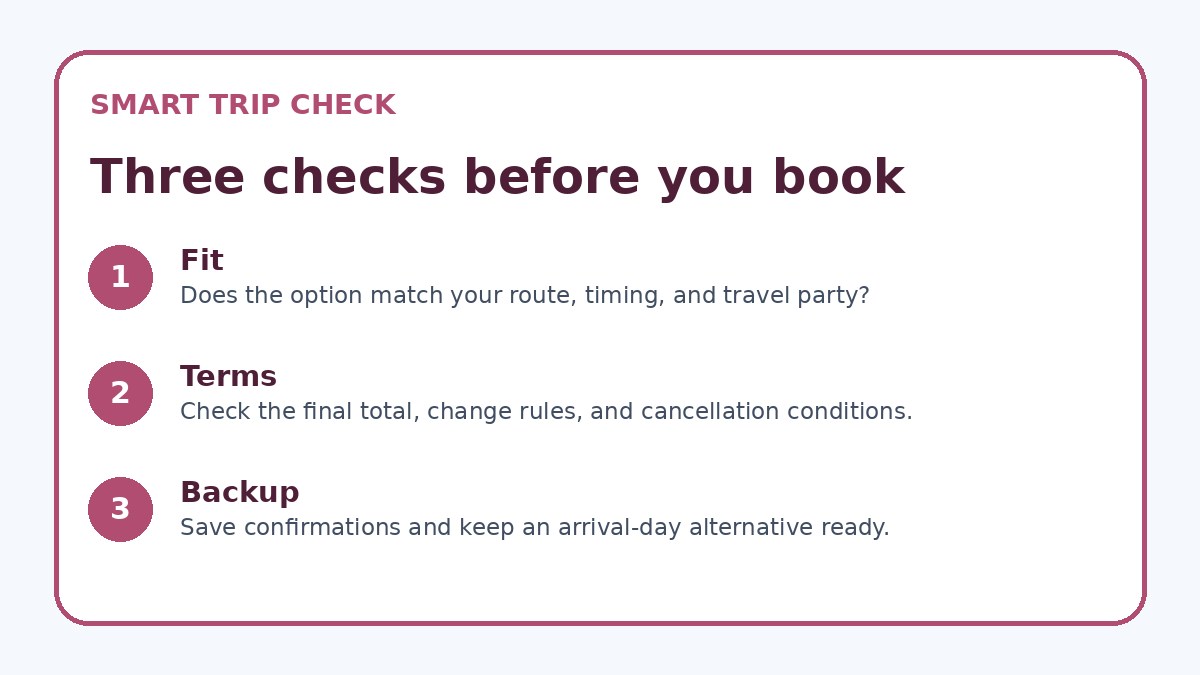
Before you book
- Add flight base fare, expected baggage fees, and likely seat-selection cost into a single flight subtotal.
- Compare nightly room rate plus taxes, cleaning, and any single-occupancy supplements on the property’s final booking page.
- Estimate and include airport transfer and daily transport costs based on arrival time and planned activities.
- Buy travel insurance and verify the policy covers medical evacuation, activity exclusions, and any gear you’ll use.
- Set a daily cash allowance for food, SIM/data, tipping, and incidental purchases and multiply by trip length.
- Confirm cancellation policies, change fees, and required ID/visa info on each provider’s official booking or reservation page.
Tours, activities, and daily spending realism
Activities are where your budget can drift quickly. Excursions often show a per-person price that doesn’t include transfers, equipment rental, or park entry fees. When treating yourself, look for tours that include transport and all equipment; if you prefer à la carte booking, add the missing line items to your per-activity budget. Solo travelers may want to prioritize a few higher-quality experiences instead of many small ones to manage both cost and logistics.
Also plan for daily incidental spending: coffee shops, street food, tipping, laundry, and occasional ride-hailing. Build a buffer into your total trip cost — typically a percentage of the planned budget — to handle unexpected extras like a last-minute night extension or medical supplies. For any activity or provider-specific claim about inclusions, cancellation policy, or meeting points, confirm the details on their official booking page before purchasing.
Frequently asked questions
How do I compare direct and connecting flights when shopping Bali travel deals?
List both direct and connecting options side by side with total elapsed door-to-door time. For each option, add the realistic costs you will incur: baggage charges, seat choices, and potential overnight accommodation for long connections. Multiply the chance of delays or missed connections by any extra night cost to judge risk tolerance. If a connection saves money but forces an overnight, include that hotel cost and any airport transfer for that stopover before deciding. Always verify connection minimums and baggage through-check rules on the airline’s final booking page.
Should I prefer a central but pricier base or a cheaper out-of-town stay?
It depends on your priorities. A central location reduces daily transport time and cost, easing access to restaurants and nightlife—valuable for a solo traveler who wants social options. A cheaper out-of-town stay lowers per-night spend but increases shuttle or ride-hailing expenses and daily travel time. Tally expected daily transport and the value of being near the sights you plan to visit. If you expect to stay in one neighborhood and explore on day trips, a quieter, cheaper base with a few driver hires may be better value.
How can I avoid surprise fees from tours and activities in Bali?
Read the tour inclusions and exclusions carefully before booking: transport, equipment rental, guide gratuities, and entry fees are common add-ons. If an activity description is vague, contact the operator to confirm exact meeting points, what’s supplied, and any optional extras. Add confirmed extras to your overall budget and watch for provider rules about minimum participants or late cancellations. When booking through platforms, check the provider’s final booking page for the full price breakdown and the cancellation policy to avoid last-minute charges.
Final planning note
For solo travelers, checking the full trip cost before booking Bali travel deals avoids unpleasant surprises and keeps your trip decisions aligned with your budget and comfort level. Build a single spreadsheet or note with grouped subtotals for flights, accommodation, transfers, local transport, activities, and daily spending. Compare package offers against a self-built itinerary by adding the same line items to both options so you’re comparing like with like. Verify every provider’s final booking page for exact fees, cancellation terms, and inclusions before you pay. With that total-cost discipline, you can choose the mix of convenience and savings that fits your solo travel style.
Continue planning
Check current options and final conditions
Use the provider page to confirm live availability, the final total, cancellation terms, and every condition that matters to your trip.
This evergreen planning guide was created with AI-assisted drafting and a structured quality review. It does not display live prices, schedules, availability, visa guidance, or provider rankings. Verify current details before booking. Some links are affiliate links; we may earn a commission at no additional cost to you.