If you’re traveling solo between London and Paris and need to pick one option now, choose the Eurostar-style high-speed train (city-center departure to city-center arrival) for the most practical balance of time, simplicity and predictability. Trains usually avoid airport transfers, reduce check-in hassle, and keep you centrally located at both ends — all key for one-person logistics. That said, the “best” option depends on your priorities: strict budget, flexibility with last-minute fares, luggage needs, mobility concerns, or where you’re staying in each city. This guide explains the tradeoffs clearly so you can decide whether a direct high-speed train, low-cost flight, long-distance coach, or self-drive/cab combination is the right solo-traveler choice for your schedule and comfort.
Why city-center trains suit many solo travelers
City-center high-speed trains remove much of the logistics that make solo travel stressful: you avoid long airport commutes, complicated transfers, and arriving far from your first-night accommodation. A single booking commonly covers the seat, boarding, and arrival without extra ground transport purchases. For a solo traveler carrying one or two bags, trains usually provide easy luggage storage, a straightforward boarding process, and the option to work, rest, or sightsee during the journey. If your trip schedule is tight, the predictability of a direct train is a strong advantage.
Think through the parts of your itinerary beyond the intercity leg: how you’ll get from your arrival station to your accommodation, whether you prefer early or late departures, and how much walking or stairs you can manage with luggage. Also check what level of seat selection and flexibility you need — refundable or changeable train fares exist but vary by booking channel. When confirming a train booking, verify the exact station names, luggage rules, and any required identification or boarding windows on the provider’s booking page before paying.
When a flight might be practical for solo travelers
Flights can be competitive if you need to match a very specific time or if a flight itinerary offers a direct city-pair at a convenient hour that trains don’t provide. For solo travelers who prefer short on-board time and don’t mind airport transfers, flying can feel quicker on paper—though you must include the time to reach and depart airports, security checks, and potential delays. Flights also make sense if you’re connecting from or to another long-haul flight where airline schedules align better than train timetables.
Before booking a flight, compare total door-to-door travel time, not just airborne minutes. Verify baggage allowances, carry-on rules, and whether the fare includes seat selection or priority boarding. Confirm which airports are involved and the expected cost and time for transfers into city centers. Because schedules and secondary fees change, read the airline’s booking page carefully and use a comparison site or Trip.com to view current availability and conditions before finalizing your purchase.
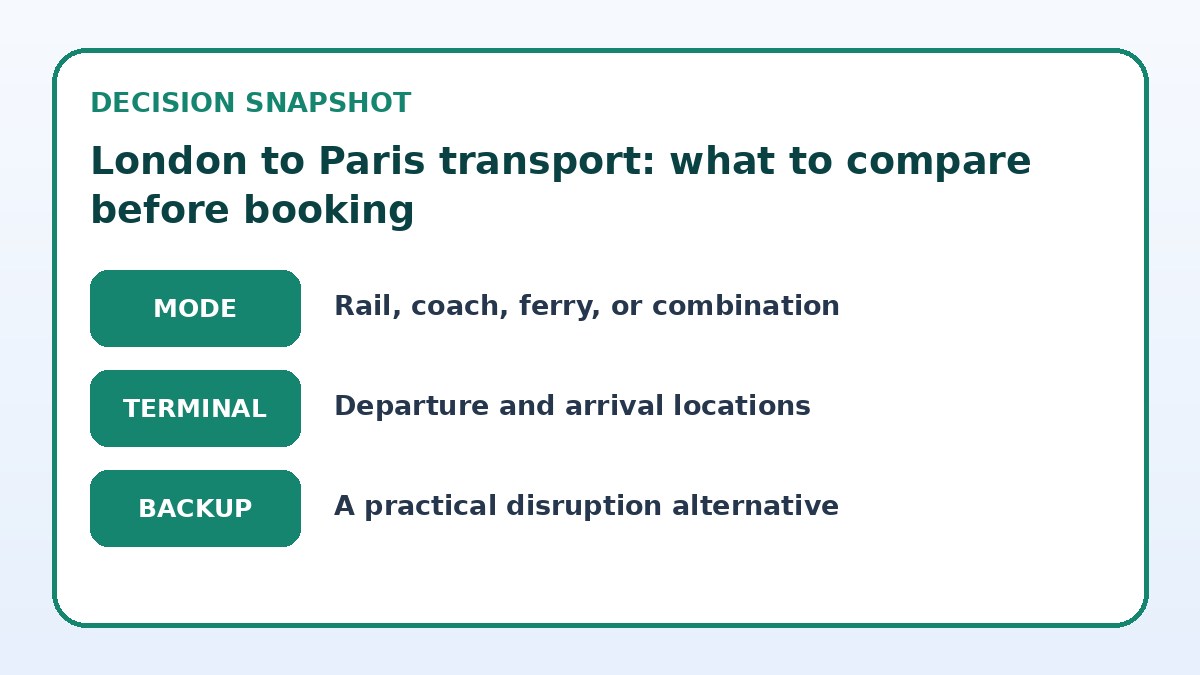
| Approach | Best for | Tradeoff to check |
|---|---|---|
| Direct high-speed train (city center to city center) | Solo travelers valuing simplicity, central access, and predictable travel times. | Often higher upfront fare than the cheapest coach or last-minute flight deals; check seat rules and change policies. |
| Flight (including connecting itineraries) | Travelers needing a specific departure/arrival time or connecting to long-haul flights. | Includes airport transfers, security, and potential delays—compare total door-to-door time and baggage terms. |
| Budget coach or overnight bus | Solo travelers prioritizing low cost and who have flexible schedules and minimal luggage. | Longer journey time, less personal space, and sometimes inconvenient drop-off locations requiring extra transfers. |
| Self-drive or rideshare | Those who want flexibility, scenic stops, or carry bulky gear without transport restrictions. | Adds driving fatigue, parking, tolls, and cross-border rules—more effort and potential extra costs for one person. |
Budget coaches and mixed-mode routes: pros and limits
Long-distance coaches often offer the lowest headline ticket price and can be an excellent option if you’re traveling extremely light, have time to spare, and prefer a simple, cheap ticket. Coaches can serve passengers who are flexible with timing and willing to accept longer journey durations for savings. For solo travelers on a strict budget, a coach ticket booked early can be a sensible tradeoff, provided you’re comfortable with fewer onboard amenities and potentially longer city-center transfer times at each end.
The limitations are practical: coaches may involve late-night arrivals or departures, limited luggage allowances, and less personal space than trains or planes. If you require reliable rest, frequent stops might make sleeping difficult, and connecting buses add complexity. Always confirm luggage allowances, any required seat reservations, and exact pick-up/drop-off locations on the operator’s booking page. Compare total travel time and convenience rather than just the fare, and plan your onward transport from coach stations to your accommodation in advance.
Before you book
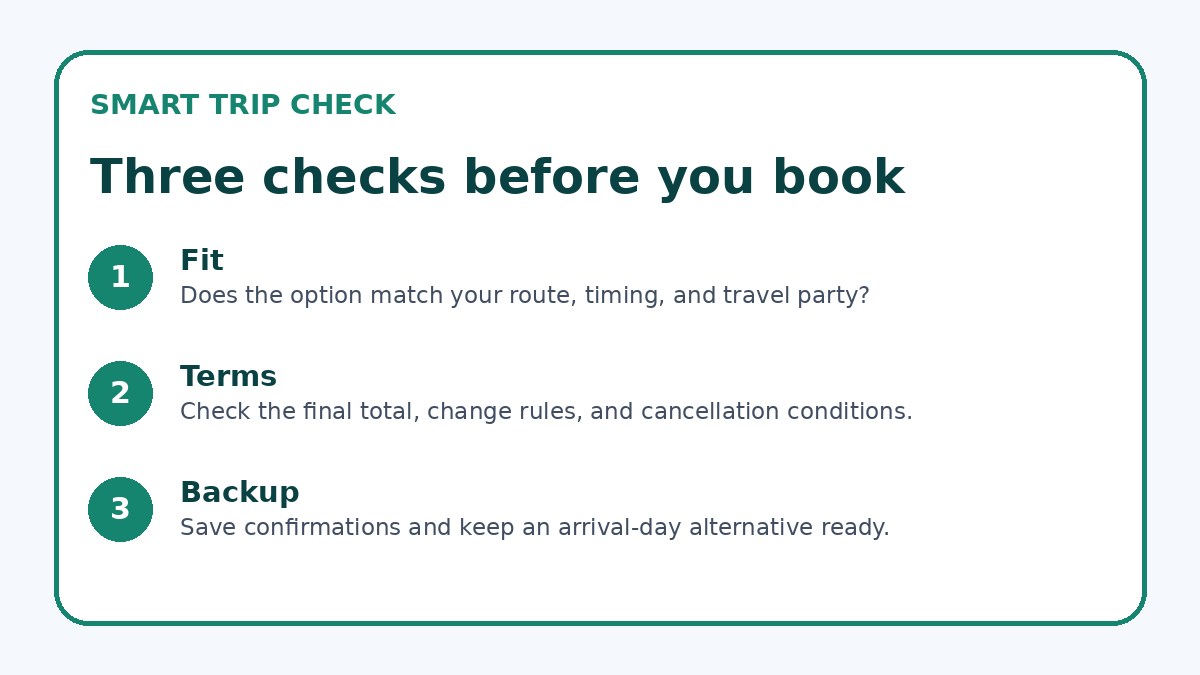
- Confirm whether your preferred option is direct or requires transfers and calculate total door-to-door travel time before booking.
- Check luggage allowances and carry-on rules on the provider’s booking page and factor any extra fees into your decision.
- Verify station or airport names and the cost/time for transfers to your accommodation from arrival points.
- Read the fare terms for changes, cancellations, and refunds so you know your flexibility if plans shift.
- If driving or ridesharing, confirm cross-border rental policies, insurance coverage, and any required permits before reserving.
- Compare multiple booking platforms (including Trip.com if you wish) to see current availability, but verify details on the supplier’s final checkout page.
Driving or rideshares: flexibility versus solo-traveler effort
Driving or using a long-distance rideshare service gives you the greatest itinerary control and the freedom to detour, stop for photos, or carry bulky gear without extra fees. For a solo traveler who enjoys driving and doesn’t mind navigating border crossings, tolls, and parking, this option can be liberating. It also helps if your start or end point is outside main rail or airport hubs and would otherwise require multiple transfers.
However, solo drivers shoulder all the responsibility: navigation, fatigue management, parking logistics, and local driving rules. If you consider renting a car, check cross-border rental policies, fuel rules, insurance coverage, and whether your license is accepted. For rideshares, confirm pickup points and whether the driver will accept luggage and the proposed route. Always verify any required permits, booking cancellations, and insurance details before confirming a rental or rideshare booking on the provider’s page.
Frequently asked questions
Is taking the train between London and Paris safer or more reliable than flying for solo travellers?
Safety and reliability depend on context rather than mode. Trains reduce exposure to airport transfers and lengthy security queues, which can feel simpler when traveling alone. Flights can be more vulnerable to weather or air-traffic delays, and airports add transfer logistics you must manage solo. For perceived reliability, compare on-time records and typical disruption reports from reputable sources for your travel dates, and always build buffer time into tight connections or onward plans.
How should I decide between booking early and waiting for last-minute deals as a solo traveler?
Your decision hinges on flexibility and risk tolerance. If your dates are fixed, booking early locks in a seat and provides time to choose your preferred travel window and seat type. If you’re flexible and willing to accept a later schedule or a less central arrival, last-minute deals can sometimes emerge—though availability is uncertain. For trains and flights, review change and cancellation terms so you can adapt if a better option appears closer to departure.
What luggage and mobility considerations should solo travellers check before choosing a mode?
Assess how much you can comfortably carry between transport hubs and accommodation: stairs, long walks, or cobblestones can make heavy bags taxing. Check each provider’s stated luggage allowances on their booking page, and whether assistance (ramps, lifts, staff help) is available at stations or airports. If you have mobility needs, confirm accessibility services in advance and allow extra time for boarding and transfers. Packing light and using a wheeled carry-on often simplifies intercity travel for solo travelers.
Final planning note
For most solo travelers making a practical, low-stress choice between London and Paris, a direct high-speed train from city center to city center usually offers the best mix of predictability, convenience, and easy access to both cities. Flights make sense when timetables or onward connections demand air travel, while coaches and self-drive options serve specific budget or flexibility needs. Before you book, compare total door-to-door time, luggage rules, transfer costs, and refund/change terms across modes. Use a comparison site like Trip.com to view options if you like, but always verify station or airport names, baggage policies, and fare conditions on the supplier’s official booking page before paying.
Continue planning
Check current options and final conditions
Use the provider page to confirm live availability, the final total, cancellation terms, and every condition that matters to your trip.
This evergreen planning guide was created with AI-assisted drafting and a structured quality review. It does not display live prices, schedules, availability, visa guidance, or provider rankings. Verify current details before booking. Some links are affiliate links; we may earn a commission at no additional cost to you.