Practical answer up front: for most families, choose the flight option that minimizes airport transfers and long wait windows while keeping one flexible ticket or changeable fare for at least one traveler. That usually means prioritizing nonstop or single-connection flights that land at the main airport in Ho Chi Minh City, timed to your family’s sleep and transport rhythms. Flexibility matters—look for fares with easy change or cancellation rules for at least one adult, and balance that against convenience features like direct routes, luggage allowances, and family seating. This article explains the tradeoffs—how to compare direct and connecting itineraries, which timing choices reduce stress on kids, and what to verify on the airline’s final booking page before you commit.
Decide what ‘flexibility’ means for your family
Flexibility can mean different things: the ability to change dates without a big penalty, seats that can be swapped last minute to keep your family together, or having spare time built into an itinerary to absorb delays. Start by listing the scenarios that worry you most—delayed flights, a sick child, or missed connections—and rank them. If changes are likely (for example, traveling during a child’s school break with uncertain plans), prioritize fares that include free or low-cost changes for at least one adult. If you rarely alter plans, you might accept a more restricted fare in exchange for convenience features.
Next, quantify the convenience tradeoffs you’re willing to make. Convenience includes things like nonstop routing to avoid an extra airport transfer, later check-in times that match naps, and straightforward ground transport at both ends. Families with strollers, car seats, or lots of baggage typically benefit from direct flights or at least single-connection itineraries with long minimum connection times. If convenience is top priority, look for tickets that minimize touchpoints—fewer flights, one airport to navigate, and reasonable baggage allowances included.
Comparing direct and connecting itineraries
Direct flights are the simplest option: fewer moving parts, less chance of missing a connection, and usually faster overall travel time. For families, that simplicity often translates to less stress at the airport and fewer opportunities for small hiccups to become big problems. If a nonstop option departs and arrives at family-friendly times—mid-morning or early evening to align with naps or bedtimes—it’s frequently worth paying a small premium for the convenience. Remember, what looks like a nonstop on a search results page might involve aircraft changes or overnight stops on some itineraries, so verify the number of flight segments before booking.
Connecting itineraries can offer better timing or lower out-of-pocket cost but introduce tradeoffs: layover stress, the need to manage kids and carry-on items between gates, and a higher chance of delays affecting your trip. If you consider a connection, pick a schedule with realistic minimum connection time and a single terminal transfer if possible. Also check whether the carrier protects your connection under one ticket; if each leg is booked separately, you bear full responsibility for missed connections. Always confirm connection details on the airline’s final booking page.
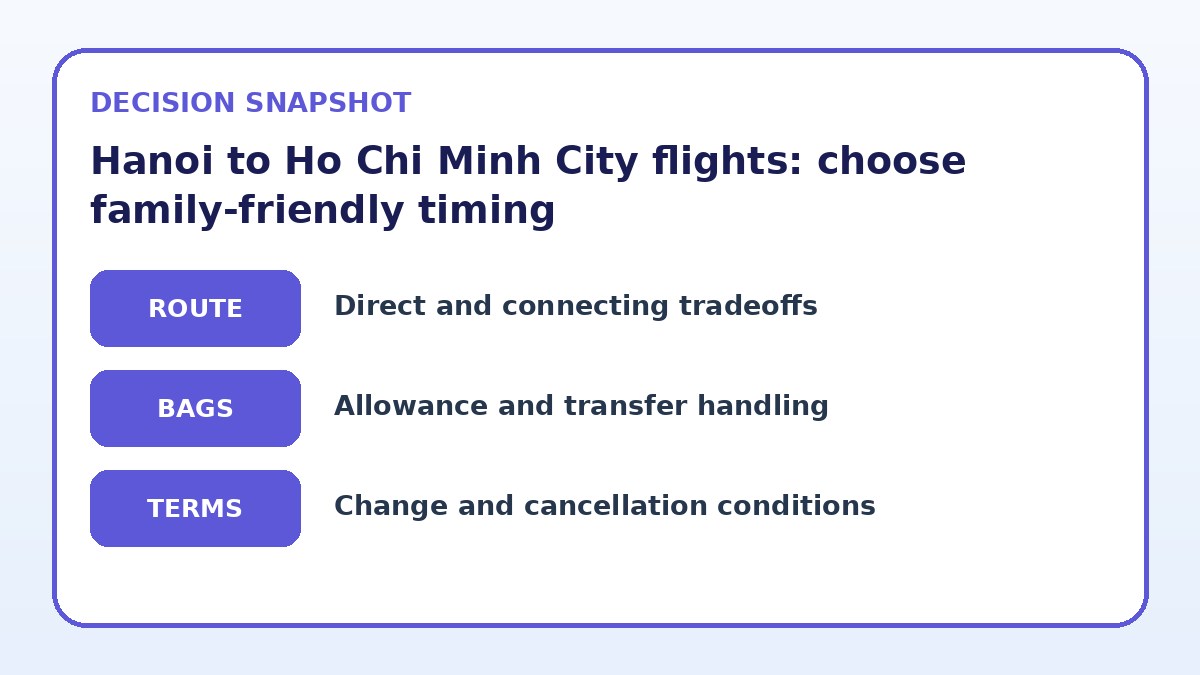
| Approach | Best for | Tradeoff to check |
|---|---|---|
| Nonstop daytime flights | Families prioritizing simplicity and minimal transfers | Often less flexible and sometimes a bit more expensive than multi-leg fares |
| Early-morning departures | Parents wanting to arrive with a full day ahead | Requires very early wake-up and longer pre-flight logistics with children |
| Single-connection itineraries with long layovers | Families seeking lower fares or specific timing | Adds airport time and potential stress managing kids between gates |
| Changeable fares or tickets with flexible options | Families with uncertain schedules or who want booking peace of mind | May have higher upfront cost but reduces risk of expensive last-minute changes |
Choose timing that preserves family routines
Flight times matter more with children than with solo travelers. A flight that departs during a typical nap or sleep window can mean cranky kids and stressed parents, while an option that leaves mid-morning or early evening may align better with natural rhythms. For departures from Hanoi, consider how travel to the airport, check-in times, and security lines will affect your schedule—add at least an extra 30–60 minutes to your normal airport arrival window when traveling with a stroller or car seat. On arrival in Ho Chi Minh City, think about local ground transport availability and how tired the family will be after the flight.
Also factor in buffer time for immigration and baggage collection, especially with younger children who need time to adjust. If you plan to travel with grandparents or a large group, allow extra time for everyone to move through the airport together. Evening arrivals can be convenient for heading straight to your hotel and sleeping, but late-night domestic services (taxis, shuttles) may be limited. Check the operating hours and family facilities of the arrival airport as part of your planning, and confirm them on official and carrier pages before booking.
Before you book
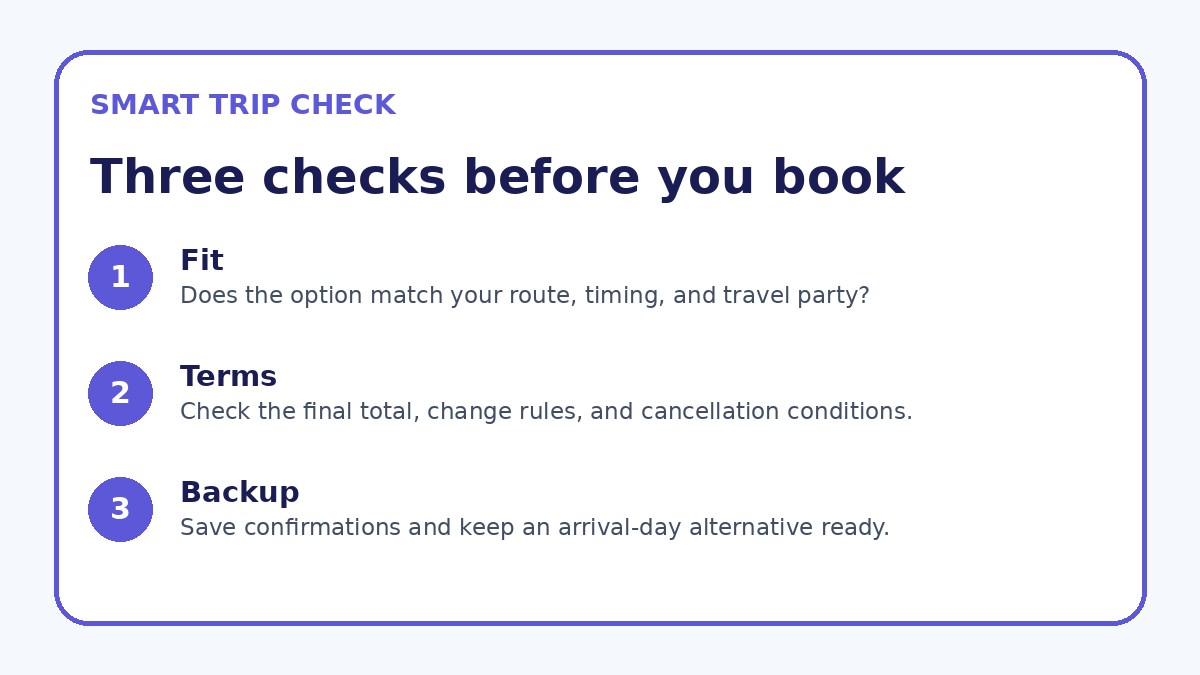
- Check whether the itinerary is nonstop or includes connections, and confirm the exact number of flight segments before booking.
- Verify change, cancellation, and rebooking rules on the airline’s official booking page for each passenger type.
- Confirm baggage allowances, stroller/infant equipment policies, and seat selection options directly with the carrier.
- Pick flight times that align with your child’s sleep and meal routines to minimize in-flight disruption.
- Plan ground transport at arrival—confirm taxi, shuttle, or private transfer options and operating hours ahead of time.
- Pack a family carry-on with essentials (meds, snacks, spare clothes, entertainment) and have documents accessible digitally.
Practical booking checks and day-of-travel tips
Before you finalize a booking, verify the fare rules on the airline’s final page: change and cancellation policies, baggage inclusions, seat selection fees, and whether infants or car seats require advance notice. Those details determine true flexibility and convenience. If you need the right to switch dates, look for fares that allow free or low-cost changes, and confirm whether any change fees differ by passenger type. If comparing options, sample the same itinerary on a booking platform such as Trip.com to see current availability, but always confirm policy details on the airline’s official page before paying.
On travel day, reduce stress by packing a small carry-on with essentials—snacks, medications, spare clothes, and favorite quiet toys. Arrive at the airport early to manage stroller check, gate requests, and seat adjustments. If you have a connecting flight, request assistance from airline staff when booking or at check-in; many carriers will help families with tight connections. Keep digital copies of tickets and identification accessible, and have a simple plan for handling delays: choose a family meeting point, pre-load entertainment, and know the name and location of your arrival terminal and main transfer options.
Frequently asked questions
Should families always choose nonstop flights between Hanoi and Ho Chi Minh City?
Not always. Nonstop flights reduce transfers and complexity, which is a big advantage for families, but they can sometimes be less flexible or more expensive. If timing or budget constraints push you toward a connecting itinerary, choose one with a single connection and a comfortable layover, verify it’s a single-ticket itinerary that protects connections, and allow plenty of time for transfers. Assess whether the time saved on a nonstop outweighs the flexibility a cheaper, changeable fare provides for your specific travel needs.
How much time should we leave for connections when traveling with children?
Allow more buffer than a solo traveler would: plan for at least the carrier’s minimum connection time plus an extra 30–60 minutes to manage strollers, bathroom breaks, and boarding with children. If terminals require a shuttle or are far apart, add even more time. When booking, check whether your flights are on one ticket (which usually offers some protection) and confirm connection details on the airline’s page. Err on the side of longer layovers if you prefer less rush and the ability to handle unexpected delays calmly.
What family services should I check before booking a flight?
Look for seat selection policies that allow families to sit together, baggage allowances that include strollers or car seats, and infant fare or lap-child rules if applicable. Also check boarding priorities for families, in-flight meal options for kids, and any assistance services at the airports. These details often differ by carrier and fare class, so read the airline’s policy pages carefully during booking. You can compare availability on platforms like Trip.com, but always verify critical service terms on the airline’s official site before you finalize payment.
Final planning note
Balancing flexibility and convenience for Hanoi to Ho Chi Minh City flights comes down to knowing which inconveniences you’re willing to accept and what protections you need. If avoiding transfers and keeping routines intact is essential, prioritize direct or single-connection flights timed to family schedules. If plans might change, favor fares that allow modifications for at least one adult, even if that means accepting a longer travel time. In every case, verify connection protection, baggage and seating rules, and change fees on the carrier’s final booking page before paying. A little advance checking saves stress and keeps your family trip moving smoothly.
Continue planning
Check current options and final conditions
Use the provider page to confirm live availability, the final total, cancellation terms, and every condition that matters to your trip.
This evergreen planning guide was created with AI-assisted drafting and a structured quality review. It does not display live prices, schedules, availability, visa guidance, or provider rankings. Verify current details before booking. Some links are affiliate links; we may earn a commission at no additional cost to you.