
If your family is flexible by a week or two, planning Tokyo around the shoulder seasons—late spring before the summer heat and autumn after the peak leaves—can make packing, sightseeing, and daily logistics easier. Practically: aim for mid-April to early May gaps or late October into November windows when crowds drop relative to cherry blossom or autumn-peak days, and focus your search on family-friendly neighborhoods with easy transit links and parks. This approach reduces time spent queuing and increases options for accommodation types that accept families, while keeping weather comfortably cool. Below you’ll find how to decide whether to shift travel dates, what to compare when hunting Tokyo travel deals, and which tradeoffs matter most for families with small children or older kids.
Why shoulder seasons help families plan Tokyo days
Shoulder seasons smooth out two common family travel headaches: extreme weather and long queues. In Tokyo, the very busy cherry blossom and Golden Week periods bring crowds and packed trains, while midsummer is humid. Moving a trip into a shoulder window often means cooler mornings and earlier afternoon comfort for younger children, more predictable outside activities, and shorter waits at amenities like family restrooms. That makes sightseeing less stressful and gives you a buffer to handle naps, feedings, or stroller logistics without racing between attractions.
For families, the gains aren’t only comfort-related. Less demand for rooms and family-sized units usually translates into a wider selection of apartment-style stays, local hotels with connecting rooms, and places that are willing to provide child cots or extra bedding. Even if advertised rates aren’t guaranteed during your search, lower occupancy typically means more options to compare — such as rooms with kitchenettes to prepare simple meals and hotels near parks or playgrounds where kids can burn energy between museum visits.
Choosing where to stay: neighborhoods and transit tradeoffs
Choose a base by balancing short daily journeys with access to attractions your family values. Neighborhoods near central lines reduce transfer time and make returning midday for naps doable; parks and wide sidewalks matter for strollers. If your family prefers quieter evenings, pick a residential district with local supermarkets and easy station access rather than a nightlife hub. When you compare listings, use transit time to your main planned activities as a key filter—walking distance to a single hub can be better than a flashy central location that requires multiple transfers each day.
Also consider accommodation layout. Apartments and family rooms give space to spread out and simplify breakfasts and late-night snacks. Hotels with laundry services reduce packing bulk. When evaluating options, check exact room dimensions, whether roll-away beds or cots are available, and whether rooms connect. Because these details change, confirm availability and any extra fees on the property’s booking page. If you use aggregator sites like Trip.com to survey availability, always cross-check the final terms and room photos on the provider’s direct page before paying.
| Approach | Best for | Tradeoff to check |
|---|---|---|
| Travel in shoulder-season weekdays | Families needing quieter museums and easier restaurant seating | May still overlap with local school breaks; fewer evening entertainment options |
| Travel in shoulder-season weekends | Families who prefer scheduled events and open markets | Higher daytime crowding at popular sites compared with weekdays |
| Book apartment-style accommodation | Families wanting space, kitchen access and privacy | Often farther from transit hubs than compact city hotels |
| Book family rooms in central hotels | Short daily transit and easy returns for naps | Less in-room space and fewer self-catering options |
Timing and booking strategies for Tokyo travel deals
Work with flexible windows rather than fixed dates. Start searching multiple departure weeks to see which yields better family-room availability and more convenient flight times. For flights, compare direct and connecting options: a longer itinerary with a daytime connection can be easier for children than a red-eye; but connections add complexity if luggage or delays are a concern. For trains and local travel, look at seat reservations and how transfers affect luggage handling. When you find a reasonable option, note cancellation and change penalties—families benefit from looser change policies more than the smallest headline rate.
When chasing Tokyo travel deals, consider bundling differently: sometimes a hotel-only booking provides the flexibility families need, other times flight-plus-hotel packages reduce administrative work. Don’t let a slightly lower fare dictate a plan that adds long transit legs or late arrivals with tired children. Always verify what’s included on the final booking page: exact room configuration, bed setup, breakfast availability, and whether child discounts are applied at checkout or need to be arranged separately with the property.
Before you book
- Compare at least three date ranges (two-week windows) to find the most convenient shoulder-season options.
- Filter accommodations for family amenities: confirmed bed setup, available cots, kitchenette, and laundry facilities.
- Map door-to-door transit time from your arrival point to the accommodation, counting transfers and walking with luggage.
- Ask the property about elevator availability, stroller access, and late check-in procedures before booking.
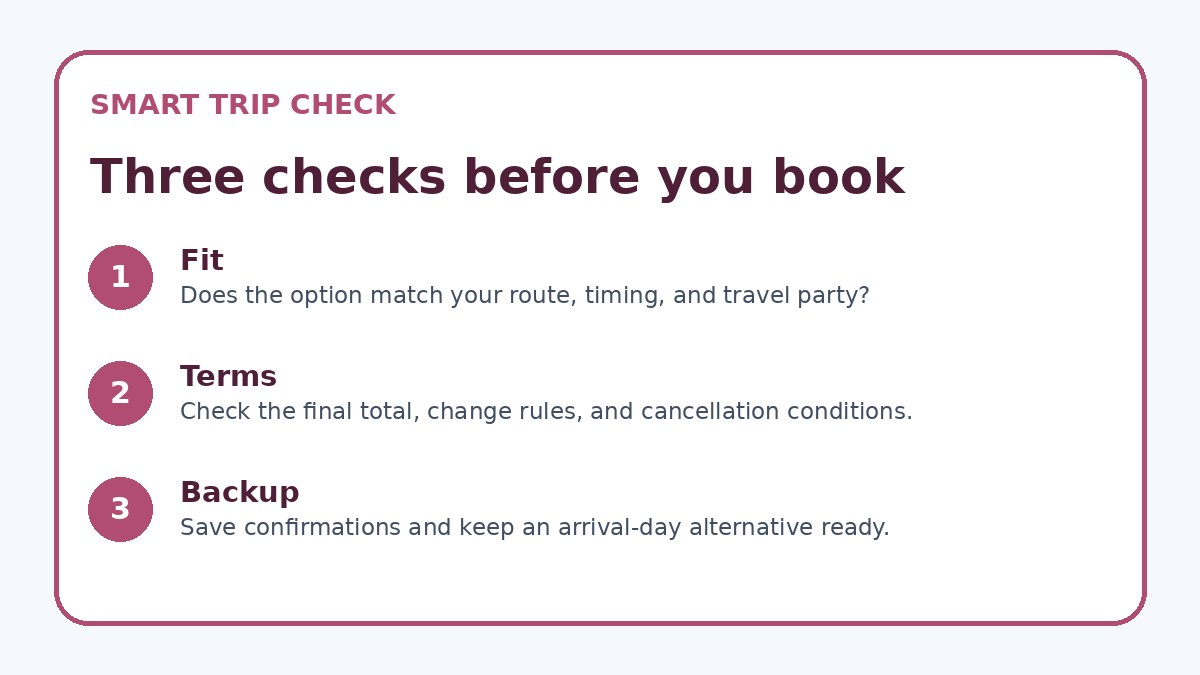
- Confirm cancellation and change terms on the provider’s final booking page, and note any fees for children.
- Identify nearby convenience stores, pharmacies, and parks; save their names and addresses in your itinerary.
What to check before you book (family-specific priorities)
Before you commit, double-check items that matter to family comfort: confirmed bed types and whether cribs are complimentary, kitchen or microwave access, laundry facilities, and quiet hours. Inspect the property photos and read recent reviews for comments about noise, elevator availability, and stroller access where applicable. For transport, map the walk from station exits to the property; several Tokyo stations have multiple exits and long underground walks that are hard with luggage or small children. Confirm pickup logistics for late arrivals if you expect to land in the evening.
Safety and convenience details include whether the neighborhood has a pharmacy, convenience store, and easy dining options suitable for picky eaters. If your family relies on public transit passes, check where the nearest ticket office or automated machine is located. For day trips, identify nearby lockers or luggage storage options so you can sightsee without hauling suitcases. When in doubt, message the property with specific questions and ask providers to confirm arrangements on the final booking page.
Frequently asked questions
How much should families prioritize weather versus crowds when picking Tokyo shoulder-season dates?
Prioritize the factor that will most affect daily routines. If your children are sensitive to heat or need predictable nap schedules, pick dates with cooler average temperatures even if they carry slightly higher visitor numbers. If your kids handle heat but get restless in lines, choose quieter shoulder windows with lower crowding. Use historical weather averages and crowd patterns to guide decisions, and leave a buffer day at the start of your itinerary to adjust if conditions differ from expectations.
Are there family-friendly transport tips for getting around Tokyo during shoulder seasons?
Yes — plan trips to popular spots outside peak commute hours and use station entrances that minimize stairs and long tunnels. Reserve seats on limited-express trains where available for longer trips; otherwise, schedule shorter trips with breaks at parks or malls. Keep a light foldable stroller for crowded streets and smaller trains, and pack compact snacks to avoid searching for child-friendly meals during busy times. Always check train station exit layouts and elevator locations online before leaving the hotel.
What should I verify on booking pages when using a deal aggregator or travel agency?
Confirm the exact room type and bed configuration, whether taxes or service charges are included, the property’s child policy and any age-based pricing, and the full cancellation and change terms. Check whether amenities shown in listings (kitchenette, laundry, crib) are actually included or offered for an extra cost. If the listing mentions transfers or packaged tickets, verify pickup locations and refund rules. Aggregator sites like Trip.com can show availability, but always confirm final contract details on the provider’s page before paying.
Final planning note
Planning Tokyo around shoulder seasons is a practical choice for families who value manageable days, easier transport, and more accommodation options. The key decision is whether to trade slightly less event density for calmer daily logistics—most families gain flexibility, space, and lower stress by shifting dates by a week or two. Use the steps above: widen your date range, prioritize transit convenience and family amenities, and always confirm specifics on the provider’s final booking page. With a little flexibility and targeted checks, shoulder-season travel can make Tokyo trips easier and more enjoyable for everyone.
Continue planning
Check current options and final conditions
Use the provider page to confirm live availability, the final total, cancellation terms, and every condition that matters to your trip.
This evergreen planning guide was created with AI-assisted drafting and a structured quality review. It does not display live prices, schedules, availability, visa guidance, or provider rankings. Verify current details before booking. Some links are affiliate links; we may earn a commission at no additional cost to you.