If you’re planning a family trip from Mexico City to Puebla, choose the transport that matches your children’s needs and your tolerance for transfers, luggage handling and flexibility. Practically speaking, coach (intercity bus) and driving are the most commonly used options; rail and ferry-style services are less usual and often involve connections or seasonal operations. This article gives a quick recommendation up front, then explains tradeoffs and decision criteria families can use when comparing schedules, seat space, cost, luggage policies, and door-to-door time. I’ll point out what to check on the provider’s booking page—schedules, luggage allowances, family or child fares, and seat assignment rules—so you can make a confident choice. Trip.com is one place to compare current availability, but always verify details directly with the operator before you finalize.
Quick practical recommendation for families
For most families traveling Mexico City to Puebla, an intercity coach or a private car/van hire will be the most practical choices. Coaches run from main terminals and typically allow straightforward boarding with strollers or larger bags; private vehicles give you flexibility with timing, rest stops, and seating arrangements when traveling with young children or elders. If you value fewer transfers and predictable schedules, aim for a direct coach or a door-to-door transfer service booked in advance. When time is tight or you’re balancing naps and stroller logistics, the ability to control departure and stops often outweighs small fare differences.
If you prefer rail, verify whether an actual passenger train service is operating on the route and whether it is direct. Some higher-end rail options in Mexico are seasonal, limited, or packaged as tourist experiences rather than regular commuter services; that affects frequency and family amenities. For ferries or waterborne travel, check whether the service is part of a combined tour rather than a practical point-to-point link; these will likely add transit time and require additional ground transfers. Whatever mode you pick, check the provider’s final booking page for seat assignments, luggage rules, and family or child fare options.
How to compare time, cost, and comfort
When comparing options, treat door-to-door time as your baseline—this includes travel to and from terminals, waiting, and any transfers. A faster scheduled journey may lose its advantage if the arrival or departure terminals are far from your accommodation. Comfort matters more for family trips: seats with dedicated child space, the ability to stand and walk, onboard restrooms, and quiet areas for naps all reduce stress. Compare the number of daily departures and how flexible they are with kids; more frequent schedules let you pick a time that works around sleep and meals.
Cost comparison should include more than the fare: factor in taxi or rideshare costs to terminals, checked-luggage fees, car-parking or fuel for driving, and the value of your time. Some coaches offer family seats or reduced rates for children—look for those on the provider’s booking page. If you’re considering a private transfer, compare the hourly or flat-rate structure and whether child seats are available. Always confirm cancellation and change policies in case plans shift around naps, illness, or other family contingencies.

| Approach | Best for | Tradeoff to check |
|---|---|---|
| Intercity coach | Families needing frequent departures, easy boarding, and flexible luggage handling | Can be less private and depends on terminal proximity to your lodging |
| Private car/van | Door-to-door comfort, flexible stops, and traveling with bulky gear | Higher per-trip cost and requires careful selection of licensed providers |
| Train (where available) | Stable ride, roomy seating and relaxed travel if a direct service exists | May require transfers or be limited in frequency and station locations |
| Ferry or combined tour | Leisure-focused families who want a scenic or packaged experience | Usually adds transit time and ground transfers; not a practical point-to-point option |
Luggage, accessibility and child needs
Families often carry strollers, car seats, and extra bags. Verify luggage allowances and handling rules for coaches, trains, or transfers before booking; some services allow free large items, others require checked-item fees or have strict size limits. If you travel with an infant car seat, ask whether the vehicle or coach can secure it safely. Accessibility matters for grandparents or family members with mobility issues—check whether platforms, ramps, or step-free boarding are available at stations and terminals.
Pack a small ‘carry-on’ bag with snacks, a change of clothes, medicines, and entertainment to avoid repeated access to stored baggage. If the operator offers onboard restrooms or changing facilities, factor that into comfort for long legs of the trip. For private cars, discuss whether driver stops are flexible and where you can safely take breaks. On rail or coach options that list seat maps, choose seats with space for packs and easy restroom access; confirm seating assignments on the final booking screen.
Before you book
- Confirm the exact departure and arrival terminal names and address before booking to plan transfers and travel time.
- Check luggage allowances and whether strollers or car seats count as carry-on or require advance notification.
- Ask the operator in writing about child fares, required identification, and availability of booster or child seats for private transfers.
- Compare door-to-door travel time, not just scheduled in-vehicle time, when weighing coaches, trains, or car hire.
- Verify cancellation and change policies on the provider’s final booking page to handle family schedule changes.
- Confirm accessibility features and step-free boarding if traveling with mobility-impaired family members or infants in strollers.
Safety, tickets, and what to verify before booking
Safety is a priority with children. Check recent reviews regarding punctuality and on-board behavior if you have time, but rely on provider policies for verified details. Verify insurance and liability terms for private transfers and whether the operator provides child restraints. For coaches and trains, ensure you understand boarding procedures at the terminal and any ID or documentation requirements for children that the operator may list at booking.
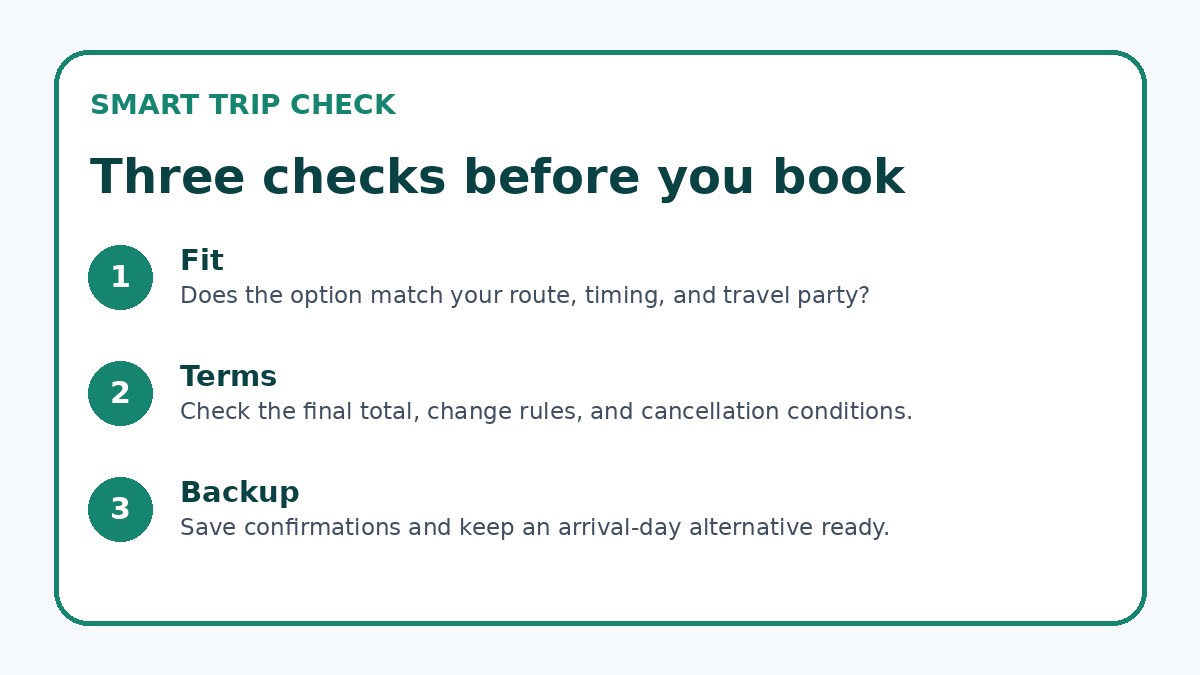
Before you commit, double-check departure and arrival points, not just city names—some operators use different terminals or suburban stops that change your transfer time. Confirm luggage allowances, seat selection fees, child fares, and cancellation or change fees on the provider’s final booking page. If using Trip.com to compare options, use it as a starting point but click through to the operator’s site to confirm the exact terms and any extra charges. Finally, reconfirm the booking the day before travel to catch last-minute changes.
Frequently asked questions
Is there a direct passenger train between Mexico City and Puebla for families?
Passenger rail options in the region can change and may include tourist or seasonal services. Do not assume a year-round direct train connection. If rail is important to your family, check the operator’s site for up-to-date schedules and whether the service is direct or requires a transfer. Also verify seat reservations, baggage rules, and boarding terminal. Use comparison sites like Trip.com to see listings, but always click through to the official provider to confirm final details before booking.
What’s the easiest option with young children and lots of luggage?
A private car or van hire usually gives the easiest door-to-door option when traveling with multiple bags, strollers, or car seats. It removes the need to manage baggage at terminals and lets you schedule stops. If you prefer not to drive, direct coach services can also be practical if they allow large items and have convenient boarding points. Before you book either, confirm child seat availability, luggage handling, and exact pickup/drop-off addresses on the provider’s booking page.
How should we plan stops, meals, and naps on the journey?
Plan around your children’s routines by choosing departure times that match nap windows and by packing easy-to-access snacks and a change of clothes. If you drive, schedule regular stops for stretching and restroom breaks—map safe, well-lit rest areas or service stations ahead of time. For coaches or trains, select seats near restrooms and reserve seats together. Bring quiet activities, headphones, and small comfort items; check the operator’s facilities (restroom, food service) on the booking page to know what to expect.
Final planning note
Families have several realistic options for Mexico City to Puebla transport. For most, coaches and private vehicles provide the balance of frequency, convenience, and luggage flexibility families need, while trains may suit those who find a direct, stable rail service that fits their schedule. Ferries and tour-style water services are generally leisure options rather than efficient point-to-point travel. The decision comes down to door-to-door time, how much control you want over stops, and whether you can accommodate luggage and child equipment. Before booking, verify terminals, luggage rules, seat assignments, child fare policies, and cancellation terms on the provider’s booking page. Use comparison tools like Trip.com as a starting point, then confirm the operator’s details directly to avoid surprises.
Continue planning
Check current options and final conditions
Use the provider page to confirm live availability, the final total, cancellation terms, and every condition that matters to your trip.
This evergreen planning guide was created with AI-assisted drafting and a structured quality review. It does not display live prices, schedules, availability, visa guidance, or provider rankings. Verify current details before booking. Some links are affiliate links; we may earn a commission at no additional cost to you.