Practical answer up front: for most couples the decision comes down to whether you want time together en route (train or ferry-style options where available), the cheapest land option (coach or car-share), or the fastest travel time (air plus rail or direct driving). If you want a relaxed journey where the route is part of the trip, prioritise daytime scenic travel or an overnight rail option; if the trip is a weekend with limited time, favour speed. This guide compares the realistic choices—train, coach, ferry/sea-leg where practical, driving and hybrid fly+land options—so you can weigh comfort, privacy, cost-effort, and how the journey fits the rest of your plans. Read on for tradeoffs and exactly what to check before booking.
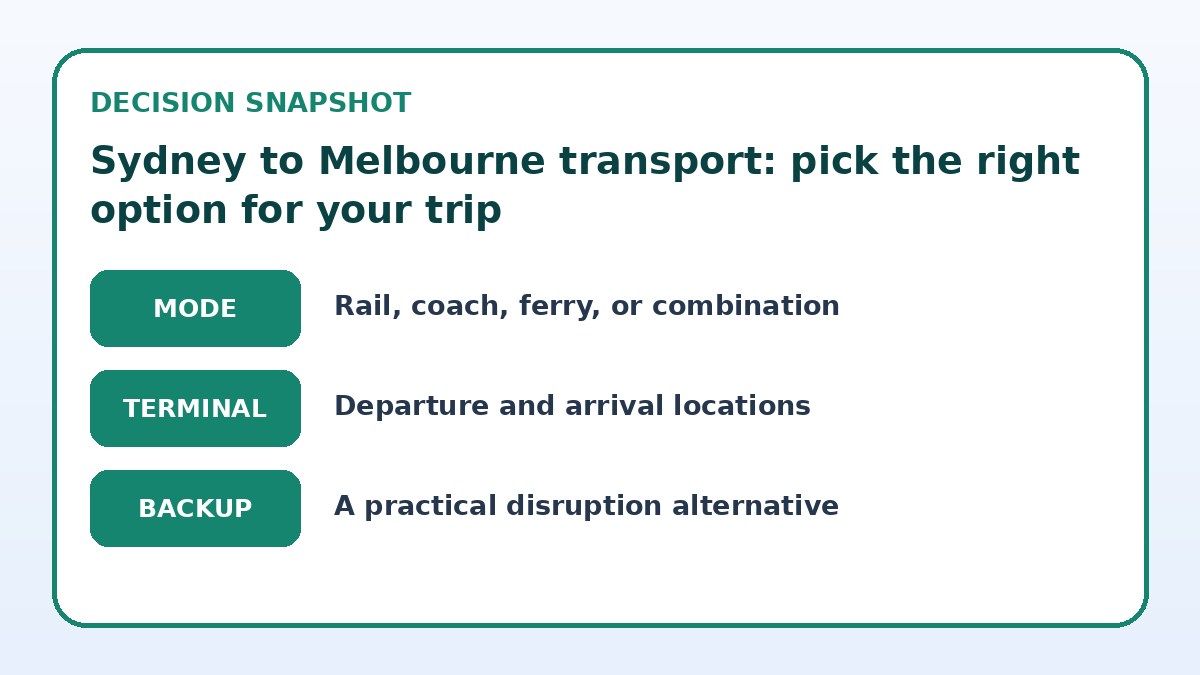
See current options before you compare the details
Availability and final conditions change. Open Trip.com now or keep reading for the practical comparison.
Train: shared space, steady rhythm, and what to expect
Taking a train between Sydney and Melbourne is attractive for couples who want space to sit together, stretch, and enjoy a predictable, relaxed environment. Trains typically allow you to walk, use a café car where available, and settle into a single stretch of travel without the stop-start of road traffic. For couples planning conversation, reading, or working on a shared playlist, a train’s steady pace often beats the cramped silence of a long coach ride. Before you book, check whether the service is direct or requires a change, whether sleeping berths or upgraded seats are offered, and what luggage allowances apply—confirm all specifics on the provider’s booking pages.
Tradeoffs include less flexibility to detour mid-route and the need to match train schedules to your plans. If you value privacy, look for private or upgraded seating options; if scenery is the priority, request a window seat and travel by day. Consider how arrival and departure times fit with hotel check-in or onward transport, and verify whether there are on-board food and drink options or whether you should pack snacks. Finally, check cancellation and change policies carefully: rail providers often have different rules for discounted fares and full-price tickets.
Coach: straightforward, economical, and what couples should weigh
Coaches connect cities with frequent departures and flexible ticketing that can suit couples on tight schedules or tight budgets. They typically operate from central terminals, reducing transfer time to hotels, and some operators offer luggage storage that frees you up to explore on arrival. For couples who want the lowest-effort ground link without worrying about driving, coaches are an uncomplicated choice. That said, coach travel means sitting for extended periods with limited room to move; choose seats together, and consider travel times to avoid overnight exhaustion on arrival.
The main compromises are comfort and downtime: long coach journeys can be tiring, and there’s less opportunity for private moments than in a car or private cabin. If you’re planning a romantic escape, weigh whether the cost savings justify the trade in comfort. Verify on the provider page the exact pick-up and drop-off points, seat selection rules, luggage limits, and any onboard amenities such as restrooms or power outlets. If you’re combining coach travel with local activities, plan buffers for possible traffic delays and check change and refund terms before booking.
| Approach | Best for | Tradeoff to check |
|---|---|---|
| Overnight train or sleeper | Couples who want to sleep through travel and wake up at the destination, turning the trip into part of the experience. | Less flexibility for detours and potential higher cost for private cabins or upgraded berths. |
| Day coach/bus | Budget-conscious couples prioritising simple point-to-point travel without driving responsibilities. | Long hours seated together with fewer amenities and limited privacy compared with other modes. |
| Drive yourself or hire a car | Couples seeking privacy, detours, and a personalised pace with the freedom to stop as desired. | One partner may handle driving fatigue; additional costs and planning for tolls, fuel, and vehicle insurance apply. |
| Fly plus local rail/drive | Couples with limited time who still want a local scenic segment or a day trip near the arrival city. | Requires careful timing for connections and can complicate baggage and change/cancellation rules across providers. |
Ready to check the option that fits your plan?
Use your exact dates and traveler details so the provider page can show the current total and conditions.
Driving and road trips: control, stops, and couple-friendly routes
Hiring a car or driving your own gives couples maximum control: set your pace, take scenic detours, and plan surprise stops at wineries, beaches, or lookout points. A road trip supports flexible timing—sleep when you want, linger where you love, and pack personal items without strict luggage rules. Driving together also creates shared memories through the journey itself, perfect for couples who enjoy a private experience and don’t mind sharing driving duties. If only one partner prefers to drive, consider splitting legs or planning restful stopovers to avoid fatigue.
The downsides are responsibility and potential stress: one person must manage navigation and road conditions, and driving long distances can be tiring, especially if you’re not used to local roads. Costs like fuel, rental insurance, and tolls can add up; be sure you understand rental insurance excess, permitted driving areas, and any one-way drop fees. Check local road rules and required documentation, and plan realistic daily driving distances. If you’re renting, confirm pick-up/drop-off terms on the rental provider’s final page and inspect the vehicle together before leaving the lot.
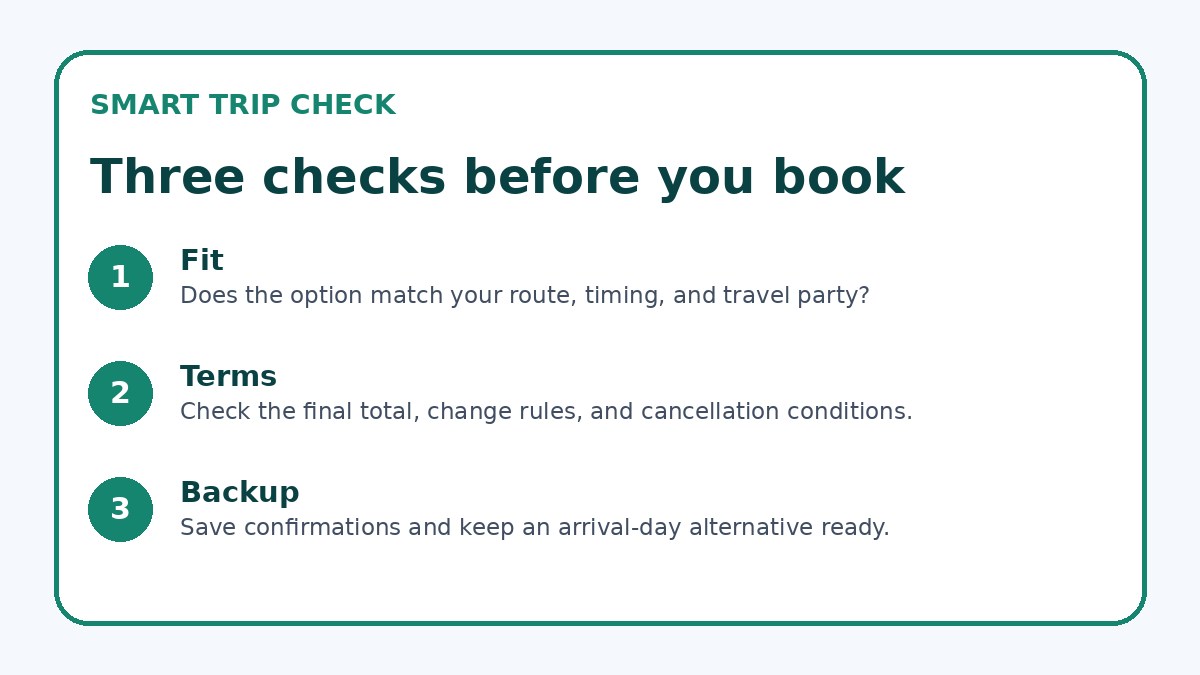
Before you book
- Compare total door-to-door time (transfer to/from terminals or stations) rather than just advertised travel time.
- Confirm luggage allowances, seat selection rules, and whether you can sit together when booking seats.
- Check provider cancellation and change policies on the final booking page before paying.
- Plan realistic driving distances and rest stops if you choose to drive; list alternates for breakdowns or closures.
- Verify arrival and departure locations (which terminals or stations) and how you’ll reach your hotel from there.
- If combining modes, leave generous buffer time between connections and confirm baggage transfer arrangements.
Ferries, flights, and hybrid options: mixing speed and scenery
Direct ferries between Sydney and Melbourne are not a standard point-to-point option, but coastal or seasonal sea legs and scenic cruise alternatives occasionally appear in broader itineraries. For couples prioritising scenery over speed, look for organised coastal cruises that include overnight segments or links to local ports—these change seasonally, so always verify the route and boarding requirements on the operator’s booking page. When time is tight, combining a short flight with a local drive or train segment lets you have both speed and a scenic day trip near your arrival city.
Hybrids require careful timing: allow sufficient buffer for transfers and baggage collection, and check airline baggage rules if you plan to continue by rail or road. If you want a seamless experience, choose connections with flexible change policies or buy a through-ticket if offered by a single provider; otherwise, leave extra time between separate bookings. Use comparison tools such as Trip.com to view current availability and conditions, but verify rules, baggage limitations, and connection windows on each provider’s final booking page before committing.
Frequently asked questions
Which mode is most romantic for a couple travelling between Sydney and Melbourne?
Romance depends on what you both enjoy. A leisurely daytime train or a planned road trip with scenic stops offers shared moments and private time, while an overnight sleeper can feel intimate and novel. If you prefer uninterrupted privacy, renting a car lets you curate every stop. Conversely, a coach or short flight may be practical but less romantic—so choose the mode that lets you spend time together doing what you both enjoy, whether that’s watching coastline, stopping at small towns, or relaxing in a private cabin. Always check exact options and amenities on the provider’s booking page.
How should couples balance cost and comfort when choosing transport?
Start by prioritising what matters most—time together, speed, or budget—and then compare options that meet those needs. For example, if comfort matters more than saving a few dollars, a train with room to move or a hire car are better choices than a long coach ride. If you want speed, a short flight plus a local transfer may be worth the extra cost. Factor in extras like luggage fees, seat selection, fuel, and parking; these add to the true cost and can change which option is best. Always confirm any fare conditions and additional fees on the provider’s final booking page.
What practical checks should be done before booking?
Confirm the exact departure and arrival locations, ticket change and cancellation terms, luggage policies, and seat availability. For hires or drives, check insurance excess, driver's licence requirements, and any one-way fees. If your plan includes connecting services, leave comfortable transfer buffers and verify whether baggage transfers automatically or must be reclaimed. Use a comparison tool such as Trip.com to see current options, but always read the provider’s official booking page for the final terms and restrictions before paying to avoid surprises.
Final planning note
Choosing the right Sydney to Melbourne transport option for a couple comes down to priorities: do you want time together and scenery, the lowest effort, or the fastest route? Trains and road trips favour shared experiences and flexibility, coaches are straightforward and practical, and hybrid fly+land options save time while preserving a scenic segment. Decide on your must-haves—comfort level, control, total time, and budget—and compare door-to-door logistics, seat arrangements, and cancellation rules on provider pages. With those checks in place, you can pick the mode that best fits your relationship’s travel style and the specific plan for your trip.
Continue planning
Check current options and final conditions
Use the provider page to confirm live availability, the final total, cancellation terms, and every condition that matters to your trip.
This evergreen planning guide was created with AI-assisted drafting and a structured quality review. It does not display live prices, schedules, availability, visa guidance, or provider rankings. Verify current details before booking. Some links are affiliate links; we may earn a commission at no additional cost to you.