If you’re booking Los Angeles to Honolulu flights with kids, prioritize timing, seat choices, and in-flight comfort before you commit. Decide first whether a nonstop works for your family’s ages and sleeping habits—nonstops reduce transfer stress but may be longer and more tiring for very young children or nervous flyers. If you choose a connecting itinerary through another U.S. hub, plan a minimum connection time that allows bathroom breaks, snack runs, and a quiet place to regroup. Consider departure times that align with your child’s nap or bedtime, and balance that against airport crowds and morning check-in ease. This guide walks through the tradeoffs, what to compare on booking pages, and an actionable checklist to help families turn a long-haul flight into a manageable, even restful, part of the trip.
See current options before you compare the details
Availability and final conditions change. Open Trip.com now or keep reading for the practical comparison.
Direct versus connecting choices: what families should weigh
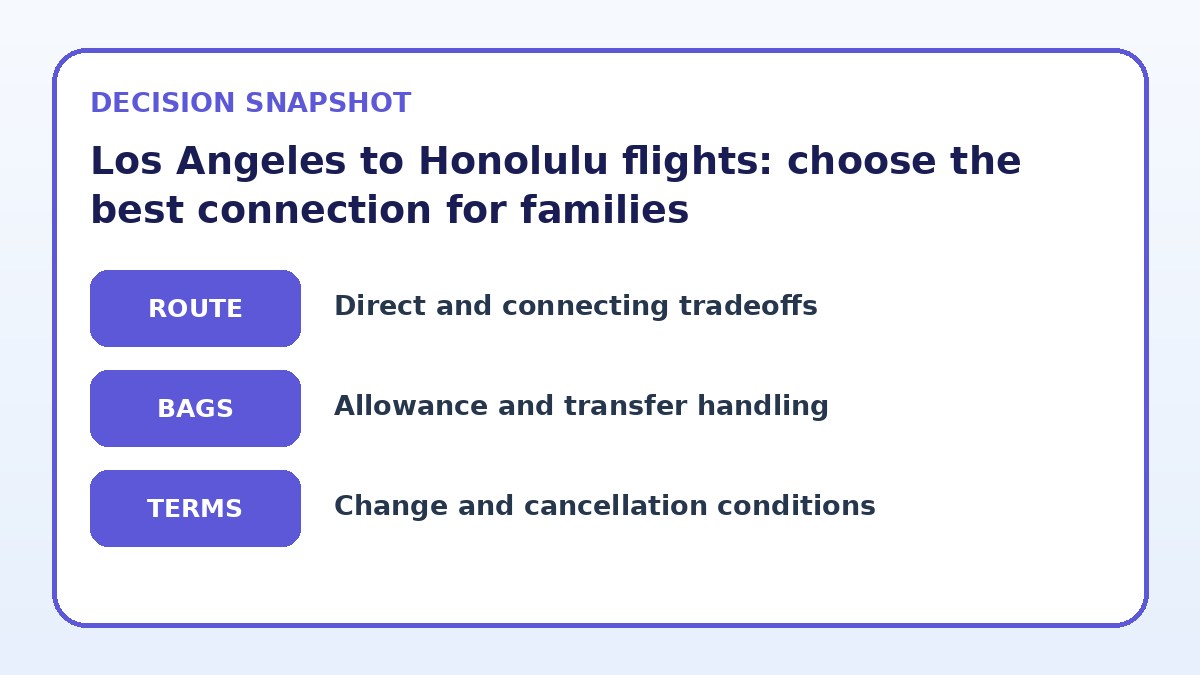
When comparing direct and connecting Los Angeles to Honolulu flights, list what truly matters to your family: minimizing time in transit, breaking the journey for naps or play, and avoiding the stress of quick transfers. A direct flight reduces the number of times you have to move luggage, pass through security, and manage small passengers in crowded terminals. However, a single long flight can be tiring for toddlers and preschoolers who feel confined. Weigh whether a continuous block of hours in the air will be easier than a split schedule that offers walking time between flights.
If you consider a connection, evaluate how the layover fits your family routine—long enough to decompress but short enough to avoid extra accommodation needs. Check terminal layouts and whether the airline codeshares the connecting leg so your bags transfer automatically; on the booking page verify baggage transfer policies and minimum connection times. Parents often prefer mid-length layovers of 90–180 minutes at a family-friendly airport where restrooms, nursing rooms, and play areas are available, but remember facilities change: verify services on the airport or airline website before booking.
Timing and scheduling: pick departures that work with kids’ rhythms
Flight time affects mood, sleep, and food schedules. For young children, late-afternoon departures that overlap with a nap or early-evening flights that align with bedtime can produce quieter travel—though they may also mean boarding when kids are overtired. Morning departures often mean calmer terminals and fewer delays, but they require an early start. For families traveling to Honolulu, think about the destination time difference and how immediate arrival energy will affect your first day on island time. Choose a schedule that minimizes disruptive meal and nap changes where possible.
Also consider the length of the ground process: factor in check-in time, security waits, and the time needed to move through Los Angeles airports with strollers or car seats. If you’re using a connecting flight, select transfers that avoid peak congestion windows where security lines surge. On the booking page, verify estimated total door-to-door travel time, and cross-check recommended arrival times for families or passengers with children. When in doubt, build extra buffer time rather than squeezing the itinerary tight—stress on the ground often affects the whole trip.
| Approach | Best for | Tradeoff to check |
|---|---|---|
| Nonstop flight | Families wanting fewer transitions and simpler logistics | Longer continuous cabin time that can be tiring for restless young children |
| Single connection with a long layover (90–180 minutes) | Families who want a break to stretch, feed, or reset routines | Adds complexity and slightly higher chance of delay affecting onward travel |
| Early-morning departure | Families preferring fewer delays and calmer airport crowds | Requires an early start that may disrupt children's usual sleep patterns |
| Evening departure aligned with bedtime | Families hoping kids sleep through much of the flight | Busy boarding and possible airborne meal schedules that interrupt sleep |
Ready to check the option that fits your plan?
Use your exact dates and traveler details so the provider page can show the current total and conditions.
Comfort strategies onboard for longer flights
Seat selection and cabin preparation matter. Choose seats together, and if possible reserve a bulkhead or row with extra space—these often allow more room for a small child to stretch. If traveling with infants, check whether the airline offers bassinets and the eligibility rules on the booking page. Bring layers for temperature changes, familiar blankets or stuffed toys to encourage sleep, and a slim pillow. Noise-cancelling headphones sized for kids, along with a mix of new and familiar activities, can make hours feel shorter.
Plan food and hydration deliberately: pack non-perishable snacks that your children like, and have refillable water bottles to use after security. Airlines typically offer meals for longer flights, but menus and timing vary—confirm meal availability and special child meals while booking. For entertainment, download movies, games, and ebooks offline in case the seatback system is unavailable or not kid-friendly. Finally, schedule in-seat movement breaks: plan short games and stretches to keep circulation healthy, and use the aisle to walk laps when allowed.
Before you book
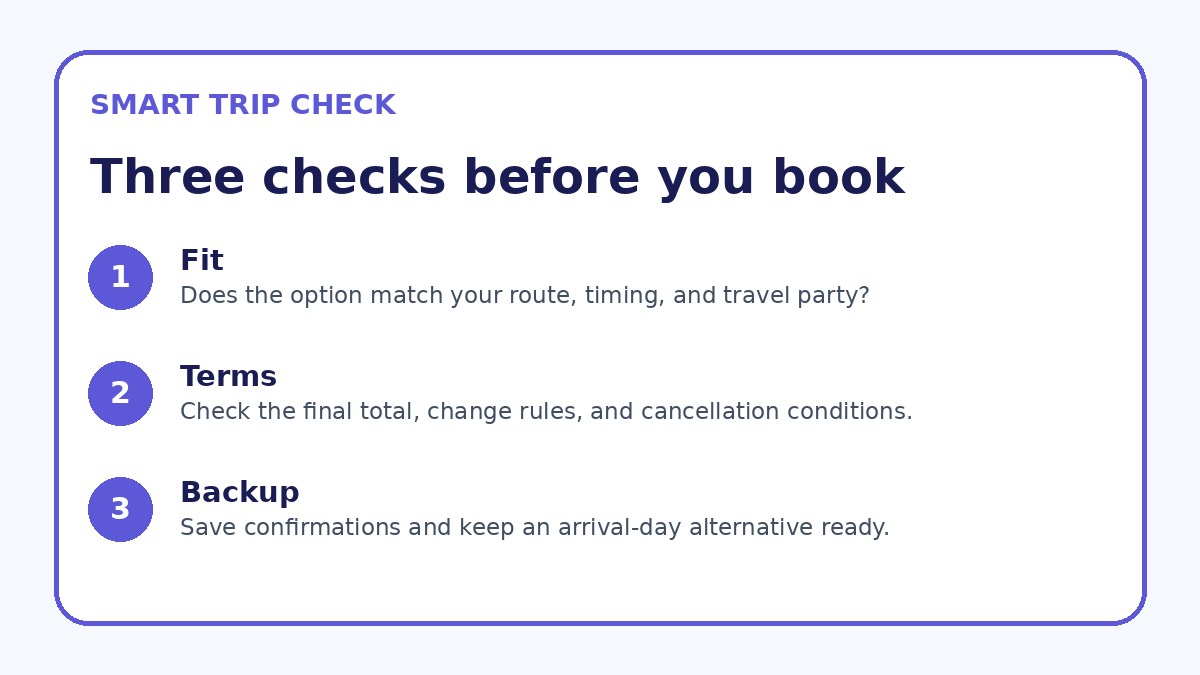
- Choose nonstop or connecting itinerary based on how your children handle long periods confined to a seat.
- Reserve seats together and confirm bulkhead or bassinet eligibility on the airline’s final booking page.
- Pack a carry-on kit with snacks, spare clothes, wipes, chargers, and quiet activities for each child.
- Verify baggage transfer rules and minimum connection times when booking a multi-leg itinerary.
- Plan airport timing: arrive early, know family lanes, and confirm stroller gate-check procedures.
- Download entertainment and save copies of travel documents and reservation details offline before departure.
What to verify on booking pages and at the airport
When you’re ready to book Los Angeles to Honolulu flights, verify seat assignments, baggage rules, and any family-specific services directly on the airline’s checkout page before completing the purchase. Don’t assume seat selection is free; some carriers charge for preferred seats. Check carry-on allowances and whether checked bags transfer automatically on connecting tickets. Confirm infant and child policies—age limits for bassinets, lap infant rules, and documentation requirements. If an itinerary includes a connection, read the airline’s minimum connection time and rebooking protections in case of delays.
At the airport, arrive with extra time and a simple airport plan: where you’ll check bags, where security lines and family lanes are, and where you can find restrooms and quiet spaces. If you need a stroller to gate-check, label it and know the pick-up location on arrival. Ask the airline desk about family pre-boarding options and assistance lanes for security. If you plan to use Trip.com or another booking aggregator, cross-check final fees and seat maps on the airline’s official booking page before you pay, because ancillary fee policies and seat availability can differ.
Frequently asked questions
Is a nonstop Los Angeles to Honolulu flight better for toddlers?
A nonstop often reduces the number of transitions and the stress of moving through terminals, which many parents find simpler with toddlers. However, a single long block of time in a plane seat can be hard on little ones who need movement and play. If your toddler naps easily in unfamiliar places or sleeps through long stretches, nonstop travel may be preferable. If they need frequent walking breaks, a connecting itinerary with a well-timed layover could be calmer. Check seat options, bassinet rules, and onboard amenities on the airline’s booking page to make the best choice.
How much connection time should a family allow in Los Angeles?
Aim for at least 90 minutes for a domestic-to-domestic transfer if you’re checking bags and want time to use restrooms, change diapers, and move between gates. If your connection requires changing terminals, tight security re-screening, or separate tickets, budget more time—120 to 180 minutes reduces risk and gives a buffer for restroom breaks and short naps. On the booking page, look for official minimum connection times and ask the airline about assistance services. Always factor in your family’s pace rather than the absolute minimum listed.
What should I pack in my carry-on for a long flight to Honolulu?
Pack layered clothing, at least one full outfit change per child, and spare masks if in use. Include favorite snacks, reusable water bottles to refill after security, wipes, a small first-aid kit, and any necessary medications. For entertainment, bring a mix of quiet toys, headphones, and downloaded shows or games stored offline. Add a compact blanket or scarf for warmth, charging cables and a power bank, and a travel document pouch with boarding passes and ID. Keep essentials easily reachable to avoid rummaging in overhead bins during flight.
Final planning note
Planning Los Angeles to Honolulu flights for a family trip is less about finding a single perfect itinerary and more about choosing the right tradeoffs for your children’s needs. Decide first whether minimizing transitions or breaking the journey suits your family rhythm, then confirm seat assignments, baggage rules, and any onboard services on the airline’s booking page. Build in extra time at the airport, prepare a targeted carry-on kit, and pick departure times that align as closely as possible with sleep and meal routines. With a few thoughtful decisions and backup plans, the long-haul portion can be manageable—and set the tone for a relaxed start to your Hawaii holiday.
Continue planning
Check current options and final conditions
Use the provider page to confirm live availability, the final total, cancellation terms, and every condition that matters to your trip.
This evergreen planning guide was created with AI-assisted drafting and a structured quality review. It does not display live prices, schedules, availability, visa guidance, or provider rankings. Verify current details before booking. Some links are affiliate links; we may earn a commission at no additional cost to you.