Practical answer first: if you’re leaving Sydney with extra luggage, plan an airport transfer that fits the size and quantity of your bags rather than just the cheapest or fastest option. For most travellers carrying multiple large suitcases or bulky sports equipment, pre-book a vehicle with confirmed luggage capacity or arrange a dedicated airport shuttle that accepts oversized gear. If pre-booking isn’t possible, allow more time and choose drop-off points that permit curbside unloading and short-term parking. Whatever you pick, verify luggage allowances and vehicle dimensions on the provider’s booking page and give yourself at least 60–90 minutes of buffer for unloading, check-in, and security when travelling domestically, and more for international flights.
See current options before you compare the details
Availability and final conditions change. Open Trip.com now or keep reading for the practical comparison.
Choose the right vehicle type
Start by listing all luggage items and their dimensions, including carry-ons, checked suitcases, sports equipment, and fragile cases. With those measurements in hand, compare vehicle types: standard sedan, people-mover, SUV, minivan, or a small van. For more than two large suitcases, sedans often won’t suffice. A minivan or people-mover—if specified in the provider’s booking options as having roof or boot space—handles bulk better. When booking online, look for explicit luggage capacity or photos showing the boot with bags inside; if the page is silent, contact the operator to confirm.
Also think about door-to-door access: some rideshare drivers cancel if bags won’t fit, and taxis vary in boot size. A dedicated airport shuttle or private transfer can guarantee space but may require booking a specific vehicle class. Smaller vans and people-movers usually require advance notice for bulky items like surfboards or golf clubs. If transporting fragile or valuable items, ask about interior protection (blankets, straps) and whether drivers help load and unload; confirm these details on the booking page before finalising the reservation.
Timing, curbside rules and airport zones
Sydney Airport has specific pick-up and drop-off zones that affect how quickly you can unload and depart. When planning your arrival at the terminal, factor in the time it takes to reach the curbside from where the vehicle stops—some commercial shuttles use forecourts a short walk from check-in, while private transfers can often stop closer. If you have excess bags, choose a transfer that allows immediate curbside unloading or a meet-and-greet that expedites check-in. Always verify where the operator will stop and whether they require you to use a nearby short-term carpark instead of direct curb access.
Peak periods and construction can alter how long unloading will take, so pad your schedule. For domestic flights you might be able to be more relaxed, but international departures usually need longer check-in and security times. If you’re tight on time, prioritise a transfer whose driver assists with loading and has confirmed knowledge of the terminal layout. Check the provider’s final booking page for arrival zone instructions, allowed waiting time, and any special procedures for oversized gear.
| Approach | Best for | Tradeoff to check |
|---|---|---|
| Pre-booked private transfer with luggage guarantee | Travellers with bulky or valuable luggage who want door-to-door service | Higher cost and less flexibility for schedule changes |
| Larger rideshare or taxi (pre-arranged via app) | Groups or families needing quick, direct transport with flexible pickup | Space isn’t always guaranteed; confirm vehicle type and driver willingness to help with heavy bags |
| Shared airport shuttle | Those with moderate extra luggage who want lower cost than private vans | Longer door-to-door time due to multiple stops and potential limits on oversized items |
| Mix public transport + luggage courier | Cost-conscious travellers who can separate people from big bags | Coordination required and higher risk of delays or misplaced items during handoffs |
Ready to check the option that fits your plan?
Use your exact dates and traveler details so the provider page can show the current total and conditions.
Mixing transport modes and luggage logistics
Sometimes a hybrid approach balances cost and capacity: use public transport (train or light rail) for you and a small carry-on, while sending larger or extra luggage ahead via a courier or luggage-forwarding service. If you prefer to keep everything together, pick a single vehicle that accommodates all bags—this avoids coordinating drop-offs and reduces the risk of lost items. When considering carriage by train or public transport, verify size and quantity restrictions; trains in Sydney can be crowded, and staff may not be able to help with heavy loading.
If you must split between modes, practise the plan once: check walking distances from stations to the terminal, time needed to transfer luggage, and how to handle last-minute changes. For rideshares, message the driver with clear details about bag count and dimensions; for private transfers, include the luggage list on the booking form. If you consider Trip.com to compare options and availability, treat it as one tool and always confirm luggage policies and vehicle details on the final provider booking page.
Before you book
- Measure and photograph every piece of luggage and save dimensions in the booking confirmation or notes field.
- Contact the transfer provider to confirm boot/internal dimensions, roof-rack availability, and whether drivers help with loading.
- Add at least 60–90 minutes buffer for domestic departures and longer for international flights when scheduling pickup times.
- Include detailed terminal and arrival zone instructions in your booking, and confirm the pick-up/drop-off point before travel day.
- Prepare fragile items with protective covers or straps and label every bag with your contact details and flight number.
- Keep digital and printed copies of your transfer confirmation, provider contact number, and any instructions for handling oversized gear.
Costs, booking timing and contingency plans
Price differences between vehicle classes can be significant when you move from a sedan to a people-mover or small van, but those costs are balanced against avoiding airport stress, waiting for another ride, or paying for excess baggage at the airline. When weighing options, compare total door-to-door time, the need for extra airport parking, and the risk of rebooking if the chosen vehicle can’t accommodate your bags. If budget is a priority, decide which items you can travel without or ship ahead; if time and convenience are priorities, pre-book a confirmed-size vehicle and meet-and-greet service.
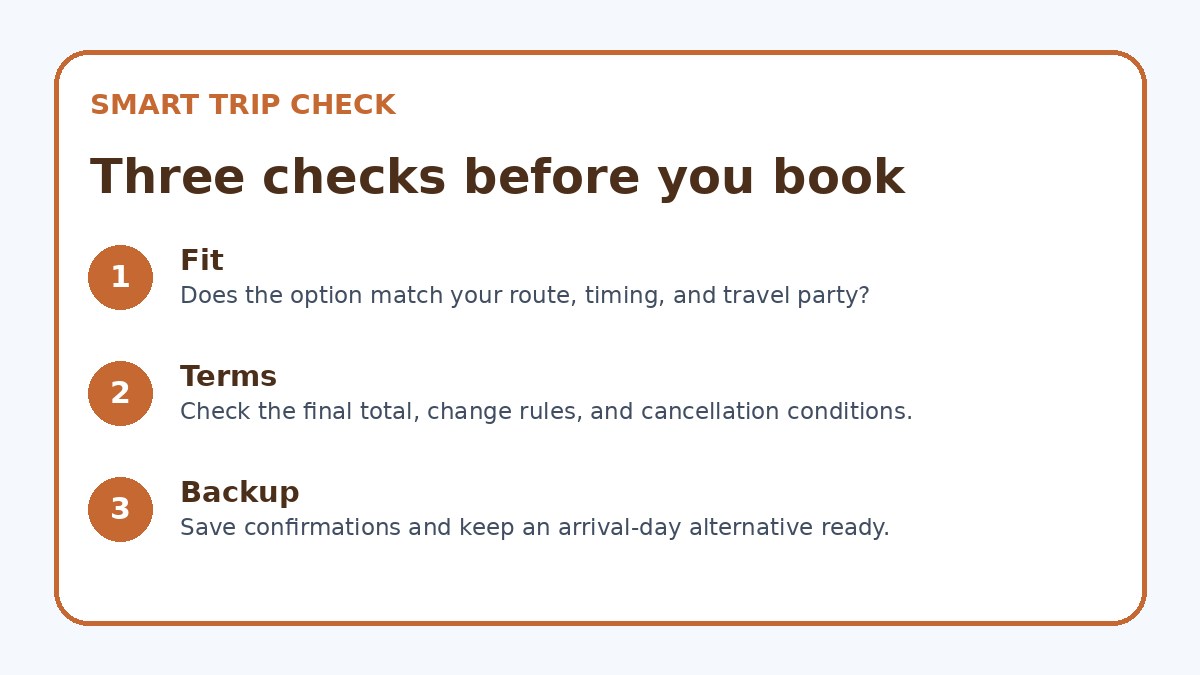
Always have a contingency: a backup ride option, a phone fully charged for last-minute changes, and clear photos of your luggage dimensions to show drivers. Consider purchasing flexible cancellation or change policies so you can upgrade to a larger vehicle if your bag count changes. When finalising any transfer, read the provider’s terms on luggage, waiting times, and cancellations; these details can change, so verify them on the operator’s booking page before confirming.
Frequently asked questions
How much extra time should I allow for airport transfer with oversized luggage?
Allow more time than usual: plan for at least 60–90 minutes buffer for domestic flights and more for international departures. Oversized luggage takes longer to load and unload, and you may need to navigate restricted curbside rules or remote shuttle stops. Add time for potential delays such as traffic, vehicle reallocation, or unexpected security procedures. If you must check items like sports equipment, factor in airline check-in queues as well. Confirm where your transfer stops and whether the driver will assist so you can refine the exact buffer.
Can I rely on a rideshare for multiple large suitcases or sports equipment?
Rideshares can work if you confirm vehicle type ahead of pickup and communicate luggage details with the driver. Many drivers operate sedans with limited boot space; larger vehicles exist but aren’t guaranteed unless explicitly selected in the app. For bulky or fragile items, arrange for a vehicle class that specifies luggage capacity and ask about interior protection and loading help. If the app doesn’t allow you to select an appropriate vehicle, choose a private transfer or small van service and verify those specifications on the provider’s booking page.
What should I check on the provider’s booking page before confirming a transfer?
Look for explicit luggage capacity, vehicle dimensions, terminal stop details, driver assistance policies, waiting times, and cancellation or change terms. If the page lacks these specifics, contact the operator to confirm the exact vehicle model and whether oversized items are accepted. Also check pick-up/drop-off zone maps and whether there are extra fees for bulky items or waiting time. If using an aggregator such as Trip.com, treat it as a comparison tool and always follow through to the provider’s final booking page for definitive luggage and operational details.
Final planning note
Returning to Sydney Airport with extra luggage needs straightforward planning rather than luck. Measure and document your bags, pick a vehicle class that clearly fits them, and build realistic time buffers for loading, curbside access, and check-in. Decide whether convenience or cost is more important: paying a bit more for a guaranteed larger vehicle or meet-and-greet can save time and stress, while mixed modes or shuttle options reduce costs but require careful coordination. Whatever you choose, confirm luggage rules and pickup details on the provider’s final booking page, carry clear contact info, and have a contingency plan so the final airport leg is calm and predictable.
Continue planning
Check current options and final conditions
Use the provider page to confirm live availability, the final total, cancellation terms, and every condition that matters to your trip.
This evergreen planning guide was created with AI-assisted drafting and a structured quality review. It does not display live prices, schedules, availability, visa guidance, or provider rankings. Verify current details before booking. Some links are affiliate links; we may earn a commission at no additional cost to you.