
Practical answer first: when you have extra luggage, the fastest way to improve Bali travel deals is to search with a flexible date window (±3–7 days) and compare fare families with explicit baggage allowances rather than relying on base fares. Prioritize itineraries that sell checked-bag bundles, hold longer connection times, or allow cheap add-ons; then check total door-to-door time and how many times your bags will be handled. If accommodation or activities require large items, factor in domestic transfer limits and potential porter fees. Use the flexible-date calendar on booking sites or airline pages, toggle baggage options to see final totals, and verify rules on the carrier’s final booking page before you pay. This approach reduces surprises and gives you realistic tradeoffs between cost, convenience, and risk to your luggage.
See current options before you compare the details
Availability and final conditions change. Open Trip.com now or keep reading for the practical comparison.
How flexible dates change baggage-cost math
Shifting your travel dates can change which fare buckets and connection patterns appear — and those buckets often include different baggage rules. For example, a ticket two days earlier might be in a fare family that includes one checked bag, while the cheaper date's fare might charge for every bag separately. When you use a flexible calendar, toggle the booking filter to show fares that include baggage or allow a single-click add-on so you can compare total cost for the exact amount of luggage you need.
Be systematic: pick a realistic range (three to seven days each side), set the number and approximate weight of checked items in your search filters, and record the total door-to-door time for each option. A slightly higher fare that includes baggage and reduces transfers often wins when you account for airport taxi costs, potential overweight fees, and the stress and time lost managing extra bags during connections.
Choosing connections and carriers when you have extra bags
Fewer connections mean fewer times your checked luggage is handled — and fewer opportunities for misrouting or delay. When comparing itineraries within your flexible date window, rank options by number of transfers, then by minimum connection time. Longer connections reduce risk if baggage must be rechecked between carriers or if you have to clear transit security and re-drop bags. Also compare whether the same airline or alliance operates both legs; through-checked bags on a single booking are simpler than rechecking at an intermediate airport.
If direct flights are rare or expensive, a well-timed overnight connection can be worth the tradeoff: it lets you keep valuable items in carry-on and minimizes juggling checked luggage during a tight same-day transfer. However, overnight stops add a night of accommodation and possible portering costs, so add those to your flexible-date comparison. Always verify the carrier’s baggage transfer policy on their booking confirmation page before finalizing multi-leg itineraries.
| Approach | Best for | Tradeoff to check |
|---|---|---|
| Flexible +/-3 days, choose baggage-inclusive fares | Travelers who want predictable costs and fewer surprises at check-in | May miss a slightly cheaper base fare; needs careful calendar checking |
| Strict dates, buy bags a la carte | Small extra luggage or fixed schedules where dates can’t change | Risk of higher total cost if checked-bag fees are steep or frequent |
| Accept an overnight connection to split journey | Those transporting fragile or bulky items who prefer fewer same-day transfers | Adds accommodation and transfer costs and increases trip duration |
| Ship large items or rent locally | Oversized equipment that’s expensive to check or risks damage in transit | Potentially higher logistics effort and longer lead time for arrivals |
Ready to check the option that fits your plan?
Use your exact dates and traveler details so the provider page can show the current total and conditions.
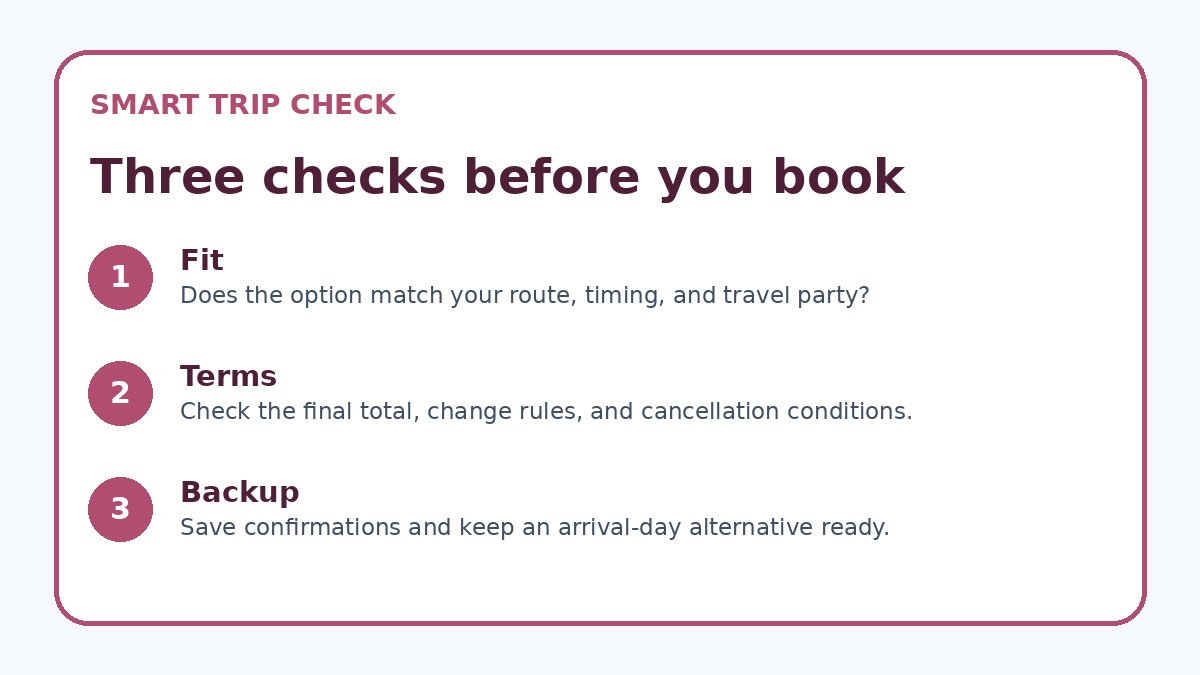
Practical booking strategies to lower risk and cost
Start with an aggregated flexible search tool that shows fare families and baggage options across a span of dates; then open the airline or OTA booking page to confirm exact baggage rules. Many sites display a low base fare first — don’t assume included baggage. Explicitly select the checked-bag bundle in the search or during the booking flow and watch the final total. If you find a cheaper date but it requires buying bags separately, calculate the all-in fare for your required number of bags to compare apples to apples.
Consider refundable or changeable fares if your schedule may shift, but balance that against the higher upfront cost. For extra-large or heavy items (surfboards, musical instruments, scuba gear), check size, packing, and excess fees on the carrier’s final booking page and compare whether shipping or specialized cargo is more practical. Trip.com can be useful to compare availability and show fare families quickly, but always verify baggage allowances and add-on fees on the airline’s confirmation screen before paying.
Before you book
- Open a flexible-date calendar and compare fares at ±3–7 days, then note which dates include checked-bag allowances in the fare family.
- For each candidate itinerary, add the exact number and approximate weight of checked bags to see the final all-in ticket price.
- Prefer itineraries with the fewest transfers or same-carrier connections to reduce handling and recheck risks.
- Verify baggage size, weight, and excess/oversize fees on the airline’s final booking/confirmation page before paying.
- Check hotel arrival logistics for bulky luggage (vehicle access, porter service, stair access) and message the property if unsure.
- Compare the cost and timing of shipping oversized items vs. checking them as airline baggage, including door-to-door logistics.
On-the-ground transfers and accommodation choices in Bali
When evaluating hotels or villas during a flexible-date search, choose properties with luggage assistance or a reputation for easy arrivals if you have bulky bags. Some guesthouses on narrow streets may be inconvenient for bulky suitcases, so prioritize properties near larger roads or with parking for transfer drivers. Also check whether your arrival airport transfer provider includes porter service or whether you'll need a vehicle that can accept oversized luggage.
If your plan includes island-hopping or domestic flights within Indonesia, confirm local carrier baggage limits separately; domestic low-cost flights often have stricter size and weight limits than international tickets. For beach gear and sports equipment, consider renting locally if the hassle and cost of transporting large items outweighs rental prices. Always verify pickup/drop-off logistics and any additional porter or vehicle size fees on provider pages before booking.
Frequently asked questions
Will flexible dates always save me money if I need extra checked bags?
Not always. Flexible dates increase your chances of finding a fare family that includes checked baggage, but savings depend on how much carriers charge for add-ons on nearby dates. Evaluate the all-in cost: base fare plus checked-bag fees, transfer costs, and any overnight stays needed for connections. If the flexible date that looks cheaper forces multiple paid transfers or a high overnight cost, a less flexible but baggage-inclusive fare might be the better value. Always compare totals for the exact luggage you’ll bring.
How many days should I be flexible by when searching Bali travel deals?
A practical range is three to seven days on either side of your ideal travel dates. A narrow ±1–2 day window might miss meaningful fare-family differences, while beyond seven days the schedule and availability patterns can change enough that comparisons become less relevant to your plan. Start with ±3 days and expand if you’re not finding acceptable baggage-inclusive options. Keep in mind personal constraints like work schedules and local event dates that can limit useful flexibility.
If my itinerary has multiple carriers, how can I ensure my checked bags are protected?
First, check whether your booking is on a single ticket; through-ticketed itineraries usually protect transfers and make baggage recheck less likely. If legs are separate bookings, you may need to collect and recheck luggage between flights. Confirm transfer and baggage transfer policies on each carrier’s booking page and consider longer connection times to allow rechecking. Buying travel protection that covers missed connections and baggage delays is another option, but confirm the policy covers separate-ticket situations and the specific carriers involved.
Final planning note
Traveling to Bali with extra luggage is manageable and often less stressful when you use flexible dates strategically. The practical benefit comes from comparing all-in costs across a small date range, prioritizing fewer transfers, and confirming baggage rules on carrier pages before payment. Sometimes paying a little more for an inclusive fare or a slightly longer itinerary saves time, money, and anxiety compared with a low headline fare plus multiple bag fees. Build your comparison around total door-to-door time, baggage handling counts, and clear verification of carrier rules — and you’ll make a better booking decision for both your schedule and your suitcases.
Continue planning
Check current options and final conditions
Use the provider page to confirm live availability, the final total, cancellation terms, and every condition that matters to your trip.
This evergreen planning guide was created with AI-assisted drafting and a structured quality review. It does not display live prices, schedules, availability, visa guidance, or provider rankings. Verify current details before booking. Some links are affiliate links; we may earn a commission at no additional cost to you.