If you’re traveling from Tokyo to Kyoto on business and carrying one or more pieces of luggage, your top priorities are predictability, time control, and minimizing physical effort. The practical answer: prioritize shinkansen or carefully chosen limited express trains when schedule certainty and quick door-to-door time matter; use luggage forwarding services or station lockers when you want hands-free mobility during same-day meetings; and consider highway buses only if cost and overnight travel outweigh longer onboard luggage handling. Before booking, list how many bags, their sizes/weights, and whether you’ll need hands-free time in Kyoto. Those simple facts steer the choice between packing light for the shinkansen, reserving space on an express train, or paying to forward luggage so you can move between meetings unencumbered.
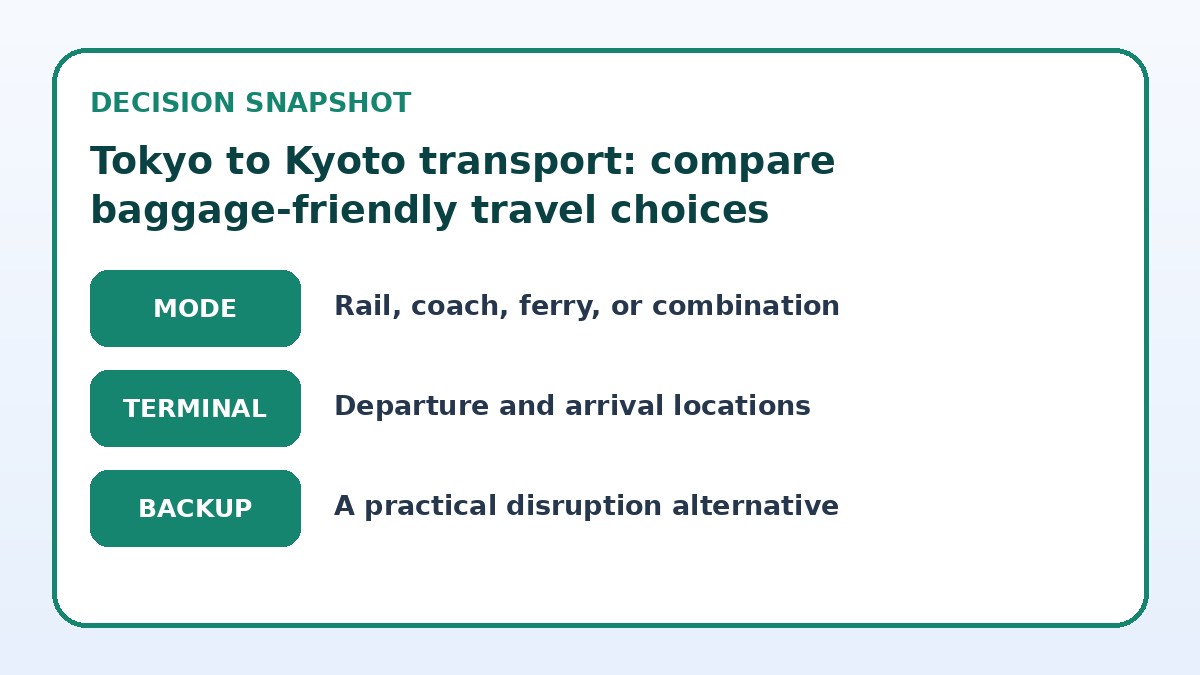
See current options before you compare the details
Availability and final conditions change. Open Trip.com now or keep reading for the practical comparison.
Choosing the right train for business luggage
For business travelers the shinkansen (bullet train) is often the default because it links Tokyo and Kyoto quickly and runs frequently. When planning with luggage, think beyond just departure time: reserve a seat if your bag is large or if you need a guaranteed space to put it at the carriage end. Unreserved cars can be crowded, making boarding and stowing awkward with business bags. Also factor in the walk between your arrival platform and taxi or subway lines—some stations have long corridors and escalators that increase transfer time when carrying heavy cases.
Compare shinkansen options by checking whether reserved seats include clear luggage stowage at the carriage ends, whether overhead racks accommodate your bag dimensions, and how many transfers are required at each station. If you have compact bags and can travel light, unreserved cars are flexible; for larger suitcases, a reserved seat or a green car (if available and relevant) reduces stress. Finally, when exact train departure or arrival time is essential, prefer services with fixed reservations so you’re not waiting for the next available car in case of delays or full trains.
Using luggage forwarding and hotel delivery
Luggage forwarding (takuhaibin) is widely used across Japan to move suitcases between addresses—hotel-to-hotel or station-to-hotel—often arriving the next day. For business travelers who need to be hands-free between meetings, forwarding large or multiple bags to your Kyoto hotel before arrival can be transformative: you travel with a small carry-on or a briefcase, avoid station stairs and crowded platforms, and maintain mobility. Decide if you need same-day delivery or next-day service and confirm deadlines; those deadlines are critical because missed pickup windows can leave you carrying the bag anyway.
When booking forwarding, verify exact pickup and delivery addresses and any required contact numbers; small errors cause delays. If your company pays, get a receipt and check the provider’s liability rules for valuable items. Also think about timing: forwarding from a Tokyo hotel on the morning you travel typically delivers the next day, but some providers offer expedited options for an additional fee. Always check the forwarding provider’s final booking page for cut-off times, coverage areas, and restrictions on fragile or restricted items.
| Approach | Best for | Tradeoff to check |
|---|---|---|
| Shinkansen with reserved seat | Business travelers needing predictable schedules and minimal transfers | Higher fare potential and some limits on oversized bags; verify carriage luggage rules before booking |
| Luggage forwarding (takuhaibin) | Travelers who need hands-free mobility for same-day meetings | Requires advance booking and adherence to pickup cut-offs; confirm delivery timelines on the provider page |
| Station lockers and short-term storage | Short errands or meetings near stations when you don’t want to carry bags | Availability varies and lockers may not fit large suitcases; identify alternatives in advance |
| Highway bus or budget trains | Cost-conscious travelers willing to trade travel time for easier luggage space | Longer journey times and less schedule certainty; check boarding points and luggage policies |
Ready to check the option that fits your plan?
Use your exact dates and traveler details so the provider page can show the current total and conditions.
Station storage and local mobility in Kyoto
Short-term station lockers and manned luggage storage facilities let you drop bags for a few hours while you attend meetings or visit a client. Major stations in Kyoto and Tokyo have coin lockers of varying sizes, but availability fluctuates with peak tourism and commuter hours. Map at least two storage options near where you will be working—one at your arrival station and another within walking distance of your destination—because full lockers are common at busy times. For longer storage, some stations have staffed counters that accept luggage for a fee and issue receipts.
When relying on lockers or storage, check the maximum dimensions and retrieval windows because oversized suitcases won’t fit and some lockers may require exact change or app-based payment. Consider a backup plan like a short taxi trip to a nearby hotel concierge willing to hold a bag for a few hours if lockers are full. Always note the opening hours of the storage facility you choose; some close earlier than stations and won’t be available for late-night arrivals or early departures.
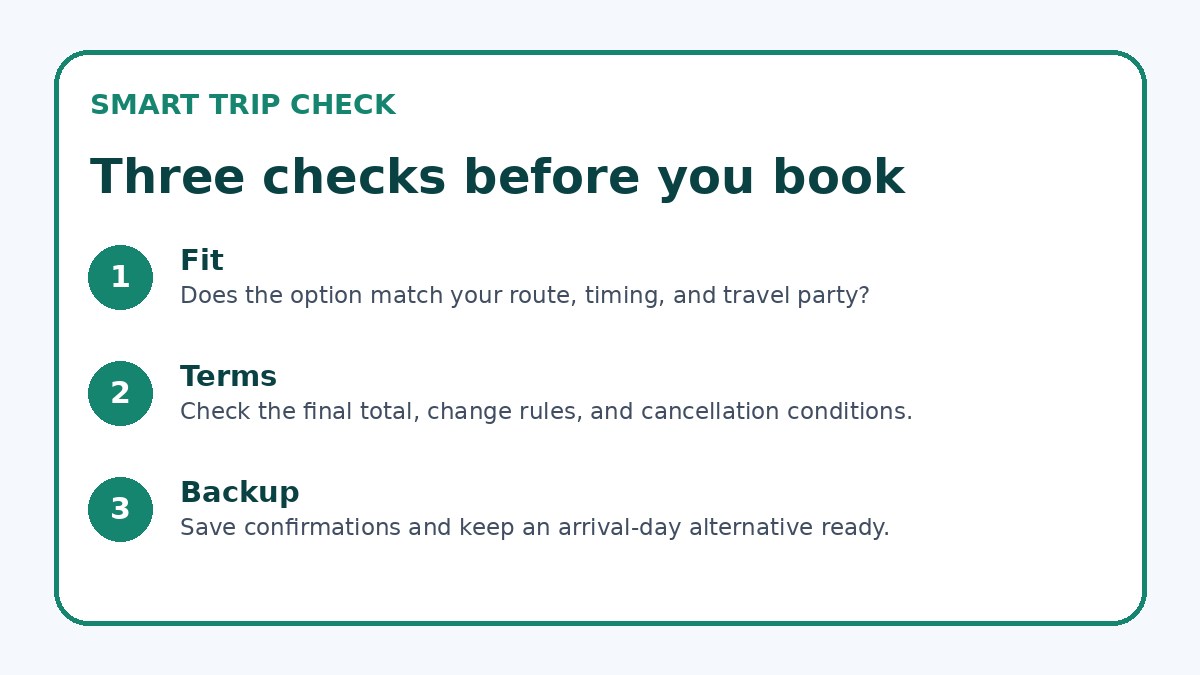
Before you book
- Measure and weigh every bag and record dimensions to check against carrier luggage limits and locker sizes.
- Decide whether you need hands-free time in Kyoto; if yes, book luggage forwarding and confirm pickup deadlines.
- If taking the shinkansen, reserve seats on the specific train to guarantee carriage-end luggage space.
- Identify at least two storage options near your arrival station—coin lockers and a staffed facility as backup.
- Map the walking route and transfer time from your arrival platform to taxis or subways with your luggage in mind.
- Confirm pickup and delivery addresses and keep a printed booking receipt or provider confirmation for luggage services.
Buses, connecting trains and tradeoffs for busy schedules
Highway buses between Tokyo and Kyoto can be cheaper and allow large luggage in undercarriage bays, but they usually take longer and are sensitive to road traffic. For overnight travel they remove a hotel night from your schedule, which sometimes appeals to companies balancing travel days, but you should weigh the extra onboard time against the convenience of arriving ready for morning meetings. Buses also have fixed pickup and drop-off points that may or may not line up with your hotel location, creating the need for additional local transfers.
If you consider connecting trains instead of a direct shinkansen, evaluate the number of transfers, platform changes, and the extra minutes needed to stow and retrieve luggage between connections. A slightly slower direct service with generous baggage space could beat a faster itinerary that requires multiple train changes with heavy cases. When comparing options, list door-to-door journey time, number of transfers, luggage handling steps, and the likelihood of delays—this checklist will clarify whether convenience, cost, or speed should dominate your decision.
Frequently asked questions
Can I bring a large suitcase on the shinkansen between Tokyo and Kyoto?
You can bring a large suitcase on the shinkansen, but storage space is limited and rules vary by carriage and train service. For the least hassle, reserve a seat that specifies luggage accommodation or choose a car with dedicated luggage areas at the carriage end. If your suitcase exceeds typical overhead or end-space dimensions, consider sending it by luggage forwarding or plan extra time for boarding and stowing. Always check the specific carrier’s luggage policy and any size restrictions on the booking page before you travel.
How reliable is luggage forwarding for same-day delivery to a Kyoto hotel?
Luggage forwarding is generally reliable, but delivery windows and cut-off times vary by provider and pickup location. Many services offer next-day delivery as standard and expedited options for same-day arrival in some corridors; availability depends on pickup time and the provider’s route schedule. To avoid surprises, ask your hotel or the forwarding service about exact collection deadlines and whether the hotel will accept an early-morning drop-off. Confirm terms and liability limits on the provider’s booking page before handing over your baggage.
What are good backup plans if station lockers near Kyoto are full?
If lockers are full, look for staffed baggage storage counters at the same station, which often handle oversized items but may have limited hours. Another option is to arrange with your hotel to accept luggage early or to use a private luggage service to transfer items directly. Taxis can also carry you to a nearby hotel or storage facility with availability, which may be faster than searching multiple stations. Make sure to note opening hours and service cut-offs when you plan these backups.
Final planning note
Picking the best transport approach from Tokyo to Kyoto with luggage comes down to aligning your schedule needs with luggage handling preferences. If tight timing and predictability matter most, reserve a shinkansen seat and factor platform transfers into your itinerary. If you want freedom to move between meetings without heavy bags, forwarding to your Kyoto hotel or using staffed storage is a practical choice—just verify pickup and delivery windows. For cost-conscious plans, buses and budget trains can open flexible luggage allowances but expect longer travel times. Before you book, measure your luggage, identify backup storage options, and read the provider’s final booking page for exact luggage rules and timing to avoid last-minute surprises.
Continue planning
Check current options and final conditions
Use the provider page to confirm live availability, the final total, cancellation terms, and every condition that matters to your trip.
This evergreen planning guide was created with AI-assisted drafting and a structured quality review. It does not display live prices, schedules, availability, visa guidance, or provider rankings. Verify current details before booking. Some links are affiliate links; we may earn a commission at no additional cost to you.