If you’re traveling from Toronto to Montreal with more than the usual carry-on, the practical choice depends on how many bags, how heavy they are, and how much handling you’re willing to do. Trains usually offer generous luggage space and simpler transfer logistics; buses can be cheapest but add loading time and size restrictions; flying may be fastest but increases handling, checked-bag rules, and transfer complexity; driving gives full control over your stuff but adds fatigue and parking considerations. Start by listing each bag’s size and weight, whether items are fragile, and how many times you want to avoid lifting them. Use that list when comparing providers’ luggage allowances, station access, transfer steps, and pick-up/drop-off options. Verify any provider rules on their official booking page (or through a comparison source such as Trip.com) before committing a booking.
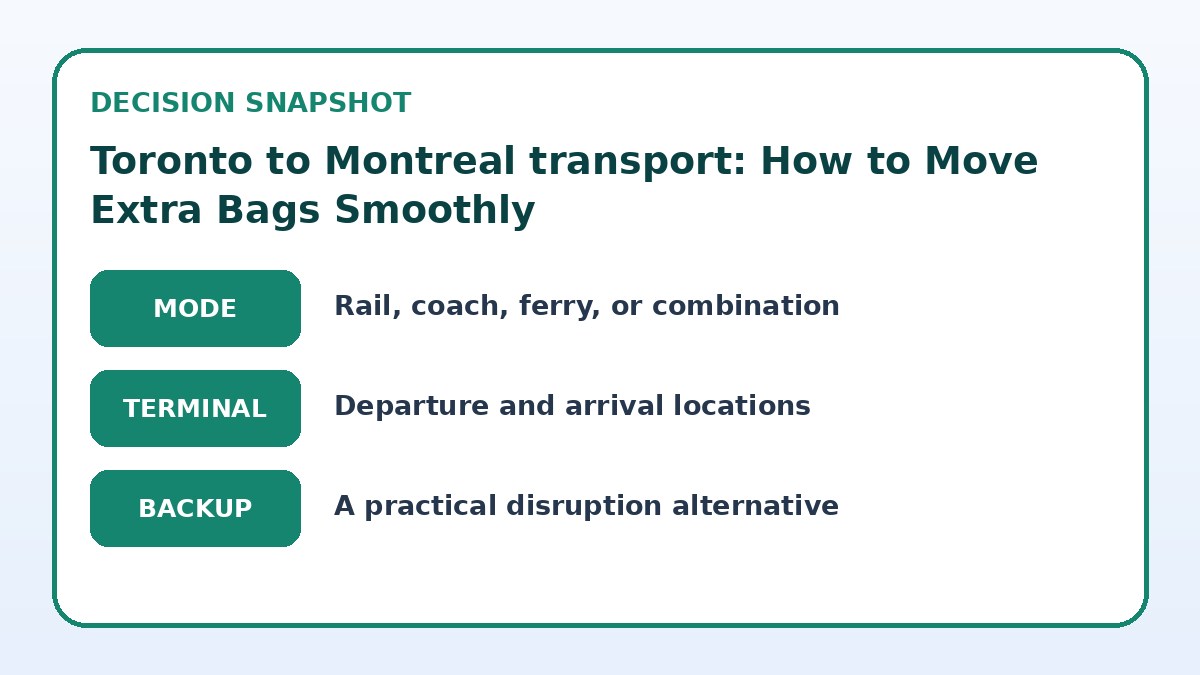
See current options before you compare the details
Availability and final conditions change. Open Trip.com now or keep reading for the practical comparison.
Why luggage rules matter more than ticket cost
When you travel with extra luggage, the visible ticket price is rarely the whole story. Many operators have per-bag or per-kilogram limits, special handling requirements for skis or large boxes, and different tolerances for fragile items. A low fare that adds significant handling fees or forces you to split items between shipments can become more expensive and more stressful than selecting a slightly pricier option with simpler rules. Think about physical handling too: how many times will your bag be lifted, moved between vehicles, or carried up and down station stairs? That labor and risk of damage are part of the true cost.
Decide which factors are negotiable for you. If speed is essential, accepting airline handling and checked-bag processes might make sense despite extra steps. If minimizing transfers and touch points is the priority, a direct ground option such as a train or driving yourself often reduces handling phases. Once you know your priorities, you can use provider pages to verify allowances, confirm whether a reservation or extra fee is needed for oversized items, and check details like onboard storage locations and station accessibility.
Train travel: balance of space and convenience
Trains between Toronto and Montreal tend to be the most luggage-friendly public option because they offer open luggage racks, generous floor space near doors, and fewer weight-focused fees. For travelers with bulky suitcases, boxes, or odd-sized gear, trains reduce the number of times bags are handheld and simplify transfers inside city centers. Before booking, check whether the service includes dedicated baggage rooms, any per-item rules, and where luggage is typically stored on board. Also verify station layouts and whether elevators or ramps are available at departure and arrival stations to avoid carrying heavy bags up stairs.
Consider how many changes or transfers are in a chosen itinerary: a direct train keeps handling minimal compared with options that require changing trains or using urban transit between intercity stations. If you need help at the station, some rail services offer porter assistance or wheelchair-style handling on request—confirm availability on the operator’s booking page. Finally, think about luggage security: keep valuables in a carry-on you can stow near you and use locks for checked or stored bags when possible.
| Approach | Best for | Tradeoff to check |
|---|---|---|
| Direct train | Travelers wanting minimal handling and city-center arrival | May require elevator access and has platform-level storage limits |
| Intercity bus | Budget-conscious travelers with standard-sized bulky items | Longer loading/unloading times and stricter size limits |
| Flight with checked baggage | Those prioritizing speed over door-to-door simplicity | More handling phases, strict weight rules, and airport transfers |
| Drive or rent a vehicle | Moving many or fragile items with full control over packing | You manage all driving, parking, and potential fuel/toll costs |
Ready to check the option that fits your plan?
Use your exact dates and traveler details so the provider page can show the current total and conditions.
Buses and flights: tradeoffs for bulky or many pieces
Intercity buses can be a competitive option for people with extra luggage, but they have brown-bag-style tradeoffs: underfloor compartments accept bulky items but often enforce size and weight limits and require staff to lift and stow your bags. Buses may be cheaper on face value, but loading and unloading at stops adds time and risks for jostling. Ask whether each ticket includes checked-luggage in the fare and whether oversized items need a special reservation. Also confirm the drop-off point in Montreal—some terminals are curbside rather than in a station, which affects how you’ll move luggage onward.
Flying shrinks transit time but multiplies handling phases—bag drop, TSA or security procedures, checked-bag processing, and travelling between airports and city centers. Airlines commonly set both per-bag weight and size limits, and oversized or heavy bags may face extra charges or require advance notice. If you plan to fly, compare the total door-to-door journey, including time and friction to get from Toronto and into central Montreal, and verify baggage allowances on the airline’s booking page before purchasing.
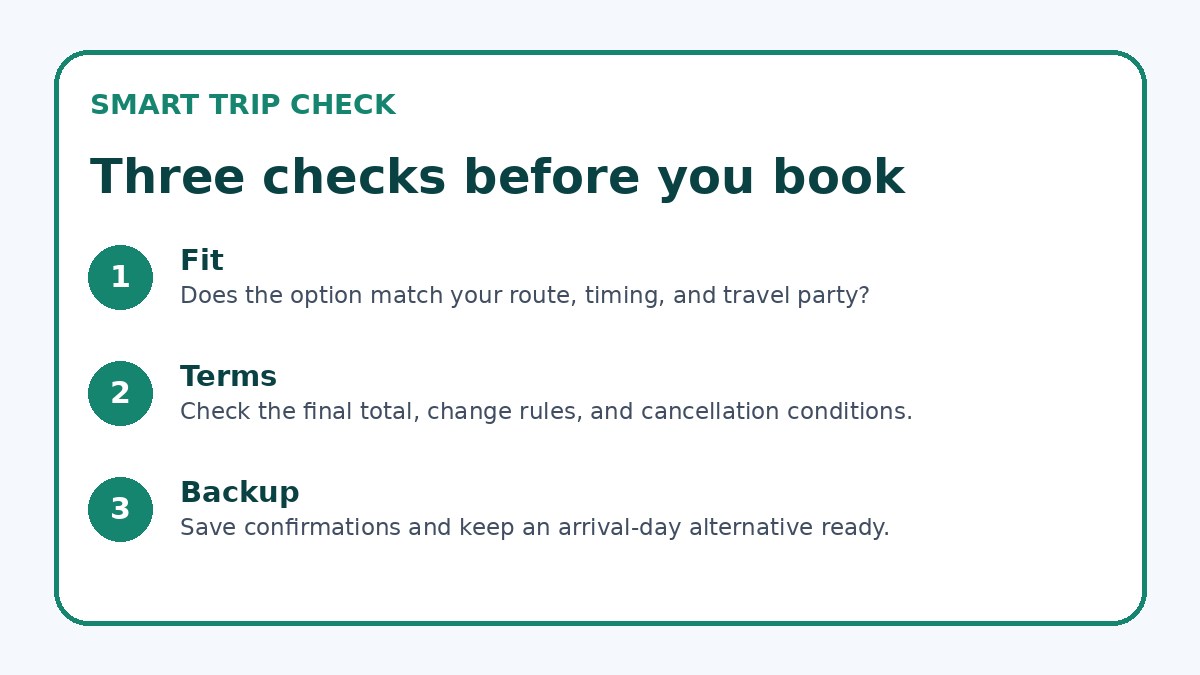
Before you book
- List every bag with approximate weight and dimensions so you can compare provider limits precisely.
- Contact the carrier or check the booking page to confirm oversized or sports-equipment policies and any required reservations.
- Plan door-to-door logistics: station or terminal access, elevator availability, and how far your vehicle can approach for drop-off.
- Pack valuables and fragile items in a carry-on you keep with you to reduce risk during transfers.
- If shipping items ahead, get written tracking, pickup/delivery windows, and declared value insurance.
- Reserve assistance (porter or wheelchair service) with the operator in advance if you need help lifting or loading.
Driving and shipping: control vs responsibility
Driving your own vehicle gives you full control over packing, stops, and how your luggage is secured, making it attractive if you’re moving lots of gear or fragile items. Consider load distribution for safe handling, what roof or hitch options you may need, and whether any items require protective coverings or shrink-wrapping. You also need to plan for parking at both ends and potential tolls or traffic delays. If you are traveling with a group, sharing driving duties and costs can make this the most convenient approach for heavy loads.
If you prefer not to manage everything yourself, shipping a subset of your baggage ahead can reduce the burden on travel day. Couriers and freight services vary in packaging requirements, pickup windows, and delivery times—so coordinate timelines carefully and insure valuable items appropriately. Always confirm delivery windows and tracking options, and get a written receipt with declared value. Whether driving or shipping, think about arrival logistics in Montreal: where you can park, unload, and whether someone will be available to help if you need assistance moving heavy items.
Frequently asked questions
How many bags can I bring on trains between Toronto and Montreal?
Rail operators vary in how they describe luggage allowances—some set a per-passenger recommendation rather than a strict number. For planning, count your bags and check the provider’s baggage policy on its official booking page, paying special attention to dimensions for oversized items. Also verify whether a particular train requires reservations for large pieces or if there are dedicated luggage areas. If you have exceptionally large or heavy items, contact the operator directly before booking to confirm whether they can be accommodated.
Is it easier to manage extra luggage if I fly instead of taking ground transport?
Flying shortens travel time but increases the number of handling steps: drop-off at the airport, baggage processing, and transfer to downtown Montreal. Airlines enforce checked-bag weight and size rules and may charge fees for overweight or oversized items. If avoiding repeated lifting and transfers is your priority, a ground option like a direct train typically reduces touchpoints. If you still prefer to fly, verify baggage allowances and airport transfer options on the airline and airport pages to ensure your full route remains practical.
Can I ship some of my luggage ahead to Montreal and is it worth it?
Shipping reduces what you carry on travel day and is useful for bulky or non-urgent items, but it adds coordination: you must arrange pickup, choose delivery timing, and insure valuable goods. Check courier pickup schedules and expected delivery windows to ensure items arrive when you do. Factor in the cost and any packing requirements; sometimes shipping a single oversized item is cheaper and less stressful than arranging special transport through a carrier. Always get tracking and a receipt with declared value.
Final planning note
Choosing how to travel from Toronto to Montreal with extra luggage comes down to balancing handling, convenience, and control. Trains often strike the best balance for bulky but standard luggage thanks to straightforward storage and central station access; buses can work for single large items on a tight budget but add loading delays; flights reduce travel time at the cost of more phases and baggage rules; driving gives the most control but requires you to manage packing and parking. Before booking, inventory your bags, prioritize handling versus speed, and verify luggage rules on the provider’s official booking pages. If you want to compare current schedules and policies in one place, sites like Trip.com can help you see options, but always confirm details directly with the operator.
Continue planning
Check current options and final conditions
Use the provider page to confirm live availability, the final total, cancellation terms, and every condition that matters to your trip.
This evergreen planning guide was created with AI-assisted drafting and a structured quality review. It does not display live prices, schedules, availability, visa guidance, or provider rankings. Verify current details before booking. Some links are affiliate links; we may earn a commission at no additional cost to you.