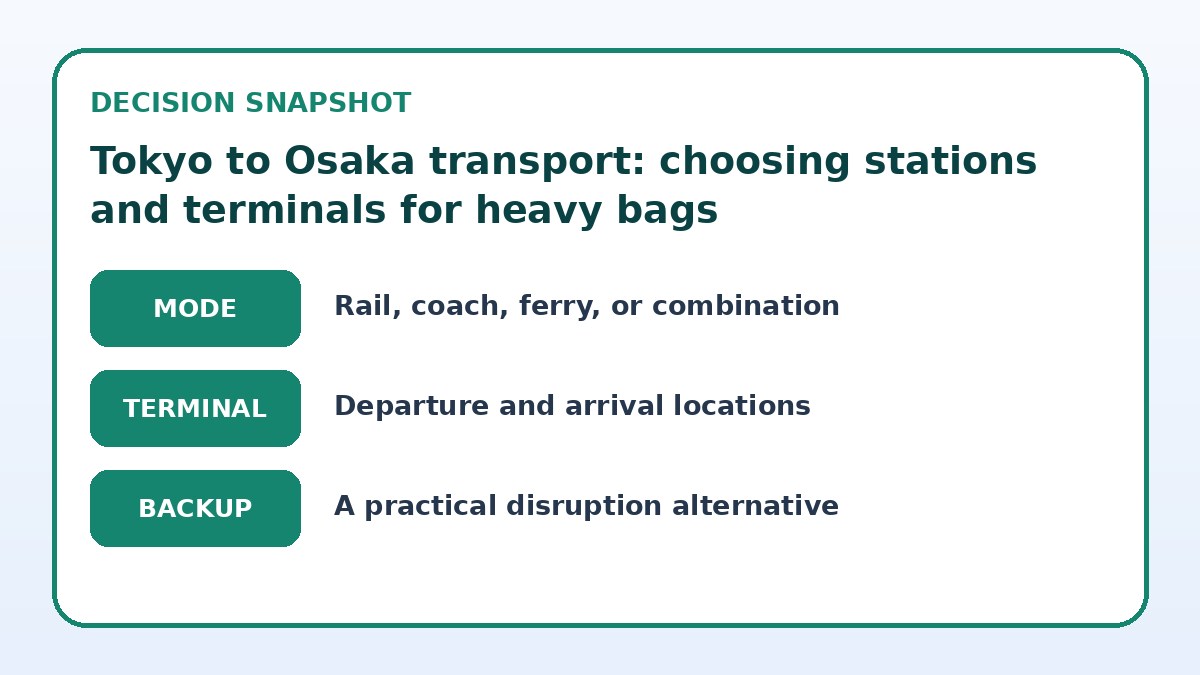
If you’re traveling from Tokyo to Osaka with bulky suitcases, musical instruments, or lots of camera gear, the most useful decision right now is which route and which stations minimize handling and long pedestrian transfers. Choose an itinerary that reduces the number of station changes, uses stations with elevators and wide passageways, and lets you book reserved seats or luggage-friendly services. Compare direct high-speed (shinkansen) options that depart from major Tokyo terminals against slower or connecting services that may start at different stations. Factor in where you’ll arrive in Osaka — some terminals place you much closer to hotels or onward trains than others. This article gives clear choices, explains tradeoffs, and lists exactly what to verify on provider booking pages before you finalize anything.
See current options before you compare the details
Availability and final conditions change. Open Trip.com now or keep reading for the practical comparison.
Which Tokyo stations to consider and why
Tokyo offers several major departure points for travel to Osaka; the choice matters more when you have extra luggage. Larger terminals like Tokyo Station and Shinagawa Station are built for long-distance services, have multiple elevators, luggage storage, and clear signage. Smaller local stations may force you to navigate stairs, narrow tunnels, or longer surface transfers to reach the correct platform, which can be a heavy physical and time cost. If a shinkansen service is available from a main terminal it typically reduces platform changes—shinkansen platforms are designed for quick boarding but can still have crowded corridors at peak times.
When comparing Tokyo stations, map out the walking route from your accommodation to each terminal including whether you’ll need to change subway lines. Look for stations with step-free access and smaller transfer distances between lines. If your hotel or meeting point is on the other side of the city, a slightly longer rail ride with a single transfer might still be easier than hauling luggage across multiple station concourses. Before booking, confirm elevator locations and station entrance names on the operator or station map to avoid surprises on travel day.
Arrival terminals in Osaka: match arrival point to next step
Osaka has several arrival stations and terminals; choosing the one closest to your onward plan reduces another heavy transfer. Shin-Osaka Station is the main high-speed rail hub for shinkansen services and links directly to local lines and hotel clusters by short walk or transfer. Osaka Station and Namba area stations serve different parts of the city and differing onward connections. If your final destination is in central Osaka, arriving at the station with the shortest onward journey (on foot, by subway, or taxi) will save time and energy when handling bulky bags.
Think about how you’ll leave the station after arrival: will you be taking another train, a long subway ride, or a taxi? Larger arrivals often have taxi ranks, porter services, and station coin lockers, but these amenities vary. If you intend to check into a nearby hotel, search hotels’ proximity to the arrival terminal and whether they offer luggage hold or early check-in options. Verify the station layout and exit names on official maps so you can plan the shortest, step-free route from platform to exit.
| Approach | Best for | Tradeoff to check |
|---|---|---|
| Direct shinkansen from main Tokyo terminals | Travelers who want fewer transfers and predictable boarding at large stations | May require getting to a major terminal farther from your lodging |
| Local train plus shinkansen with a single transfer | Those balancing travel cost or proximity to a non-central hotel | Adds one transfer and potential station walking with luggage |
| Luggage-forwarding (takkyubin) | Travelers who prefer hands-free transfers and door-to-door delivery | Requires scheduling, size limits, and a gap between pickup and delivery |
| Taxi or private transfer between stations | Groups or travelers with very heavy or awkward items needing step-free movement | Higher cost and possible vehicle size limits; needs advance confirmation |
Ready to check the option that fits your plan?
Use your exact dates and traveler details so the provider page can show the current total and conditions.
Transfer strategies at stations when you have heavy luggage
Minimize transfers: every change increases the chance of stairs, narrow passages, and crowded platforms. If you must change trains, allow generous buffer time and pick transfer routes that stay within the same station complex. When changes cross different operator zones or require exiting and reentering through ticket gates, plan for extra time and ticketing complexity. If elevators or ramps are scarce, consider hiring a taxi between nearby stations to avoid tight transfers with oversized luggage.
Reserve seats and consider seat placement choices that keep your luggage nearby. On many services you can book seats near carriage end doors where space beside the doorway is larger and easier for brief stowage while boarding. If the operator offers dedicated luggage areas or racks, verify those options on the booking page; if not, plan to use overhead racks for smaller bags and the carriage ends for larger items. For long connections, consider a short-term locker or station baggage service to avoid carrying bags during a lengthy transfer.
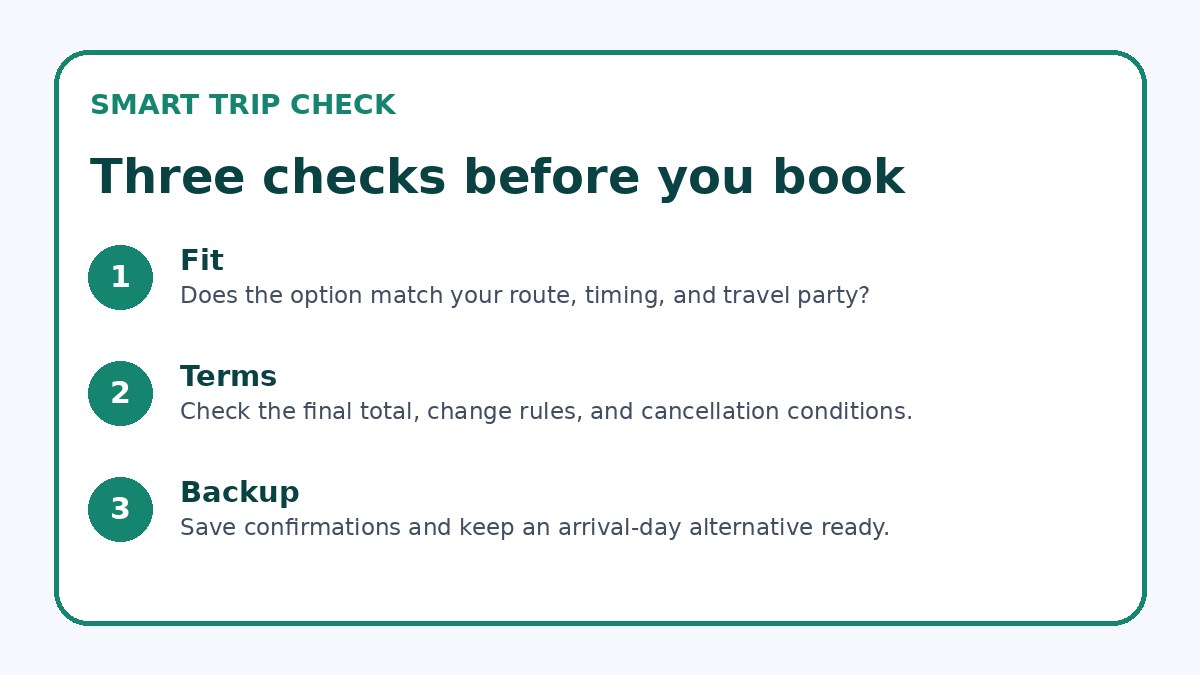
Before you book
- Confirm which Tokyo departure station is closest to your accommodation and whether it has step-free access to the relevant platforms.
- On the booking page, verify luggage allowances, reserved-seat policies, and any mention of dedicated luggage areas for your chosen service.
- Check station maps for elevator locations, transfer walking distances, and named exits you will use on travel day.
- Decide whether to arrange luggage-forwarding and confirm pickup/delivery windows, size/weight limits, and drop-off locations.
- If using coin lockers or manned baggage services, identify sizes available at arrival and departure stations and alternative storage options.
- Allow generous transfer time in your itinerary and have a contingency plan (taxi, hotel hold, or forwarding) in case of delays.
Luggage-forwarding, lockers, and last-mile options
Luggage-forwarding (takkyubin) is a popular option in Japan for reducing station burden: companies collect from hotels or certain stations and deliver to hotels or terminals. This removes the need to wrestle bags through transfers, but you must schedule pickup and delivery windows and check weight and size limits on the provider’s booking page. For same-day tight connections or early departures, forwarding might not be feasible; in those cases, using station coin lockers or manned baggage services near your arrival or departure station can bridge gaps, but locker size and availability can be limited.
If you prefer to keep your bags with you, plan for last-mile carriage: compact rolling luggage with sturdy wheels, luggage straps, and a comfortable daypack for essentials reduce hassle. For door-to-door convenience or when transfers include stairs, book a taxi or airport-style transfer for the final leg; taxis in Japan can accommodate larger items but confirm vehicle size when booking. Always verify pickup/drop-off points and any size limitations on provider pages for forwarding services, taxis, or reserved luggage areas.
Frequently asked questions
Is it easier to take a shinkansen or local trains when I have large suitcases?
Shinkansen services typically involve fewer changes and use major terminals that are better equipped for large luggage, which often makes them easier when you have big suitcases. However, reaching a shinkansen departure terminal from some Tokyo neighborhoods can require a long subway or surface transfer, which may offset that convenience. Compare the total door-to-door route: if getting to the shinkansen terminal means multiple subway transfers, a local train that starts nearer to your lodging but requires one shinkansen change could be the lower-effort option. Always check elevator locations and station transfer walking distances before you book.
How do I arrange luggage-forwarding and what should I verify?
Arrange luggage-forwarding by contacting a takkyubin provider or asking your hotel to arrange pickup; many providers accept bookings at station kiosks or hotel front desks. Before scheduling, verify the provider’s pickup and delivery windows, size and weight limits, whether the destination accepts delivered luggage (some small hotels require special arrangements), and any required labeling. Check the provider’s policy for same-day or next-day delivery, and confirm the pickup point address and the exact delivery location so you don’t arrive expecting delivery to a staffless drop-off.
What if elevators or lockers at stations are full or unavailable?
Have a backup plan if station elevators or lockers are crowded: identify the closest staffed baggage services that accept items for short-term storage, look for nearby hotels that will hold bags for a fee, or be prepared to take a taxi for the short leg between stations if stairs are unavoidable. On the booking page for trains or shinkansen, note recommended luggage practices and any carriage restrictions. When timing is tight, allow extra buffer in your schedule so you can use an alternate option without missing connections.
Final planning note
When traveling Tokyo to Osaka with extra luggage, choose the combination of departure station, arrival terminal, and services that minimizes the number of physical handlings and long station walks. Major stations and direct shinkansen rides reduce transfers but may not be closest to your lodging; luggage-forwarding and pre-booked taxis are reliable ways to skip difficult transfers but require scheduling and size checks. Before you book, confirm elevator locations, reserved-seat policies, luggage allowances, and any forwarding deadlines on the provider’s booking or station pages. A few minutes spent matching station layouts and arrival points to your onward plan will save you heavy lifting and stress on travel day.
Continue planning
Check current options and final conditions
Use the provider page to confirm live availability, the final total, cancellation terms, and every condition that matters to your trip.
This evergreen planning guide was created with AI-assisted drafting and a structured quality review. It does not display live prices, schedules, availability, visa guidance, or provider rankings. Verify current details before booking. Some links are affiliate links; we may earn a commission at no additional cost to you.