If you're traveling from Tokyo to Kyoto and this is your first trip in Japan, the most useful planning decision is picking which station in Tokyo to depart from and which Kyoto station to arrive at, then matching your transfer options to your luggage and schedule. For many visitors the question reduces to Shinjuku/ Tokyo Station departures versus convenience for your hotel and whether you prefer a single-seat high-speed train or a route with a connection that better fits evening arrival times. This article concentrates on station and terminal transfers: where to start and finish in each city, practical transfer methods (walk, subway, local train, taxi), and what to confirm on booking pages. Follow the quick points and checklist to make a decision you can comfortably execute on travel day.
See current options before you compare the details
Availability and final conditions change. Open Trip.com now or keep reading for the practical comparison.
Which Tokyo station should you start from?
Tokyo has several major stations that serve long-distance trains; the practical choice depends on where you are staying and how you plan to get to the departure platform. If you are in central Tokyo, consider the station with the shortest and simplest transfer—walking or one subway ride beats long rides across the city when you have luggage. Also look at whether the departure station has direct Shinkansen services or requires a transfer to a Shinkansen station; each option changes how you arrive at the platform and the time you should allow.
When evaluating stations, think about luggage moves and mobility. If you have heavy bags, favour stations with elevator/escalator access and fewer platform transfers. If you travel light, using a station that requires one quick subway transfer might give you better timing or a wider range of departure times. Confirm vertical circulation and platform directions on the operator’s site or station maps so you know whether you need to switch concourses at the last minute.
Arriving in Kyoto: station choices and onward transfers
Kyoto’s main long-distance arrival points put you at different distances from tourist areas and neighborhoods. A central arrival station often means shorter taxi rides or a direct walk to many hotels, while secondary stations can be preferable if your accommodation or attractions lie in their direction. Also consider whether your arrival platform connects easily with buses, subways, or local trains that reach your final destination without a long hike between platforms or ticket gates.
Think ahead about terminal transfers after you arrive. If you plan to continue by local rail or bus, check how soon connecting services depart and how long transfers typically take—some transfers involve exiting one station complex and walking along streets to another. If you care about a quick pickup or private transfer, confirm where drivers commonly meet travelers; stations often have designated taxi stands or meeting points near exits, but the exact location can vary, so note the exit name.
| Approach | Best for | Tradeoff to check |
|---|---|---|
| Direct high-speed train (no transfers) | Travelers prioritizing simplicity and fewer platform changes | May have limited departure times and less flexibility with late arrivals |
| One-connection rail itinerary | Those needing more schedule options or lower-cost timing | Adds transfer risk and requires careful timing and knowledge of station layouts |
| Depart from a closer local Tokyo station and transfer to Shinkansen | Visitors staying away from central Tokyo who want minimal initial travel | May involve an extra transfer within the city and more walking with luggage |
| Use a taxi or luggage-forwarding service for transfers | Travelers with heavy bags, mobility limits, or late arrivals | Higher direct cost and potential delays from road traffic |
Ready to check the option that fits your plan?
Use your exact dates and traveler details so the provider page can show the current total and conditions.
Comparing direct routes versus connections
Direct high-speed trains give the simplicity of a single seat and fewer platform changes, reducing stress when you have luggage or tight onward plans. However, direct services may run on fixed schedules that don't match your arrival in Tokyo or departure preference; alternative options with one connection can fill schedule gaps and sometimes open earlier or later travel windows. When comparing, weigh how many platform transfers each option requires and whether those transfers are within the same station complex or involve exiting and re-entering through ticket gates.
If you consider a connecting itinerary, factor in minimum transfer times that allow you to move between platforms and, if necessary, purchase or validate tickets. Tight connections increase the risk of missing a leg and may leave you spending time sorting replacements. On the other hand, connections sometimes let you use different rail companies or take advantage of timetable flexibility. Always check the latest detailed timetable and platform information on the rail operator’s booking page before committing.
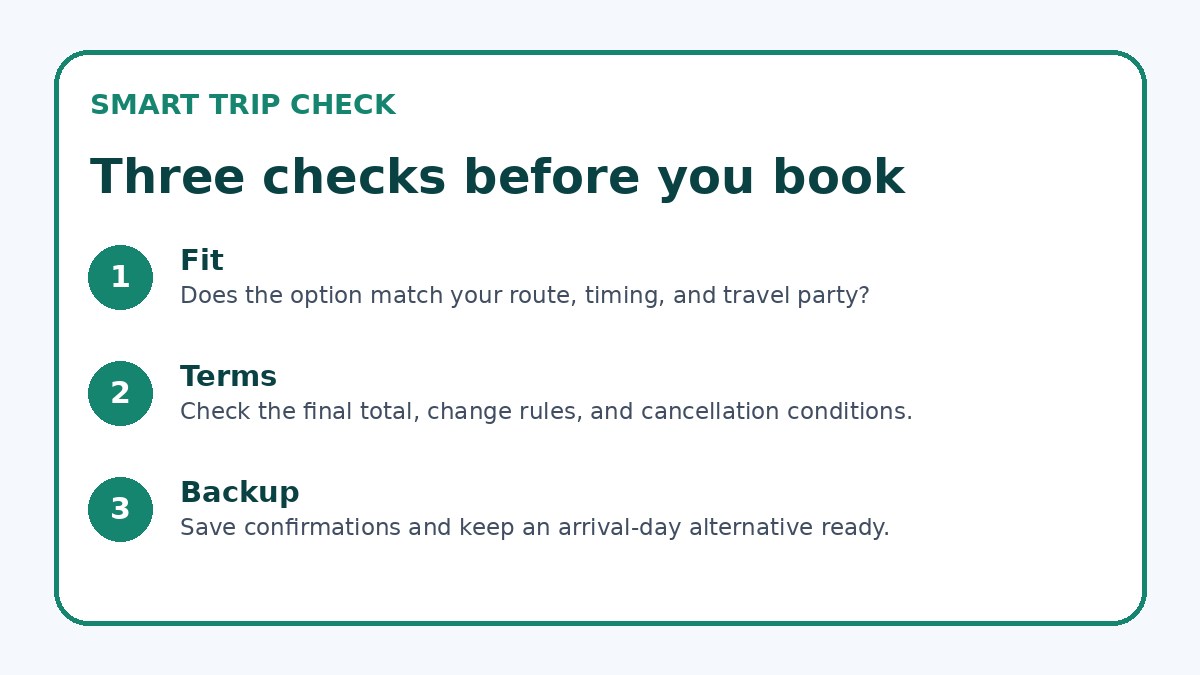
Before you book
- Confirm exactly which Tokyo station and platform your chosen service departs from on the official operator’s booking page before leaving your hotel.
- Map the exits at your Tokyo and Kyoto stations and note the nearest taxi stand or bus stop for your final connection.
- If you have heavy luggage, check luggage forwarding service hours and delivery conditions on the provider’s site and arrange pickup a day before travel.
- Allow extra buffer time for moving between concourses and Shinkansen platforms—add at least 20–30 minutes for unfamiliar large stations.
- If booking a connection, verify minimum transfer times and platform changes on the timetable page; avoid options with only a few minutes between trains.
- If you plan to take a taxi for a transfer, confirm meeting points and estimate road travel time for the time of day you’ll be traveling.
Practical transfer methods and handling luggage
Decide how you’ll move between terminals and stations: walking, subway, local train, airport-style people movers, or taxis. Walking is fastest when distances are short and your bags are manageable; subway or local rail is best when the walk would be long or the route follows a direct line. Taxis are convenient with heavy luggage or late arrivals, but note local traffic can be slow during rush hours, so budget extra time. Where available, luggage forwarding services can remove the burden of carrying bags between stations and hotels—check provider rules and delivery windows on their sites.
Plan for platform navigation and time buffers. Large station complexes often require long walks from concourses to Shinkansen platforms and have multiple exits; add at least a few extra minutes compared to smaller stations. If you rely on station signage, remember that English signage is common but not universal; keep a map screenshot and exit names handy. Before you travel, confirm platform assignments and whether you need an express transfer corridor or a reserved-seat ticket that specifies a boarding car to reduce confusion when boarding.
Frequently asked questions
How do I decide which Tokyo station to use for my trip to Kyoto?
Start with your hotel location and the ease of getting to the Shinkansen or the nearest long-distance rail. If your accommodation is nearer to a major hub with direct high-speed services, that usually reduces transfers and walking. If not, pick a station reachable by a single subway or taxi ride. Check station maps and exit names on the rail operator’s booking page so you can choose the platform and allow realistic transfer time on travel day.
Can I transfer between different train operators easily if my itinerary requires it?
Yes, transfers between operators are common but can vary in convenience. Some transfers are within the same station complex with clear signs; others require exiting one station and walking to another nearby station. Examine route maps and platform layouts on the operator and station websites, and leave extra time for ticket validation or purchasing a connecting ticket. If the transfer looks complicated, consider a simpler direct option or a taxi for that leg.
What should I check about luggage rules and platform access before booking?
Look at whether your chosen service requires reserved seating, limits onboard luggage size, or has platform restrictions that affect boarding time. Some trains require reservations for bulky items or have limited space in aisles. Always verify these conditions on the final booking or operator page and, if necessary, arrange luggage forwarding or a taxi pickup to avoid stressful transfers at the station.
Final planning note
Planning Tokyo to Kyoto transport around station and terminal transfers makes the trip less stressful and helps you match travel choices to your comfort level. Focus first on which station in Tokyo is easiest to reach from where you’re staying, then choose a Kyoto arrival point that keeps your onward travel straightforward. Compare direct high-speed options against itineraries with connections by weighing schedule fit, luggage handling, and platform complexity. Before you finalize anything, verify departure platforms, seat-reservation requirements, and luggage rules on the rail operator’s or booking page—Trip.com can be a place to compare current options, but always rely on official operator details for final confirmation.
Continue planning
Check current options and final conditions
Use the provider page to confirm live availability, the final total, cancellation terms, and every condition that matters to your trip.
This evergreen planning guide was created with AI-assisted drafting and a structured quality review. It does not display live prices, schedules, availability, visa guidance, or provider rankings. Verify current details before booking. Some links are affiliate links; we may earn a commission at no additional cost to you.