Practical answer up front: for most first-time visitors the most efficient door-to-door option is rail (Shinkansen or intercity services) combined with luggage-forward services when you want hands-free transfers; coach travel is cheaper for large, non-urgent loads but adds transfer friction. Start by mapping where you’re staying in Tokyo and Kyoto relative to major stations. If either end is far from a main station, factor taxi or local transit time and luggage handling into your plan. Consider whether you prefer to carry everything on the move, courier it ahead, or use a mix — each choice affects transit flexibility, check-in timing at hotels, and how resilient your trip is to delays. Below I explain the tradeoffs, how terminals fit your trip, timing choices, and simple disruption backups so you can pick the best end-to-end approach.
Choosing between rail, coach, or luggage-forward combinations
Start by comparing travel modes on three criteria: door-to-door time (including last-mile transfers), how much effort you’ll expend handling bags, and schedule flexibility. Rail offers frequent departures and fast journey legs when using high-speed services; it typically requires moving through large stations and occasionally changing platforms, which matters if you have many or heavy suitcases. Coaches usually depart from dedicated bus terminals and can be simpler if you’re staying near those hubs, but coach schedules may be less frequent and boarding/unloading often involves stairs and longer walks.
Luggage-forward or courier services change the calculation: you can take a faster train without carrying every bag or choose a cheaper coach and still avoid handling luggage during transfers. Use courier services when hotels accept deliveries and when timing windows fit your arrival; otherwise, plan to carry a day bag and essentials with you. When assessing combinations, list each leg of your door-to-door journey and add estimated times for transfers, check-in, and baggage pickup so you can compare true trip times rather than timetable-only figures.
Choose the end-to-end journey plan
| Journey approach | Best for | Friction to check |
|---|---|---|
| Carry all luggage on trains | Travelers wanting full independence and immediate access to belongings | More physical effort, longer station transfers, and possible difficulty on crowded services |
| Rail + luggage-forward (hotel delivery) | Guests prioritizing speed and hands-free transfers to their hotel | Requires checking courier cutoffs and hotel acceptance policies; adds planning steps |
| Long-distance coach with luggage hold | Those transporting large or awkward items who prefer simpler boarding | Less frequent departures and often longer last-mile transfers from bus terminals |
| Split approach: courier one bag, carry a daypack | Balanced travelers who want essentials with them and hands-free main luggage | Extra coordination and potential cost for courier service; must plan delivery timing |
Check live intercity options
Look beyond the ride itself and compare terminals, transfers, luggage, and arrival fit.
Terminal fit and transfer friction: how stations and bus terminals affect your plan
Large stations like Tokyo’s major rail hubs and Kyoto Station have many platforms, long concourses, and multiple exits; this is efficient for connections but can be tiring if you’re dragging suitcases across crowded spaces. Check where your train or coach departs within the terminal and whether your accommodation is near the same exit. If your hotel is a taxi ride away, it may be faster door-to-door to take a taxi from the station rather than hauling bags through the station to catch local transit. Factor in the availability of elevators, wide ramps, and escalators when you have bulky luggage.
Coach terminals are often compact but may be located at motorway service areas or separate bus stations a short distance from central neighborhoods. That means an extra transfer for last-mile access. If you plan to use a luggage-forward service, confirm whether it delivers to stations or only to hotels; some services will drop at the main station luggage office but not at smaller inns. Plan routes that minimize the number of manual lifts: every extra transfer multiplies the effort and the risk of delay, so prefer single-transfer door-to-door flows where possible.
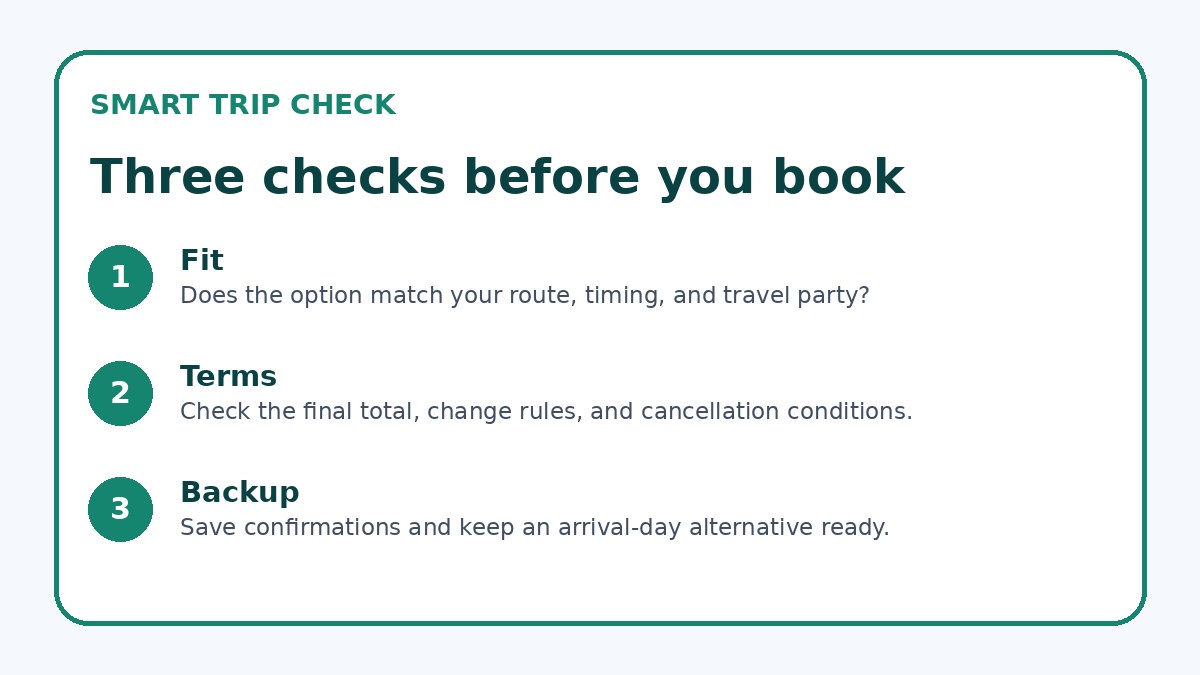
Timing flexibility: departures, check-in windows, and luggage cutoffs
Decide how flexible you need your schedule to be. Trains run frequently, so if you miss one there's usually another soon; coaches may run less often, so missing a bus could cost hours. If you’re using a luggage-forward service, be aware these services often have cutoffs (for example, drop-off times the day before or early-morning collection on travel days). Build margins around these cutoffs — a missed courier pickup can force you to carry bags you intended to be delivered, disrupting the plan. If your travel day includes tight appointments, choose options with more frequent departures or keep essentials with you.
Hotels also have check-in windows and luggage acceptance policies that matter. Some hotels will accept early luggage delivery, others only hold bags after check-in. Contact your accommodation to confirm their policies and the exact latest delivery times from courier services. When timing is critical, book a travel slot that arrives well before your hotel’s luggage cutoffs or plan a temporary storage stop at the station’s coin lockers or a paid baggage counter, but verify availability and size limits in advance.
Compare the practical alternatives
Use the final page to confirm what is actually offered on your dates and save a workable fallback.
Intercity travel checklist
- Map exact door-to-door timing: include walk/taxi time from your Tokyo accommodation to the departure terminal and from arrival station to your Kyoto lodging.
- Confirm if your Kyoto hotel accepts courier deliveries and the latest delivery cutoff; get the hotel’s preferred recipient name and address format.
- Measure and weigh your luggage and compare to rail/coach baggage size limits and locker dimensions at major stations.
- Reserve seats or coach tickets where possible to avoid standing with luggage during peak periods; note refund/changes policies before booking.
- Pack a daypack with essentials (documents, chargers, medication, one outfit) in case checked luggage or courier delivery is delayed.
- Save courier tracking links, booking confirmations, and emergency contact numbers both online and offline for quick access.
Disruption backup: simple contingency plans for delays or lost luggage
Have a two-part backup: (1) time-based contingency and (2) bag-based contingency. Time-based contingency means scheduling at least one hour extra for every major transfer in your plan, or two hours if you’re tight on connections or traveling during peak crowds. If you rely on a luggage-forward service, check the provider’s tracking and delivery update options and keep a digital copy of receipts. Pack essentials — medication, documents, a change of clothes, chargers — in a small carry-on so a delayed delivery or missed connection doesn’t ruin the first day.
Bag-based contingency covers lost or delayed luggage. Identify nearby convenience stores and retailers where you can buy emergency items quickly, and note how to reach your accommodation by taxi if public transit is slower due to issues. Keep contacts for your courier and your accommodation handy, and use tracking to see if a delayed delivery is en route. A simple contingency might be buying a lightweight foldable bag to consolidate items if you have to rearrange baggage mid-journey; such low-cost fixes often solve the immediate problem without disrupting the whole trip.
Rail & Intercity Transport questions travelers ask
Can I bring large suitcases on the Shinkansen between Tokyo and Kyoto?
Yes, you can bring large suitcases on most high-speed trains, but practicality varies with carriage layout and crowding. Larger suitcases are usually stored at the end of the carriage or in overhead racks; space is limited during peak travel times. If you have very heavy or multiple large bags, consider a luggage-forward service or reserve seats where permitted, then board early to find space. Before booking, verify the current baggage guidance on the operator’s final booking page, and check whether reservations or specific carriages are recommended for large items.
How far in advance should I arrange a luggage-forward service for delivery to my Kyoto hotel?
Plan to arrange courier pickup at least one day before travel where possible, because many services require drop-off or collection the day prior or early on the travel day. Delivery windows vary by provider and location, and some hotels have specific receiving hours, so contact your hotel to confirm they will accept your delivery on the expected date. Always verify cutoff times and tracking options on the courier’s booking page and keep receipts; if your schedule is tight, consider carrying critical items with you rather than relying solely on same-day delivery.
What’s the easiest way to manage luggage if my Kyoto accommodation is not near the main station?
If your hotel is distant from Kyoto Station, aim to minimize transfers: consider a taxi from the station to your accommodation for convenience, or have your luggage delivered directly to the hotel before you arrive. Alternatively, take a train to the smaller station nearest your hotel to reduce walking, but confirm elevator access at that station to avoid stairs. If you use a courier, confirm whether they deliver to that specific neighborhood; some services only deliver to major stations or central hotels. For last-mile simplicity, balance cost versus door-to-door effort when deciding.
Final decision note
Choosing how to move from Tokyo to Kyoto with luggage is a practical tradeoff between time, money, and effort. For many first-time visitors the most comfortable path is a rail journey paired with a luggage-forward service to remove transfer stress, while others will prefer carrying everything for absolute flexibility or using coach services for bulky loads. The right decision depends on where you start and finish, how much you want to carry between terminals and accommodations, and how much buffer you need for disruptions. Before you book, map door-to-door times, confirm hotel luggage policies and courier cutoffs, and pack a small essential bag—this short checklist prevents most headaches and keeps your arrival in Kyoto smooth.
Continue planning
Check current options and final conditions
Use the provider page to confirm live availability, the final total, cancellation terms, and every condition that matters to your trip.
This evergreen planning guide was created with AI-assisted drafting and a structured quality review. It does not display live prices, schedules, availability, visa guidance, or provider rankings. Verify current details before booking. Some links are affiliate links; we may earn a commission at no additional cost to you.