
Practical answer first: before you book any New York City travel deal, add up every likely cost—air or rail fare, ground transfers, multiple nights of lodging with taxes and fees, local transport, meals, business services, and a conservative buffer for incidentals or schedule changes. For business trips, include the costs of meeting rooms, printing, courier or last-mile delivery, and any required coworking day passes. Once you have a realistic total, compare a few packages or separate bookings side-by-side and check cancellation terms and corporate reimbursement rules. This approach prevents mispriced trips that look cheap at first glance but become costly after mandatory fees and business needs are accounted for. Below I explain the tradeoffs, what to verify on booking pages, and how to choose the simplest, lowest-risk option for your company’s priorities.
See current options before you compare the details
Availability and final conditions change. Open Trip.com now or keep reading for the practical comparison.
Build a full-cost worksheet
Start by creating a single worksheet that lists every line item for the trip. Include the obvious entries—airfare or rail fare, lodging rate per night, and the cost of standard ground transfers from the arrival airport or station—but also add less obvious items such as city taxes, facility fees, baggage charges, and corporate or vendor fees for meeting rooms or AV. For meals, use realistic per diem estimates based on the neighborhood you’ll be in. Include an allocation for local transport (subway, taxi, rideshare), gratuities and any expected parking or tolls. This single view makes it easier to compare offers that bundle different services or hide mandatory extras.
paragraphs_1_noteholder_2_needed___do_not_use_fieldnames_for_content_dummy_2_of_2_which_must_be_removed_by_user_before_publication_only_for_validator_purposes_if_any_which_should_be_deleted_prior_to_final_use_and_contains_no_substantive_text_of_value_elsewhere_in_article_and_is_ignored_by_readers
Compare direct versus connecting travel options
When comparing air or train options to New York City, don’t assume the cheapest base fare is best. Direct connections reduce risk of missed meetings due to delayed connections, but they can cost more. A connecting itinerary might save money but add exposure to delays, baggage miss-handling, and unexpected overnight stays if connections are tight. For each itinerary you consider, estimate the potential cost of a missed connection: extra night in a hotel, additional transfers, lost time, and any emergency rebooking fees you might encounter. Use your company’s tolerance for schedule risk to decide whether a cheaper connecting option is acceptable.
Also compare the total door-to-door travel time and the value of your time. A lower fare that adds two more hours each direction could mean later arrivals, extra rideshare costs, or the need to reschedule client meetings. Check what is permitted for expense reimbursement by your employer—some programs allow premium fares for same-day returns or direct flights if they reduce productivity loss. Finally, when booking, verify baggage allowances, change and refund policies, and whether seats are assigned; the provider’s final booking page will have the exact terms you must confirm.
| Approach | Best for | Tradeoff to check |
|---|---|---|
| All-inclusive corporate package | Travelers wanting simplicity and predictable billing | Often higher upfront cost and less flexibility for itinerary changes |
| Separate bookings (air, hotel, transport) | Maximizing savings and customizing each component | Requires more time to compare and greater exposure to mismatched policies |
| Flexible refundable fares and refundable hotels | Trips with uncertain dates or high cancellation risk | Higher ticket and room rates that raise nominal trip cost |
| Lowest nonrefundable fares and budget lodging | Fixed plans with strict cost limits | High financial risk if plans change; incidental costs can erode savings |
Ready to check the option that fits your plan?
Use your exact dates and traveler details so the provider page can show the current total and conditions.
Choose lodging that minimizes hidden business costs
Hotels near client offices or conference venues can save substantial time and local transport costs, even if the nightly rate looks higher. Add the full cost of each lodging option: nightly rate multiplied by nights, plus local taxes, facility fees, Wi-Fi charges (if not complimentary), business center fees, printing, and any in-room meeting or upgrade charges. If your trip requires quiet workspace, verify whether the room rate includes reliable Wi-Fi and a comfortable desk; if not, budget for coworking space or a day pass. Confirm refund or change terms on the final booking page—some lower rates are prepaid and nonrefundable, which increases risk if the meeting date changes.
For multi-night or recurring trips, ask hotels about corporate or negotiated rates and whether breakfast or a shuttle to common business hubs is included. If you must present materials, factor in time and expense for prints, binding, or courier services; hotels and business centers often charge significant per-item fees. Consider the productivity cost: a longer commute from a cheaper suburban hotel may cut into meeting prep time or create more reliance on paid rideshares. Balance your company’s cost controls with the practical benefits of proximity and reliable business services.
Before you book
- Create a single worksheet listing all expected costs: travel, lodging, ground transfer, meals, local transport, business services, taxes, and incidentals.
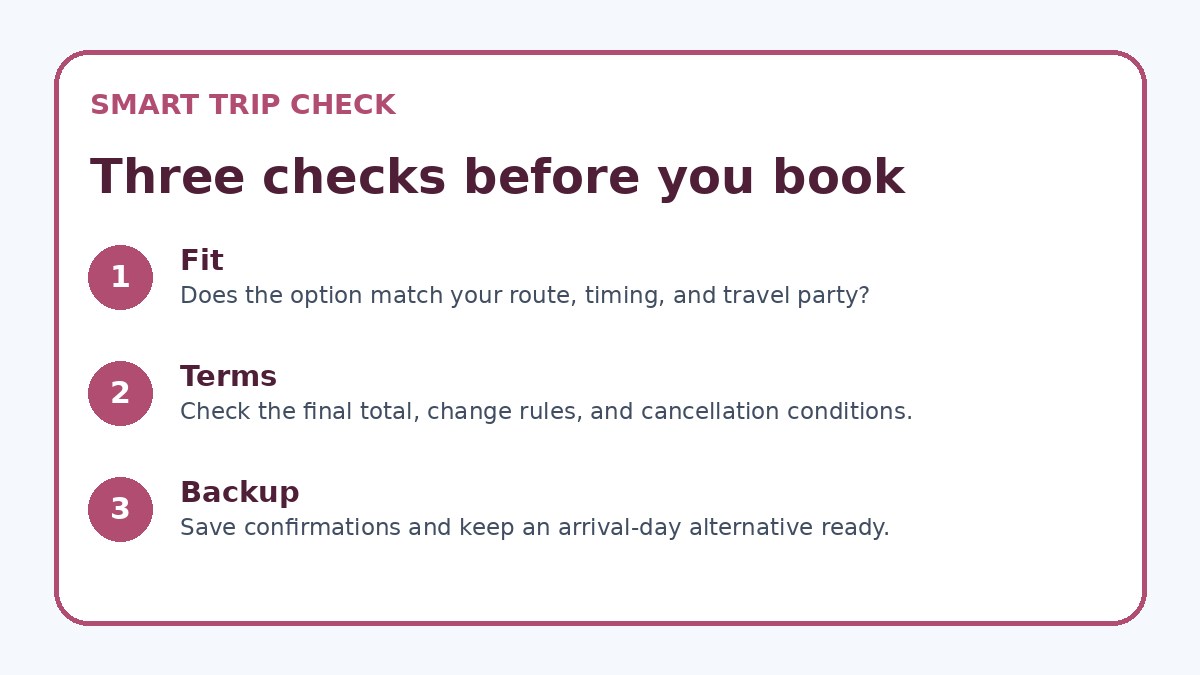
- Verify taxes, facility fees, baggage fees, and any mandatory surcharges on the provider’s final booking page before committing to a fare or rate.
- Estimate door-to-door travel time and factor in potential lost productivity or overnight delay costs for connecting itineraries.
- Ask hotels about corporate rates, included business services, Wi‑Fi terms, and any per-item charges for printing or meeting rooms.
- Budget a daily allowance for local transport and meals based on the neighborhoods you’ll frequent, plus a buffer for gratuities.
- Confirm your company’s reimbursement rules and receipt requirements so booked items will be eligible without delays.
Anticipate local transport, meals, and incidentals
New York City has multiple transport modes—subway, commuter rail, taxis, rideshares, and ferries—and costs vary by time and route. Estimate your typical daily travel pattern and price both public transit options and likely rideshare or taxi usage. For short hops between midtown and Lower Manhattan, public transit may be far cheaper; for early-morning or late-night trips with equipment, a rideshare could be the pragmatic option. Also plan meal allowances that match expected dining neighborhoods—meals in some Manhattan business districts can be notably higher than other boroughs. Always include a conservative buffer for tips and miscellaneous incidentals.
If you plan to host clients or provide hospitality, include the full cost of any client meals, entertainment, or third-party meeting spaces in your pre-booking total. Verify cancellation and change rules for any third-party services or reservations. For recurring or multi-city itineraries, look for city-wide transit passes or corporate cards that streamline expense reporting. Finally, confirm what receipts your company requires for reimbursement so you can avoid out-of-policy purchases or unreimbursable expenses that inflate the trip’s effective cost.
Frequently asked questions
How do I decide between a nearby expensive hotel and a cheaper one farther from meetings?
Compare the full trip cost, not just the nightly rate. Calculate additional taxi or rideshare fares, the value of saved commute time, and the impact on your daily productivity. If a nearby hotel reduces two round-trip rideshare trips per day, those savings may offset a higher room rate. Also check whether the cheaper property charges extra for Wi‑Fi or business services you need. Finally, confirm cancellation and change policies on the provider’s booking page to avoid nonrefundable penalties if plans shift.
Should I always pick refundable fares for business travel?
Refundable fares are valuable when schedules are uncertain or when meetings may be rescheduled, but they cost more up front. Balance the added fare against the likelihood and cost of a change: include potential rebooking fees, lost time, and outbound/inbound connection risks. If your employer has a clear policy on flexibility, follow that; if not, use refundable options for higher-risk trips and lower-cost nonrefundable fares for firm itineraries. Always verify the exact change and refund terms on the carrier’s final booking page before purchase.
How do I make sure a bundled travel deal covers my business needs?
Read the bundled deal’s terms carefully and confirm what is included on the seller’s final booking page: which transfers, baggage allowances, Wi‑Fi, breakfast, and meeting-room access are part of the package. If the bundle appears to omit key services you need, price those services independently and compare the net total. For meeting requirements, ask the provider directly about AV, printing, or dedicated workspaces—these are often add-ons. You can optionally compare current availability on Trip.com, but verify everything on the booking page and with the supplier before relying on inclusions.
Final planning note
For business travel to New York City, the cheapest headline price rarely equals the lowest true cost. Building a clear worksheet, comparing direct versus connecting travel options, and factoring in hotel proximity, business services, and local transport will reveal the most cost-effective and least risky choice for your trip. Verify taxes, mandatory fees, refund and change conditions on each provider’s final booking page, and align bookings with your company’s reimbursement and flexibility rules. With a complete cost view up front, you can make a pragmatic booking that protects time, meets client needs, and avoids last-minute expense surprises.
Continue planning
Check current options and final conditions
Use the provider page to confirm live availability, the final total, cancellation terms, and every condition that matters to your trip.
This evergreen planning guide was created with AI-assisted drafting and a structured quality review. It does not display live prices, schedules, availability, visa guidance, or provider rankings. Verify current details before booking. Some links are affiliate links; we may earn a commission at no additional cost to you.