For most families traveling from Melbourne to Queenstown, the practical choice is the one that reduces stress: shorter overall door-to-door time, fewer transfers, and better sleep windows for children. If a direct option is available for your dates and fits your schedule, it usually wins on convenience; a single stop can win on price and schedule variety. This guide explains how to compare direct and connecting Melbourne to Queenstown flights for families, focusing on travel time, connection risk, airport logistics, comfort, and hidden costs. Read this if you need a quick recommendation and then want to know the tradeoffs so you can choose the flight that matches your family’s tolerance for layovers, stroller policies, and budget. I’ll also list the specific things to verify on the airline or booking page before you buy.
See current options before you compare the details
Availability and final conditions change. Open Trip.com now or keep reading for the practical comparison.
How to weigh time versus convenience
Families usually prioritize convenience over shaving a few dollars off the fare. A direct flight from Melbourne to Queenstown removes the need to disembark, recheck luggage, or move between terminals — decisions that matter when you have small children, car seats, or a stroller. Consider total door-to-door travel time, not just airborne time: include drive to the airport, check-in, security, the arrival process in Queenstown and transfers to your accommodation. If the direct option saves an hour or more of travel time and reduces one or more transfers, that improvement can be worth the higher fare for many families.
However, convenience can mean different things. A late-evening direct flight that arrives after midnight may disrupt sleep routines, while a daytime connection with a sensible layover could land you at a family-friendly hour. Also think about airport facilities you’ll use: family lanes at security, play areas, or nearby lounges. If a connecting itinerary gives you a daytime arrival and a predictable schedule for naps and meals, the connection may be preferable even if it is less convenient in theory.
Safety nets: connection risk and schedule reliability
The main downside to connecting flights is the risk of missed connections and extra time in transit. When you plan a connection, check the minimum connection time recommended by the airline and aim for a buffer beyond that if travelling with children. Longer connections reduce stress but increase time spent away from your final destination. If both flights are on the same ticket with the same carrier or alliance, the airline is typically responsible for rebooking in case of delays; if you book separate tickets, you assume the risk. Confirm whether a single-ticket itinerary includes through-checked luggage to avoid collecting and rechecking bags mid-journey.
Families should also consider the airports where connections occur. Some transfer airports require you to change terminals or clear security or immigration, adding complexity. If your connection airport is large and unfamiliar, factor extra time and the potential need to move between shuttle buses or people movers. When checking schedules, look for realistic buffer times that cover restroom breaks, snack stops, and the possibility of a stroller needing to be retrieved or checked at the gate.
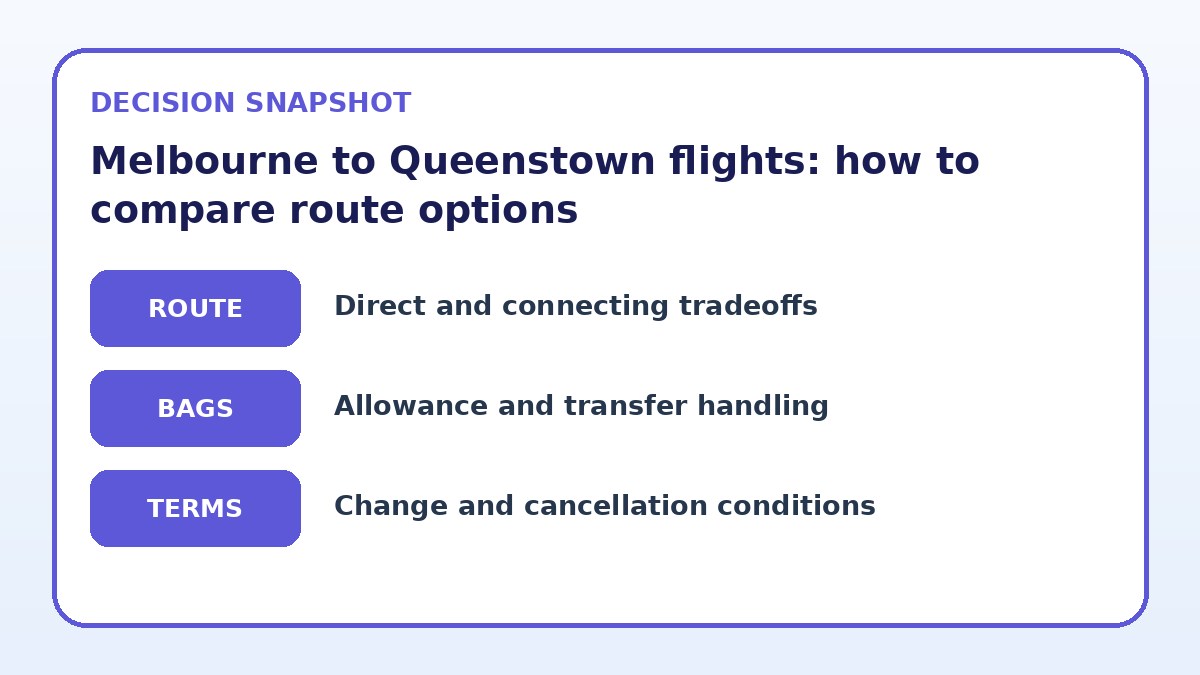
| Approach | Best for | Tradeoff to check |
|---|---|---|
| Direct flights | Families prioritising minimal transfers, shorter transit time, and simpler logistics with strollers or car seats. | Typically fewer schedule choices and sometimes higher fares for the convenience of one-leg travel. |
| Single-connection daytime itineraries | Families seeking cheaper fares or better arrival times that align with children’s routines. | Longer total travel time and the need to manage a layover, with potential terminal or security changes. |
| Single-connection overnight itineraries | Travelers who want to sleep on the flight and arrive in the morning, or split the journey into manageable blocks. | Disrupted routines, potential need for overnight accommodation, and extra handling of luggage and equipment. |
| Separate-ticket multi-leg routes | Families prioritising lower fares and flexible routing, willing to handle transfers independently. | Higher risk of missing onward flights, no through-checked luggage guarantee, and more complex contingency planning. |
Ready to check the option that fits your plan?
Use your exact dates and traveler details so the provider page can show the current total and conditions.
Cost, seats and child-friendly amenities
Connecting flights can sometimes be cheaper or provide more seat-availability options, which matters when you need multiple seats together or want an extra-legroom row for a child or infant seat. But fares are only part of the cost equation: add baggage fees, seat selection charges, and any fees for bringing car seats or bassinet requests. Direct flights may include more predictable allowances and fewer ancillary charges because you only pay them once. Before booking, compare the total cost for your full party and note seat maps to ensure you can sit together — a crucial comfort factor for families.
Also investigate specific child services such as bulkhead bassinets, family pre-boarding, or priority boarding for parents with young children. Confirm whether the aircraft type on your chosen route has the seating configuration you need and whether bassinets are available and bookable in advance. For connecting itineraries, verify each carrier’s policy on child amenities; a child-friendly policy on one leg won’t automatically apply on the other if different airlines operate the flights.
Before you book
- Confirm whether luggage is through-checked to Queenstown on the carrier’s booking page before finalising the purchase.
- Check seat maps and reserve seats together for all family members so infants and children sit beside caregivers.
- Verify the airline’s policy on car seats, strollers, and bassinets and reserve any required equipment in advance.
- Compare total door-to-door travel time, not just flight duration, including airport transfers and security wait estimates.
- Allow extra buffer in connection times beyond the minimum recommended when travelling with young children.
- If booking separate tickets, plan and budget for the time and cost to collect and recheck luggage between flights.
Practical checks before you click buy
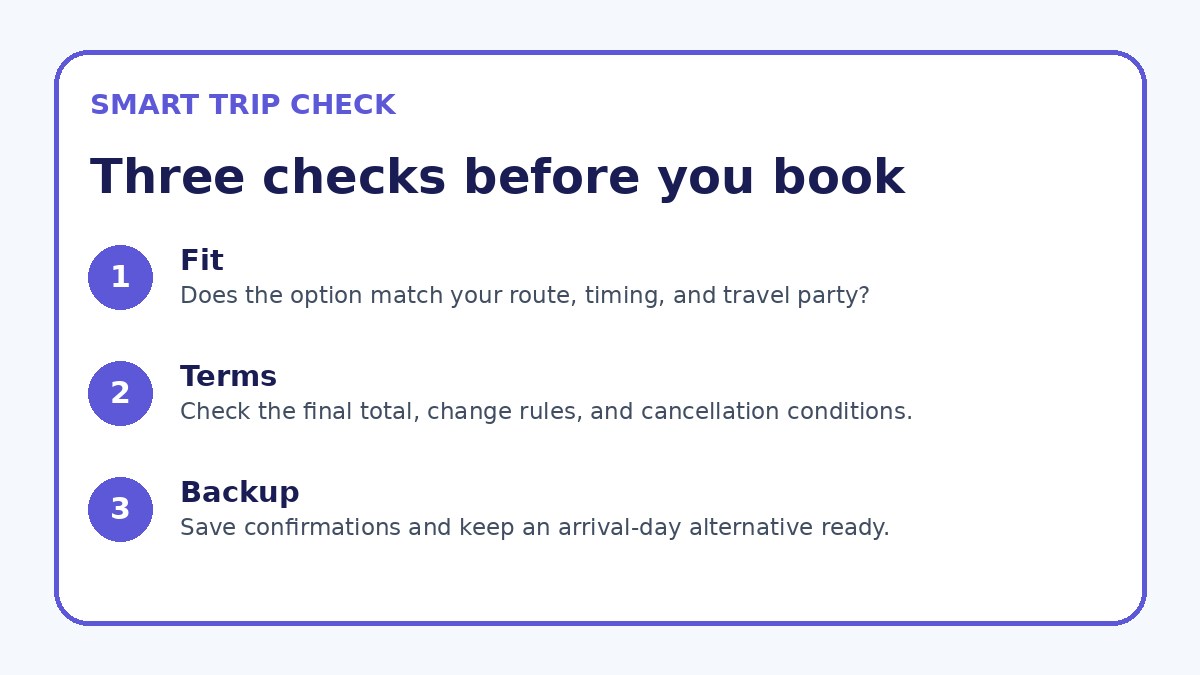
Before booking any Melbourne to Queenstown flight, verify a short checklist that prevents stressful surprises. Confirm whether luggage is through-checked to your final destination, check the airline’s infant and child seating rules, and find the minimum connection time at any stopovers. If your trip includes separate tickets, plan for the time and cost of collecting and rechecking bags or transferring between terminals, and consider travel insurance that covers missed connections when tickets are separate.
Also check the timing of flights against your family’s routines: meal and nap times, and whether an overnight stay at an airport city will be required for long connections. When you view the carrier’s final booking page, verify baggage allowances per passenger, exact seat assignments (or the ability to reserve them), and whether any special equipment like car seat approvals are listed. For current availability and conditions, you can compare options on Trip.com as one place to check schedules and rules before confirming with the airline.
Frequently asked questions
Is a direct flight always better for families flying Melbourne to Queenstown?
Not always. Direct flights reduce transfers and simplify logistics, which many families find worth paying for. However, a connecting itinerary can be better if it offers a daytime arrival that keeps children on routine, significantly lower total fare for the family, or more suitable departure times. Consider total door-to-door time, sleeping hours, and whether the extra connection adds stress — for example, a tight connection or a terminal change. Verify baggage handling and seating options before deciding; those practical details often determine whether the direct option is the clear winner.
How much connection time should I allow when travelling with young children?
Aim for more than the airline’s minimum connection time when you have young children. A practical buffer often includes time for disembarkation with a stroller, restroom breaks, a quick snack, and moving between gates or terminals if needed. If you must change terminals, allow additional time for shuttle rides and security rechecks. For international-to-domestic transfers or when using separate tickets, build even longer buffers and plan contingencies. Check the airport layout in advance so you know whether gates are close or require a transfer and budget time accordingly.
What should I look for on the airline’s final booking page before I pay?
On the airline’s booking page, confirm baggage allowances for each passenger, fees for additional bags, and whether checked luggage is through-checked to Queenstown. Check seat selection rules and availability for adjacent seating, and read infant and child policies regarding car seats, bassinets, and pre-boarding. Verify the exact flight times, the operating carrier for each leg, and minimum connection time. If your itinerary includes different carriers, confirm whether there is a single booking reference covering all legs or separate references that could affect rebooking responsibility.
Final planning note
Choosing between direct and connecting Melbourne to Queenstown flights comes down to your family’s priorities: fewer transfers and simpler logistics versus greater schedule flexibility and potential savings. Start by identifying what will make travel easier for your kids — shorter airport time, predictable nap windows, or lower out-of-pocket costs — then check the practical elements on the carrier’s booking page. Verify baggage rules, seat assignments, infant and stroller policies, and whether luggage is through-checked. If you need to compare current itineraries and conditions, Trip.com is a place to view options, but always confirm final details directly with the operating airline before purchasing. With these checks, you can pick the flight that keeps your family calm and ready to enjoy Queenstown.
Continue planning
Check current options and final conditions
Use the provider page to confirm live availability, the final total, cancellation terms, and every condition that matters to your trip.
This evergreen planning guide was created with AI-assisted drafting and a structured quality review. It does not display live prices, schedules, availability, visa guidance, or provider rankings. Verify current details before booking. Some links are affiliate links; we may earn a commission at no additional cost to you.