
If you want the simplest route to Madrid with less planning stress, a well-constructed package (flight + hotel, sometimes transfers and a few activities) will get you booked quickly. If you want maximum control over where you stay, which airline you fly, and the exact experiences you’ll have, separate bookings let you mix budget and premium choices to match your priorities. First-time visitors should weigh convenience and support against flexibility and potential savings. This article gives a clear recommendation up front, then unpacks the tradeoffs: what’s usually included in packages, where separate bookings shine, the kinds of travelers who benefit from each approach, and the specific items to check on supplier pages before you commit.
What Madrid packages usually include and why that matters
Package deals commonly bundle round-trip flights and a hotel stay for a set number of nights; some add airport transfers, a guided walking tour, or attraction tickets. For first-time visitors, that package structure reduces the number of decisions and provides predictable logistics from arrival to check-in. If you value an easy, single checkout and the reassurance of a single customer-service contact for changes, a package often feels safer, especially when you’re unfamiliar with Madrid’s neighborhoods and transit.
However, inclusions vary widely, so you must read the provider’s final booking page to confirm exactly what’s in the bundle—flight baggage rules, hotel category and board basis, whether transfers are private or shared, and if any activities require advance reservation. Don’t assume an included tour fits your energy level or interests; compare the written itinerary carefully and ask the seller about optional add-ons and how refunds or changes are handled.
When separate bookings make more sense for first-time visitors
Booking flights, hotels and activities separately gives you precision: choose arrival times that minimize overnight waits, pick a neighborhood that matches your sightseeing plan, and tailor daily activities. This approach is best when you want to concentrate on a particular part of Madrid—for example, staying near the Prado and booking nearby museums in advance—or when you want to combine budget flights with a higher-end hotel without being limited by a package’s inventory.
Separate bookings demand more time and attention. You’ll need to manage timing between flights, check-in windows, and transfers. For international arrivals check whether your flight’s arrival time matches hotel check-in policy or public transit schedules. Compare direct versus connecting flight options, and verify baggage allowances and change fees on each carrier’s final booking page. If you’re comfortable coordinating elements and reading fine print, you often gain flexibility that a packaged offer can’t match.
| Approach | Best for | Tradeoff to check |
|---|---|---|
| Package bookings | Travelers who want convenience, single-point support and fewer planning steps | Less flexibility over hotels, flight times, and specific activities; check inclusions and change rules carefully |
| Separate bookings | Travelers who want precise control over timing, neighborhood choice, and tailored experiences | More coordination required and multiple supplier policies to manage if plans change |
| Hybrid approach (package + add-ons) | Travelers wanting baseline convenience plus custom activities or upgrades | Can complicate refunds and support; verify who handles each element in practice |
| Self-book with local day tours | Visitors focused on a specific interest (art, food, day trips) who want local expertise | You must arrange independent transfers and timing; compare tour cancellation terms and meeting points |
Risk, support and change policies: what to verify before you pay
Regardless of approach, the critical differences often sit in cancellation, change fees, and who answers your call when something goes wrong. With a package, the tour operator or travel platform usually manages changes, but the package’s rules determine refunds and rebooking costs. With separate bookings, each supplier enforces their own policy—airlines, hotels and tour operators will each have separate fees and windows for refunds or free changes. Always read the policy details on the checkout page and note any non-refundable elements before confirming.
Also check which party provides customer support in your time zone, how to reach them in an emergency, and whether the package includes travel assistance or insurance options. If you rely on seat assignments, special meals, or need visa support, verify whether those services are handled by the package organizer or left to you. When comparing, list the support channels and policy deadlines side-by-side before you decide.
Before you book
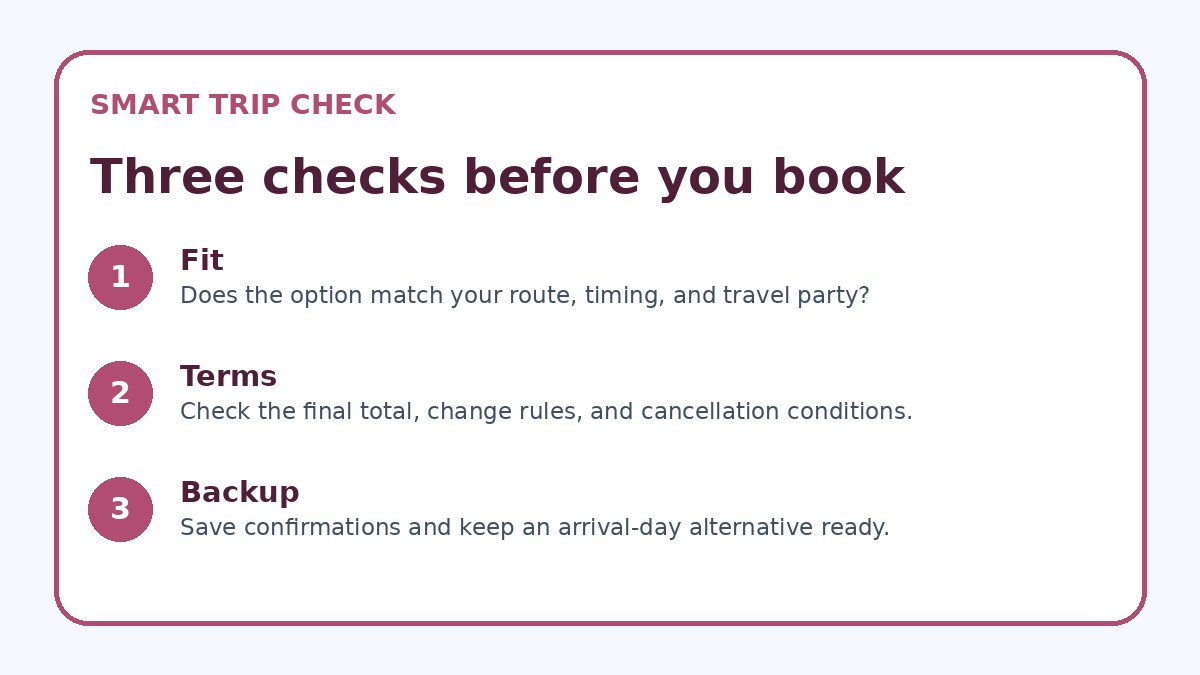
- Confirm on the provider’s checkout page which elements are included: flights, baggage, hotel room type, transfers, and any listed activities.
- Compare total costs and fees for packages versus the sum of separate bookings, including taxes and service charges shown at checkout.
- Note cancellation and change windows for each supplier; write down the refund policy deadlines before you finalize payment.
- Check transfer options from Madrid–Barajas airport to your chosen neighborhood and whether a package’s transfer is private or shared.
- Verify baggage allowances, seat assignment rules, and boarding time constraints on the airline’s final booking page.
- Look up the hotel’s exact location and nearest metro stops to confirm it suits your planned sightseeing and transit needs.
Budget, convenience and experience: how to choose for your Madrid trip
If your priority is minimizing planning time and you prefer a single point of contact, lean toward a package—especially if it includes transfers or guided arrival services that reduce first-night stress. Conversely, if you prioritize neighborhood choice, specific flight times, or a curated set of museums and day trips, separate bookings let you mix providers and schedule visits exactly when you want them. Your comfort handling possible schedule changes also matters: packages centralize responsibility, while DIY bookings put the coordination burden on you.
Another practical factor is time: if you have limited days in Madrid, prioritize flight arrival and departure times over small price differences. For longer stays, you can tolerate more complex plans and potentially save money by shopping across suppliers. To compare accurately, create a simple matrix listing total costs, change penalties, included services, and who to call for help; that makes the tradeoff visible and helps first-time visitors pick the safest, most enjoyable option for their travel style.
Frequently asked questions
Can a package save money for a first-time Madrid trip compared with booking separately?
Sometimes packages offer bundled convenience that appears cheaper because they combine components and reduce booking fees, but this varies by season and inventory. For a clear comparison, calculate the total price you would pay booking flights, hotel nights, transfers, and any included activities separately—include taxes and any mandatory fees displayed at checkout. Also factor in non-price benefits like included transfers or a single customer-service contact, which may be worth the premium for a smoother first-time visit.
If I book separately, how should I time my flight and hotel check-in for a first trip to Madrid?
Aim for an arrival time that gives you flexibility for customs and baggage collection without forcing a late-night navigate into an unfamiliar neighborhood. Check the hotel’s stated check-in window and whether late arrivals are permitted or require a fee. If your flight involves a late arrival or an early morning, consider booking a flexible contingency—such as an arrival transfer or a first-night hotel with 24-hour reception—or schedule a later check-in through the hotel to avoid waiting outside or losing a night’s stay.
How do I handle issues like strikes, weather delays or missed connections when choosing between packages and separate bookings?
Packages often centralize assistance—operators may rebook elements for you—but their ability to fix situations depends on the package terms and supplier relationships. With separate bookings you may need to contact each provider: the airline for rebooking, the hotel for late arrivals, and tour operators for missed activities. In either case, check who offers emergency support, how to reach them, and whether travel insurance or flexible fares are available. On the booking pages, verify change and refund processes and keep all confirmation numbers handy.
Final planning note
For many first-time visitors, the practical choice comes down to how much time and energy you want to spend planning. Choose a package if you want streamlined logistics and a single company to manage most problems—especially useful for arrivals you don’t want to worry about. Choose separate bookings if you value control over neighborhood choice, flight times, and crafting a bespoke itinerary. A hybrid approach can deliver the best of both worlds: a package backbone for core logistics plus independently booked activities or upgrades. Before you commit, compare totals, read the provider’s final booking pages for exact inclusions and policies, and consider travel insurance if you need extra protection. You can also check current availability and conditions on platforms like Trip.com as one input when comparing options.
Continue planning
Check current options and final conditions
Use the provider page to confirm live availability, the final total, cancellation terms, and every condition that matters to your trip.
This evergreen planning guide was created with AI-assisted drafting and a structured quality review. It does not display live prices, schedules, availability, visa guidance, or provider rankings. Verify current details before booking. Some links are affiliate links; we may earn a commission at no additional cost to you.