
If your family is flexible on dates, planning Los Angeles travel around shoulder seasons — the months between peak summer and winter holidays — usually offers the best balance of milder weather, manageable crowds, and increased lodging and activity options. For families, ‘shoulder season’ in Los Angeles often means spring (March–May) and fall (September–November), when school calendars and local events can still influence availability. The practical priority is deciding whether you want quieter days for theme parks and museums, flatter hotel rates, or the widest selection of family-friendly rental properties.
Start by lining up school break constraints, preferred weather, and which attractions are non-negotiable for your kids. Then compare accommodation types, transit options, and refundable vs. nonrefundable rates. This article explains tradeoffs you’ll face, how to scan for genuinely useful Los Angeles travel deals, and the checklist of specifics to verify on supplier booking pages before you commit.
See current options before you compare the details
Availability and final conditions change. Open Trip.com now or keep reading for the practical comparison.
Define your family priorities before chasing deals
Begin by listing what matters most to your household: low crowds, mild weather, budget lodging, dining options, or specific attractions like theme parks or museums. For families with young children, proximity to your chosen sites and a room with kitchen or laundry often matters more than a boutique location. If teens value nightlife or surf lessons, factor in transport and evening safety. Prioritizing early lets you filter offers by true family value rather than headline discounts that skip important conveniences.
Once priorities are clear, map possible date windows on a calendar that includes school days, team schedules, and any nonflexible commitments at home. Compare those windows to local event calendars and major holiday periods — a weekend festival or convention can spike hotel demand even during shoulder months. With a few candidate weeks chosen, you can systematically check lodging and flight calendars, looking for patterns in availability and refundable rate classes that align with your family’s risk tolerance.
Where to look for Los Angeles travel deals and what to compare
Search broadly: compare hotel chains, vacation rentals, and family-friendly aparthotels to find the best fit for your needs. When comparing, treat nightly rate as one input; add likely parking costs, resort fees, taxes, and the convenience value of being near attractions. Vacation rentals can cut dining costs and expand sleeping configurations, but check cleaning policies, security deposits, and cancellation terms—these vary widely and can change total value.
For transportation, compare direct and connecting flight options if flying from afar; weigh time savings against overnight schedules and potential transfer stress with children. If driving, estimate parking and traffic at peak arrival times. Public transit and ride-shares in Los Angeles are improving but plan routes and connection points for strollers and luggage. Use a single spreadsheet or folder to track final prices, cancellation terms, and any family amenities that matter — cribs, rollaway beds, kitchenettes, and free breakfast.
| Approach | Best for | Tradeoff to check |
|---|---|---|
| Travel in early spring weekdays | Families wanting lower crowds at parks and indoor-outdoor flexibility | Weather can be variable; some outdoor beach days may be cooler or rainy |
| Visit in mid-fall weekdays | Families seeking warm afternoons and reduced summer-level crowds | Local events or school breaks can intermittently raise demand and rates |
| Book a central hotel | Families prioritizing shorter transit times to attractions | Higher nightly rates and possible parking or resort fees |
| Choose a vacation rental with kitchen | Families wanting to save on meals and spread out living space | Cleaning fees, deposits, and less consistent customer service |
Ready to check the option that fits your plan?
Use your exact dates and traveler details so the provider page can show the current total and conditions.
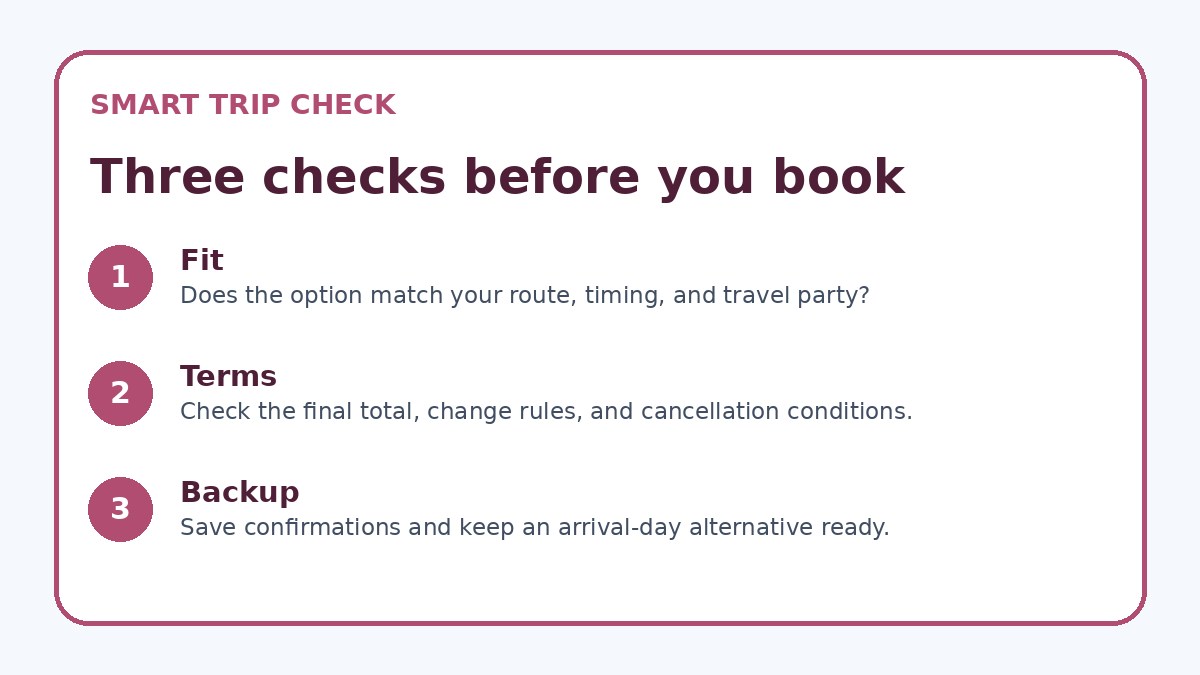
Timing tradeoffs: crowds, weather, and activity schedules
Shoulder-season timing comes with tradeoffs. Spring often brings comfortable temperatures ideal for outdoor attractions, but early spring can still have unpredictable rain. Fall generally offers warm afternoons with cooler mornings, and many families find theme-park wait times shorten after summer. However, mid-September school calendars and professional schedules sometimes mean teacher in-service days or local conventions that increase demand unexpectedly.
Decide whether quieter parks or guaranteed good weather is more important. If rides and shorter lines are your priority, aim for weekdays in shoulder windows and avoid long holiday weekends. If beach days or open-air attractions define your trip, check longer-term weather trends and be prepared with flexible indoor options. Whatever you choose, leave buffer time in your itinerary for slower mornings or a sudden schedule change with kids; that flexibility often determines whether a shoulder-season trip feels restful or rushed.
Before you book
- Cross-check your chosen travel dates against local school calendars and major Los Angeles events to avoid unexpected crowds.
- Compare total lodging costs including taxes, parking, resort fees, and cleaning charges before selecting a property.
- Confirm cancellation and change policies for flights, hotels, and rentals and note any deadlines for free refunds.
- Verify sleeping arrangements and family amenities (crib, high chair, laundry) in writing on the supplier’s booking page.
- Estimate daily transit times between lodging and top attractions and plan realistic arrival windows for young children.
- Save screenshots or PDF copies of final price breakdowns and booking terms in case published policies change later.
What to verify on booking pages before you commit
When a deal looks right, verify the booking details carefully on the provider’s final page. Confirm the cancellation and change policy, and whether the quoted rate includes all taxes and mandatory fees. For hotels, check parking, resort fees, and any chargeable amenities like pool towels or early check-in. For rental properties, look for explicit sleeping configurations, cleaning fees, deposit terms, and noise or guest limits that affect families.
Also check whether family amenities listed (cribs, rollaways, laundry) are confirmed or merely ‘available on request’ and whether there are extra costs. If a deal bundles tickets or experiences, read redemption rules and blackout dates. When comparing options, keep a screenshot or saved confirmation page showing the total price and terms — that record helps if a rate changes or a provider’s policy page was updated after booking. Trip.com is a valid place to compare current availability, but always verify final details on the supplier’s own booking page before paying.
Frequently asked questions
When exactly are Los Angeles shoulder seasons best for families?
Shoulder seasons for families usually fall in spring (March–May) and fall (September–November). These windows typically have fewer tourist crowds than summer, and temperatures are often comfortable for both outdoor and indoor activities. However, exact conditions vary year to year, and local events or school holidays can affect crowding. For specific dates, compare your school calendar with venue schedules and event listings, and watch lodging availability and refundable rate options to find the sweet spot that fits your family’s tolerance for weather and flexibility.
Are theme parks and major attractions easier to visit during shoulder seasons?
Generally, shoulder seasons reduce peak summer lines, especially on weekdays, making theme parks and museums more manageable for families. But parks also run seasonal events, maintenance closures, or reduced operating hours that can affect your visit. Before booking any ticket or bundle, confirm attraction hours, special-event days, and reservation requirements on the official provider pages. If an attraction is a primary reason for your trip, prioritize dates when it advertises full operations and verify any reservation slots or bundled discounts directly with the park.
How should families balance lodging location versus cost in Los Angeles?
Decide whether saving on a cheaper property farther from attractions is worth additional driving time, parking charges, and transit complexity. For families with small children, a central hotel or short commute can reduce stress and lost time, even if the nightly rate is higher. If you choose a vacation rental farther out, check that it includes essentials like laundry and a kitchen to offset daily expenses. Always calculate out-of-pocket transport and parking costs alongside the nightly rate before deciding where to stay.
Final planning note
Planning Los Angeles travel deals for families around shoulder seasons is about matching priorities to realistic tradeoffs. Spring and fall can offer milder weather, fewer crowds, and a broader selection of family-friendly lodging — but you must account for local events, school calendars, and variable attraction schedules. Use a short list of nonnegotiables to filter dates, compare all-in costs rather than headline rates, and verify cancellation terms and amenity confirmations on supplier pages. With flexible dates and a methodical comparison of total costs, families can find shoulder-season bookings that save time, reduce stress, and make the trip feel relaxed and rewarding.
Continue planning
Check current options and final conditions
Use the provider page to confirm live availability, the final total, cancellation terms, and every condition that matters to your trip.
This evergreen planning guide was created with AI-assisted drafting and a structured quality review. It does not display live prices, schedules, availability, visa guidance, or provider rankings. Verify current details before booking. Some links are affiliate links; we may earn a commission at no additional cost to you.