Practical answer first: when booking a Los Angeles car rental as a solo traveler, prioritize the exact pickup location (airport vs city desk), the documented fuel and mileage policy, and the return window and drop-off procedures. Confirm the insurer and coverage options, the driver's age restrictions, and any one-way or after-hours return fees before you finalize payment. Those factors determine how convenient your trip will be, how much extra paperwork you face, and how surprised you’ll be by charges at return. After the essentials, weigh tradeoffs: airport desks can be faster but often add surcharges; city locations may be cheaper but require transit to reach them. Read the final booking page carefully and save screenshots of terms, insurance choices, and the name of the desk or lot where you’ll actually collect the car.
See current options before you compare the details
Availability and final conditions change. Open Trip.com now or keep reading for the practical comparison.
Choosing your pickup location: airport desks versus city branches
Picking where to collect the car drives much of the rest of your plan. Airport locations are convenient because they sit inside or very close to terminals with frequent shuttles; that saves you time hauling luggage and figuring out local transport. But many airport desks add concession or facility fees and can be busier during peak hours, which may lengthen the counter wait or shuttle transfer. If you land late, confirm after-hours pickup procedures and whether a remote lot requires a shuttle you’re comfortable using alone at night.
City branches often reduce those extra airport surcharges and can sit near the neighborhood you plan to explore first. You may need a short taxi or rideshare to reach a downtown counter, which can add complexity if you arrive tired or on a tight schedule. For solo travelers who value lower base rates and quieter pickup, a city branch can be a better match—just confirm the branch’s exact address, parking/lot location, and whether you must call when you arrive so staff can meet you.
Inspecting pickup paperwork and vehicle condition
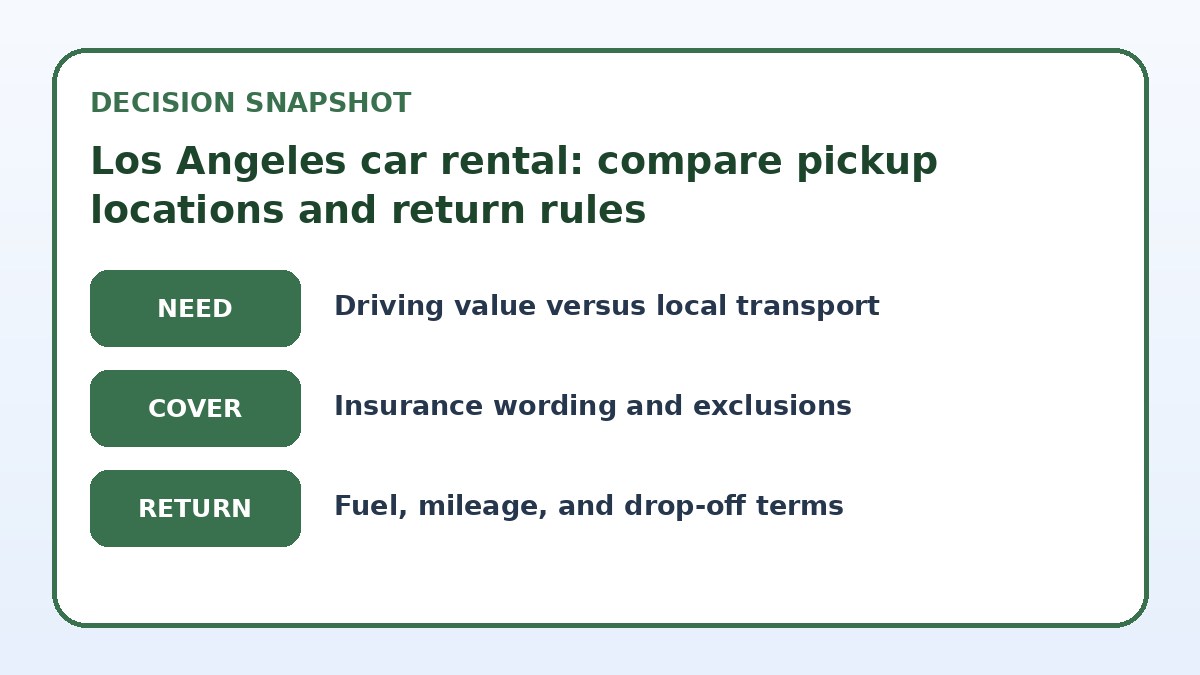
When you arrive at the desk, review every line on the rental agreement before signing. Look for the quoted fuel policy, mileage limits, any included protection (CDW/LDW) versus optional coverages, and whether taxes and concession fees are included or added later. If an optional insurance product is presented, ask for a clear explanation and the total out-the-door cost as a separate line item. Keep a digital copy or photo of the full agreement page showing the pickup location, start time, and the vehicle class you reserved.
Before you drive away, inspect the car carefully and document any pre-existing damage with time-stamped photos or a short video of all sides, the interior, and the odometer/fuel gauge. Confirm that the agent notes any visible scratches or dents on the condition form. Test lights, horn, mirrors, and A/C briefly—small problems multiply on unfamiliar roads. Ask for the agent’s name and a contact number in case you discover damage later; having these details helps contest inaccurate charges at return.
| Approach | Best for | Tradeoff to check |
|---|---|---|
| Airport pickup | Travelers prioritizing convenience and immediate access after arrival | Often carries concession fees and busier counters that can increase wait times |
| City branch pickup | Those seeking lower base rates and quieter pickup experience | Requires additional transit from terminal or accommodation, adding time and coordination |
| Full-to-full fuel policy | Solo travelers who prefer predictable, low-fee returns if they refuel before drop-off | Requires effort to refill to the company’s expected level; penalties apply for shortfalls |
| Prepaid damage waiver/insurance | Those wanting minimal headache and faster counter release without checking other policies | Increases upfront cost and may duplicate existing coverage from credit cards or personal insurance |
Ready to check the option that fits your plan?
Use your exact dates and traveler details so the provider page can show the current total and conditions.
Return rules that affect time, cost, and peace of mind
Understand the return window: many contracts allow a small grace period, but charges often start at the hourly rate or the next day’s full rate quickly. If you anticipate unexpected delays—late flights, heavy traffic, or extra errands—ask specifically how late returns are handled and whether an after-hours drop location is available. Note whether returns require physical counter check-in or if a key drop and lot signage is sufficient; counters that require a formal check can slow you down at peak times.
Fuel and cleanliness expectations matter for solo travelers who prefer a no-fuss exit. Full-to-full policies require refueling before return; otherwise, the company will charge a refill fee, often higher than local prices. Some companies bill for excessive dirtiness or smoking, so seize the chance to vacuum the interior or remove trash before handing keys back. If you expect to do a one-way drop in Los Angeles or beyond, confirm destination availability and any drop fees before you book because those fees can be substantial.
Before you book
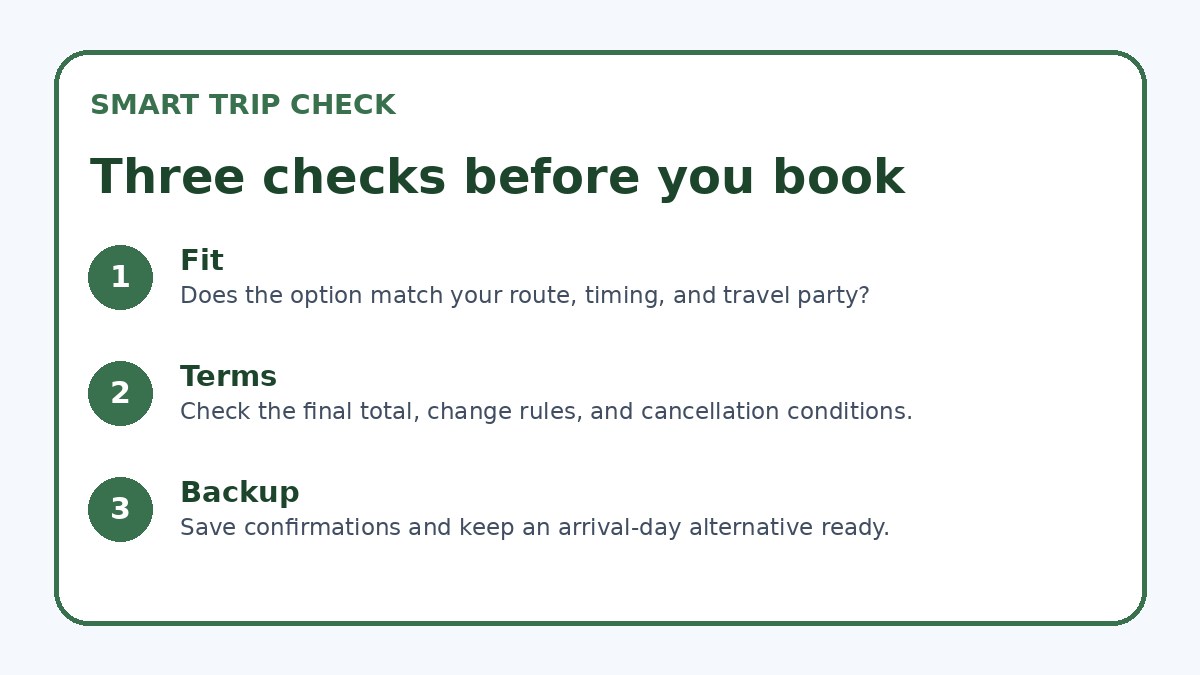
- Confirm the exact pickup address, terminal details (if at airport), and how to get to the lot or counter upon arrival.
- Photograph the rental agreement, agent name, vehicle condition, odometer, and fuel gauge before driving off.
- Verify fuel policy and refuel to the agreed level before returning to avoid refill and service fees.
- Ask about after-hours return instructions and whether a dropbox or counter check-in is required for your return time.
- Check whether your personal auto insurance or credit card covers rental damage and bring documentation to the desk.
- Save the roadside assistance phone number and the rental agent contact for fast help if you have a breakdown.
Insurance, roadside assistance, and solo traveler safety
Decide on coverage based on existing protections: check whether your personal auto policy, credit card, or travel insurance already provides collision damage waiver or liability coverage for rental cars in California. If coverage exists, verify the scope—what deductibles apply, whether it includes loss-of-use charges, and whether it covers other drivers. Ask the rental company to explain what its optional CDW or supplemental liability insurance actually pays out, and get any declinations or coverage selections in writing on your rental contract.
Roadside assistance and emergency contacts are especially important when you’re traveling alone. Confirm whether 24/7 roadside help is included and what constitutes eligible assistance: jump-starts, lockouts, or flat-tire changes. Write down the company’s breakdown number and the local police and tow services in Los Angeles if you plan to drive outside city limits. Finally, consider selecting a vehicle with roadside-friendly features—good spare tire access, clear controls, and a reliable GPS or connectivity—so you can handle unexpected situations solo.
Frequently asked questions
Can I pick up a Los Angeles rental late at night and drop it off early in the morning?
Yes, many Los Angeles locations permit late-night pickups and early returns, but procedures vary. Ask the supplier whether the branch offers 24-hour counters or a shuttle to a secured lot and whether after-hours pickups require a staff member to meet you. For returns outside normal hours, confirm whether you must use a key drop box and whether the company documents the return time with photos. Verify any after-hours fees and how they record return time on the booking page before you finalize.
Should I buy the rental company’s damage waiver or rely on my credit card?
That depends on what your credit card and personal auto policy cover. Many premium credit cards include secondary rental collision coverage that may handle damage after your primary insurance’s deductible, while some offer primary coverage—read your card’s guide to benefits. If your existing coverage has high deductibles or excludes certain vehicle classes, the rental company’s waiver can reduce out-of-pocket risk. Always get written confirmation of declines or purchases on the rental contract and compare the exact exclusions on the provider’s final booking page.
What paperwork and ID will I need as a solo renter in Los Angeles?
Bring the driver whose name is on the booking, a valid driver’s license issued in your home country or an accepted international permit, and the credit card used to reserve the car. Some companies ask for a second form of ID, proof of return travel, or an address for verification. If another driver will use the car, that person typically must be added to the contract in person. Always check the rental company’s stated ID, age, and payment requirements on the booking confirmation to avoid surprises at pickup.
Final planning note
For solo travelers in Los Angeles, the pickup and return terms shape the whole rental experience. Prioritize clear knowledge of the pickup location, documented vehicle condition, fuel and return windows, and which insurance applies to your situation. Balance convenience against potential fees: airport desks shorten your transfer time but can add charges, while city branches may be quieter and cheaper but require extra transit. Use photos and saved contract pages to protect yourself from disputed damage claims, and confirm after-hours procedures if you expect to arrive or return outside normal business hours. Before you click book, read the final booking page, confirm the exact address and hours, and ensure any coverage decisions are recorded on your rental agreement.
Continue planning
Check current options and final conditions
Use the provider page to confirm live availability, the final total, cancellation terms, and every condition that matters to your trip.
This evergreen planning guide was created with AI-assisted drafting and a structured quality review. It does not display live prices, schedules, availability, visa guidance, or provider rankings. Verify current details before booking. Some links are affiliate links; we may earn a commission at no additional cost to you.