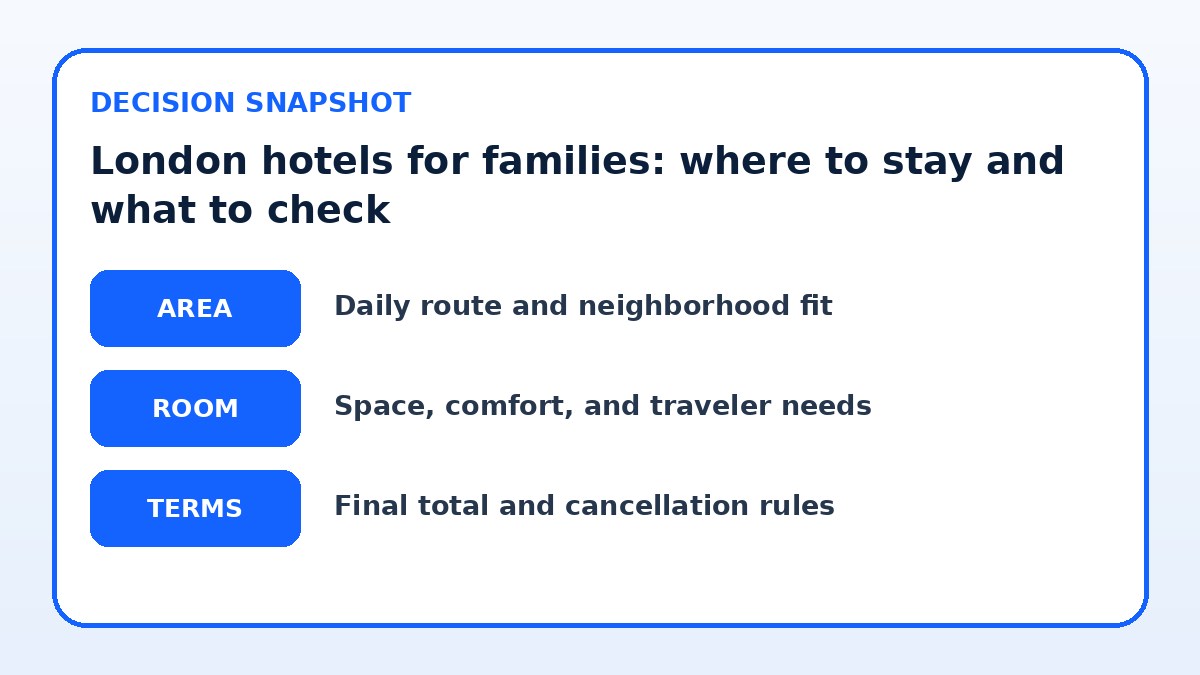
If you’re visiting London with kids for the first time, pick a hotel that reduces daily friction: a central or well-connected neighborhood, rooms sized to keep everyone comfortable, and simple transit options for museums and parks. The practical decision is balancing location, room layout, and family services. A single well-located base saves travel time, while a cheaper outer-zone property can work if close to a Tube or rail link and offers family rooms or easy parking. Before booking, list must-have amenities (cot, extra bed, adjoining rooms, laundry) and non-negotiables (early breakfast, elevator, quiet hours). This article explains the tradeoffs between central and suburban choices, how room types affect your budget and comfort, what to verify on the hotel’s booking page, and quick checks that save stress on arrival.
See current options before you compare the details
Availability and final conditions change. Open Trip.com now or keep reading for the practical comparison.
Pick a neighbourhood with purpose: central convenience vs calmer edges
For first-time visitors, deciding where to base yourselves is the single most impactful choice. Central neighbourhoods such as Bloomsbury, Covent Garden, South Bank, and Kensington put major museums, parks, and family attractions within short walking or Tube rides. Staying centrally reduces morning and evening transit, which is especially helpful with tired children. Expect higher pedestrian noise and smaller rooms in the centre, but you’ll trade that for shorter daily transfer times to landmarks like the Natural History Museum or the London Eye.
Outer zones and riverside areas can offer bigger rooms, calmer streets, and better value per square metre—useful if you need a cot or space for a stroller. If you choose a less central location, prioritise proximity to a Tube or rail station with direct connections; the time saved changing trains or navigating busy interchanges matters. Also consider nearby green spaces and local grocery or pharmacy options, because quick access to essentials is often more valuable than a slightly cheaper nightly rate.
Room types and layout: what works best for families
Room configuration should guide your booking: look for family rooms, suites with a separate sleeping area, or interconnecting rooms. A single large room can be fine with infants, but older kids often need some separation at bedtime. Interconnecting rooms give adults privacy while keeping younger children close; suites add living space to spread out during rainy afternoons. When the hotel lists 'family room' or 'suite,' check dimensions, sleeping arrangements, and whether a sofa bed converts to a proper mattress rather than a thin pullout.
Don’t assume cots, rollaway beds, or childproofing are automatically provided—confirm these specifics on the hotel’s booking page before you pay. If you rely on a cot or need a second bed, request it in writing and note any age or weight limits. Also check whether the bathroom has a shower-only configuration versus a bathtub if bath time matters. Small details—like blackout curtains, bedside lamps, and fridge availability—make late nights and snacks easier, so include them in your comparison.
| Approach | Best for | Tradeoff to check |
|---|---|---|
| Central hotel (Zone 1) | Short walks to major sites and fewer transfers with young children | Smaller rooms and higher nightly rates; potential noise and limited parking |
| Quiet outer-zone hotel | Larger rooms, calm streets, and better value if you want space | Longer daily transit times and possible extra costs for commuting |
| Suite or interconnecting rooms | Privacy for adults and separate sleeping areas for older kids | Higher cost per night but reduces need for multiple rooms |
| Budget family room or apartment | Self-catering, laundry access, and flexible meal options | May lack hotel services like daily housekeeping or on-site childcare |
Ready to check the option that fits your plan?
Use your exact dates and traveler details so the provider page can show the current total and conditions.
Transit, luggage and daily logistics to factor into your decision
London’s public transport is extensive but can be crowded. For families, a hotel that’s a short walk from a reliable Tube or mainline station reduces time spent changing lines and hauling luggage. If you plan to use an Oyster/contactless card or travelcard, check how many Tube zones your hotel sits in—staying in central zones saves time and fares. Also look at step-free access at the nearest station if you’ll use a stroller or mobility assistance; this is often listed on transport websites and should be cross-checked with the hotel for the shortest step-free route.
Consider arrival logistics: if you have a lot of luggage or arrive late, verify whether the hotel offers luggage hold, porter service, or straightforward taxi drop-off. If you’re driving, confirm on-site or nearby parking options before booking—many central hotels in London don’t include dedicated parking. For airport transfers, compare door-to-door options versus public transit: the extra cost of a direct transfer can be worth it for tired children, but a fast rail link plus a short taxi may be equally practical and often quicker depending on your arrival time.
Before you book
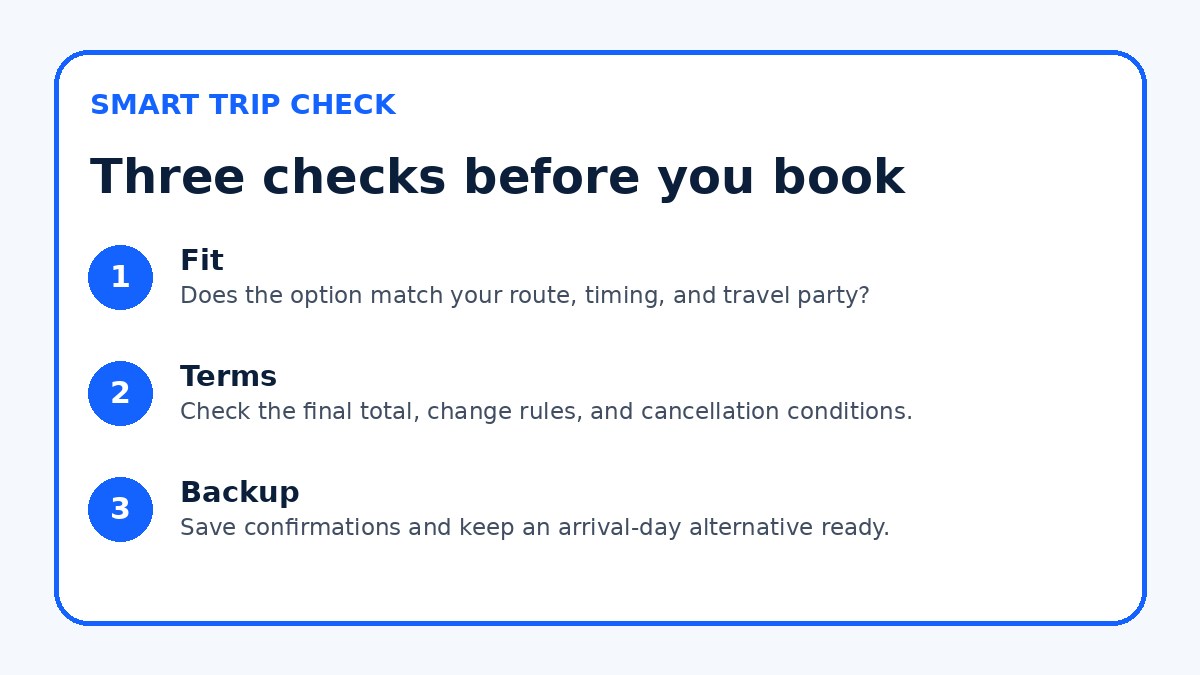
- Confirm room layout (family room, interconnecting rooms, or suite) and request cot or extra bed in writing on the booking page.
- Verify step-free access at the nearest Tube or rail station and the shortest step-free route to the hotel.
- Check breakfast times and whether early or packed options are available for busy mornings.
- Ask the hotel about luggage storage for early arrivals and late departures to avoid hauling bags.
- Confirm cancellation, change, and child-specific policies directly on the provider’s final booking confirmation.
- If driving, confirm on-site or nearby parking details and any height or size restrictions before you arrive.
Services and safety: what to confirm on the booking page
Before you finalize a reservation, check the hotel’s booking page for family-specific details: explicit policies on extra beds and cots, whether breakfast is included and available early, pet policies if you travel with animals, and whether babysitting or child-care services are offered (often for a fee). Verify the hotel’s cancellation and change policies—flexibility can prevent stress if plans shift. If the property displays a photo of a play area, family lounge, or children’s menu, look for more details and, if needed, contact the hotel directly to confirm real availability.
Safety features are equally important: ensure the hotel has clear emergency procedures, functioning locks on windows, and adequate childcare staff vetting if services are listed. Check if rooms have internal interlocks or key card access to reduce hallway traffic. For any transport included or recommended by the hotel—shuttles, tours, or private drivers—confirm the provider, pickup points, and whether booster seats or child restraints are supplied. Always verify these specifics on the hotel’s final booking page before payment.
Frequently asked questions
Is it better to stay near museums like South Kensington or closer to the West End for a family trip?
Staying near South Kensington groups you with the Natural History, Science, and Victoria & Albert museums—ideal for museum-focused days and short walks. The West End and Covent Garden put theatres, family-friendly dining, and central theatres within easy reach, plus short Tube rides to parks and museums. Choose based on your daily rhythm: museum clusters reduce transit between similar activities, while the West End offers evening entertainment and dining choices. Whatever you pick, ensure quick Tube access for flexible cross-city trips.
How can I judge whether a hotel’s family room description actually meets our needs?
Read the room description carefully for bed types, maximum occupancy, and whether sofa beds convert to full mattresses. Look for room photos showing sleeping arrangements and measurement cues; if unclear, contact the hotel to confirm bed sizes, cot availability, and bathroom layout. Ask about blackout curtains, noise levels, and whether the room has a fridge or kettle for snacks and bottles. Request written confirmation of any promised amenities so you can reference them at check-in if needed.
What transport tips reduce stress when staying in London with children?
Plan routes that minimise line changes and long platform walks—direct Tube or rail connections reduce transfer time and stroller hassle. Use step-free stations where possible and confirm step-free exits between platform and street. Allow extra time for busy periods and check whether buses or river services are a simpler, less crowded alternative for specific routes. For airport transfers, weigh the comfort of a direct taxi or private transfer against faster rail links plus a short taxi; the latter can be quicker but requires coordination with luggage and children.
Final planning note
Booking family-friendly London hotels for a first visit is about trading time, space, and convenience to fit your family’s rhythm. Prioritise a neighbourhood that keeps daily travel short and pick room layouts that match your children’s ages and sleeping habits. Verify family-specific services—cots, extra beds, breakfast options, step-free access, and luggage handling—directly on the hotel’s final booking page, and keep written confirmation of any special requests. If you want to compare current availability and conditions across options, a site like Trip.com can be a starting point, but always validate the supplier’s details on its own booking page before paying.
Continue planning
Check current options and final conditions
Use the provider page to confirm live availability, the final total, cancellation terms, and every condition that matters to your trip.
This evergreen planning guide was created with AI-assisted drafting and a structured quality review. It does not display live prices, schedules, availability, visa guidance, or provider rankings. Verify current details before booking. Some links are affiliate links; we may earn a commission at no additional cost to you.