
Most couples planning a Las Vegas trip choose based on two priorities: convenience and shared experiences. If you want late-night shows, off-Strip dining, or day trips to nearby natural attractions, a car rental gives flexibility and privacy. If your plan is to stay on or near the Strip, focus on shows and casinos, and you prefer not to drive or park, public transit, rideshares, and walking can simplify logistics and reduce stress. This article lays out practical tradeoffs — time, cost, comfort, and spontaneity — so you can match transport choices to your itinerary preferences and travel style. Read on to see how typical couple-focused plans map to driving or public transit, and what to check before you book.
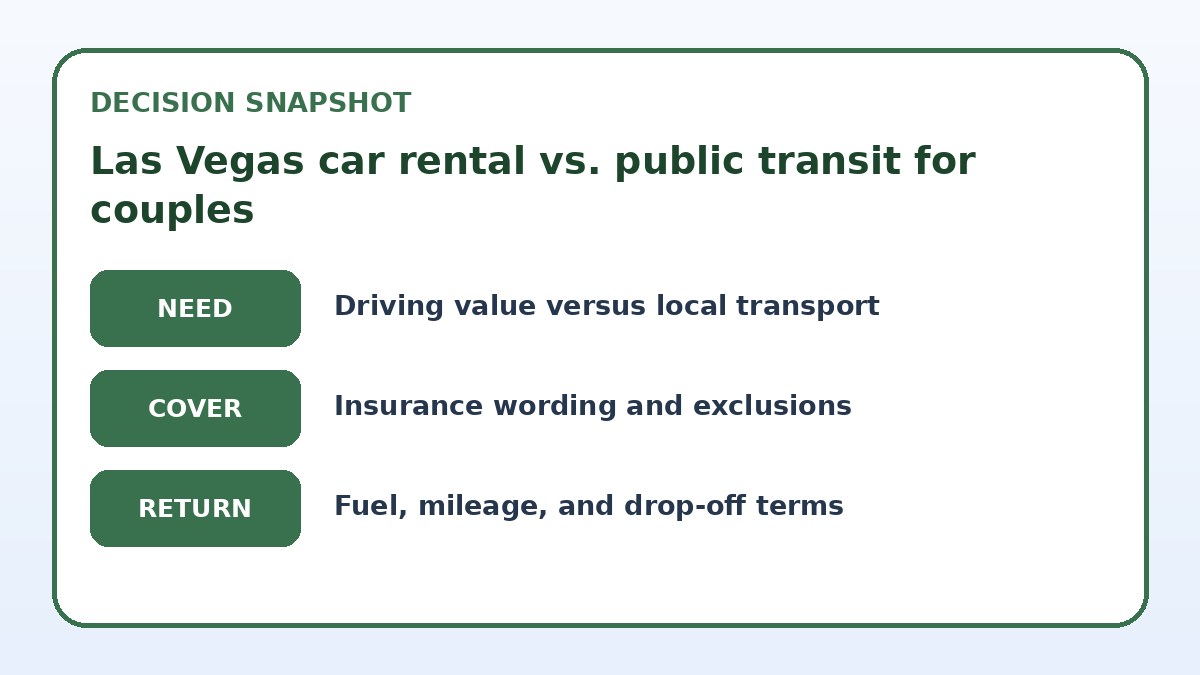
See current options before you compare the details
Availability and final conditions change. Open Trip.com now or keep reading for the practical comparison.
Convenience and where you’ll spend your time
Start by mapping the neighborhoods and venues you plan to visit as a couple. If most of your time is on the Strip or in downtown Las Vegas, many attractions are concentrated and walkable or a short rideshare away. For a hotel-to-show rhythm, you may find public transit, the monorail, or frequent rideshares handle most short hops without the friction of parking. Conversely, if your plan includes romantic sunset viewpoints, outdoor hikes, or small towns nearby, a car reduces transfer times and keeps your schedule flexible.
Consider daily rhythm: arriving at the Strip for dinner and a show often means heavy pedestrian traffic, limited curb parking, and potentially higher parking fees at hotels. For couples who are out late and prefer door-to-door privacy, a car avoids repeated wait times for rideshares and the need to navigate last-mile transit on foot. Think about whether you prefer to spend minutes choosing a parking spot or minutes stepping into a rideshare and heading straight to your next stop.
Cost tradeoffs and practical expenses
Comparing costs between renting a car and relying on public transport requires listing likely expenses for your specific trip. For rentals, consider the base rate, optional insurance, fuel, airport surcharges, and nightly parking where you’ll stay. For transit, add planned rideshare trips, bus or monorail fares, and any extra time costs if you’re shuttling between non-central locations. Couples sharing one car split fuel and rental costs, but fees like parking can add up quickly in busy hotel areas, so estimate those before deciding.
Remember that hidden or variable items often matter more than base fares: airport pick-up rules, hotel parking policies, and surge pricing for rideshares at peak times. When comparing, make a simple spreadsheet or list of your likely daily trips and plug in estimated costs for each approach. Verify any provider-specific terms on the booking page—rental insurer coverage, parking rules at your hotel, or the exact transit fare structure—before committing, and check Trip.com if you want a quick place to compare current availability.
| Approach | Best for | Tradeoff to check |
|---|---|---|
| Renting a car | Couples doing off‑Strip day trips, late departures, or seeking privacy and flexibility. | Added tasks: parking, navigation, fuel, and checking rental terms and insurance. |
| Public transit and monorail | Couples staying on or near the Strip who prefer predictable, lower-effort short trips. | Less convenient for off‑Strip destinations and may require extra walking or transfers. |
| Rideshares and taxis | Couples wanting door-to-door convenience without parking or vehicle returns. | Costs can vary by demand and repeated short trips may add up. |
| Hybrid approach (mix of car and transit) | Couples combining a central stay with one planned day trip or flexible sightseeing. | Requires more planning: timing rentals and coordinating where to park or start trips. |
Ready to check the option that fits your plan?
Use your exact dates and traveler details so the provider page can show the current total and conditions.

Time, stress, and the couple experience
Time is often the currency of a short trip. Driving saves time for door-to-door journeys and gives you control over departure times, but it introduces tasks like navigation, parking, and vehicle return. For couples who enjoy uninterrupted conversations and scenic drives, being behind the wheel can be part of the experience. On the other hand, using public transport or rideshares shifts time spent driving to relaxation or planning, letting you both drink, snack, or nap without worrying about the road.
Stress levels differ by comfort with urban driving and parking. If one partner dislikes driving in unfamiliar, busy areas, public transit reduces tension and removes the need to find and pay for secure parking. Couples should discuss who will drive, how much driving each prefers, and whether one partner wants to be solely a passenger. Factor in how a missed connection—late show ending or traffic—would affect your evening plans, and which option gives you backup flexibility without spoiling the night.
Before you book
- List every venue you plan to visit and mark whether each is on the Strip, downtown, or off‑Strip to identify needed transport types.
- Estimate daily costs for both approaches: rental base, insurance, fuel, parking versus transit fares and rideshare estimates.
- Check your hotel’s parking policy and fees on the hotel’s official page before booking a room.
- If renting, read the rental contract on the provider’s booking page for mileage limits, fuel rules, and insurance options.
- If relying on transit, verify nearest stops, monorail stations, and typical walking distances from stops to venues.
- Decide who will drive and for how long; confirm both partners are comfortable with planned driving responsibilities.
Flexibility for day trips and local exploration
A rental car opens possibilities beyond the city core: red-rock outlooks, Hoover-area viewpoints, or small desert towns are much easier to reach with a vehicle. For couples who value spontaneous detours—stopping at a roadside viewpoint, exploring a state park, or altering plans on a whim—a car is hard to beat. That said, for many classic Las Vegas experiences focused on dining, shows, and nightlife, public transit combined with occasional rideshares can cover typical needs without tying you to vehicle logistics.
If you plan a single major day trip, another option is to rent a car for just that day rather than the whole stay; compare half-day or one-way rentals and local tour offerings that handle transport. When booking any rental for exploration, verify mileage rules, drop-off options, and whether your planned route crosses into areas with different toll or permit requirements. If you’ll rely on transit, check the frequency of connections and whether transit stops are conveniently located for the attractions you want to reach.
Frequently asked questions
If we stay on the Strip, do we really need a rental car?
Many couples staying on the Strip can manage without a rental for the bulk of their trip because hotels, shows, and many restaurants are concentrated and often connected by pedestrian routes, shuttle services, monorail, or short rideshares. Not needing a car reduces parking hassles and frees you from navigation duties. However, if you want to take day trips outside the city or visit attractions that are not well served by public transit, renting a car for specific days or the whole trip may be worth the extra planning and cost.
How should couples decide between renting a car for the whole stay or just for a day trip?
Compare the total rental cost for the full stay with the likely cost of a single-day rental plus rideshare fares for other days. Factor in convenience: a full-stay car avoids repeated pick-ups and returns, while a single-day rental limits vehicle-related costs and reduces parking exposure. Consider splitting tasks—one partner handles the day trip drive while the other relaxes—so the rental feels like a shared experience rather than a chore.
What practical checks should we make before finalizing a car rental in Las Vegas?
Before you book, confirm what insurance coverage you have through your personal policy or credit card and compare that with the rental’s options on the provider’s booking page. Verify airport vs. off-airport pick-up rules, any one-way drop fees if applicable, fuel-policy details, and whether there are local restrictions or tolls on your planned routes. Also check hotel parking rules and availability so you’re not surprised by overnight policies or limited spaces.
Final planning note
For couples, the decision between Las Vegas car rental and public transport comes down to your itinerary and travel style. If your plans include off‑Strip discoveries, scenic drives, or simply the freedom to change plans on a whim, a rental car delivers privacy and flexibility. If your trip centers on Strip shows, restaurants, and nightlife with short distances between venues, public transit and rideshares reduce logistic hassles and let you relax. Use the checklist and cost comparison approach here to quantify tradeoffs, verify provider terms on booking pages, and choose the option that supports the kind of shared experience you want.
Continue planning
Check current options and final conditions
Use the provider page to confirm live availability, the final total, cancellation terms, and every condition that matters to your trip.
This evergreen planning guide was created with AI-assisted drafting and a structured quality review. It does not display live prices, schedules, availability, visa guidance, or provider rankings. Verify current details before booking. Some links are affiliate links; we may earn a commission at no additional cost to you.