If you’re a solo traveller considering Auckland travel deals, check the full trip cost before you hit confirm. That means adding the base fare or room rate to mandatory extras—baggage, seat selection, accommodation taxes, city or resort fees, airport transfers, and likely transport passes or car hire. Also estimate daily expenses like food, activities, and occasional taxis. Doing this comparison up front avoids surprises and helps you choose a deal that fits your real budget, not just the headline price. Below I’ll list the exact items to add, show how to compare package versus a la carte bookings, and explain the tradeoffs that affect comfort, flexibility and total spend.
See current options before you compare the details
Availability and final conditions change. Open Trip.com now or keep reading for the practical comparison.
Build the honest total: what to include
Start by listing every cost element tied to the booking. For flights, that includes base fare plus baggage, seat selection, credit card fees, and any government or airline-imposed surcharges. For accommodation, add taxes, city or occupancy fees, and mandatory service charges. If a deal looks cheap because it advertises a low headline price, it’s often the extras that close the gap between a bargain and a comparable option with a higher visible rate.
Don’t forget transport and arrival costs. An airport bus, rail link or shared shuttle will be far cheaper than a taxi but may have limited schedules or multiple stops. If you plan to rent a car in New Zealand, factor in vehicle insurance options, fuel, and parking; if you rely on taxis or ride-hail occasionally, add those estimates to daily costs. Finally, include predictable daily spending—meals, coffee, museum or ferry fares—to reach a realistic trip total.
Compare package vs. DIY bookings
Package deals bundle flights, hotels and sometimes transfers; they can simplify booking and provide clarity on what's included. But packages may lock you into specific times, limit seat or room choices, and still leave out key extras like baggage or resort fees. When considering a package, read the fine print: confirm the baggage allowance, transfer details, cancellation rules, and which taxes are included. If any element is unclear, contact the provider before booking so you’re not surprised by add-ons at checkout.
Booking components separately gives more control—pick flight times, preferred hotels, and local transport that match your pace. This approach can be better for solo travellers who value independence, but it requires discipline to add every cost. Use a spreadsheet or booking checklist to total fares, fees, transfers and daily estimates. Also compare the total cost of a custom DIY plan with a package’s all-in price; sometimes the convenience of a package justifies a small premium, and other times DIY saves money while matching your preferences.
| Approach | Best for | Tradeoff to check |
|---|---|---|
| Package deal with transfers included | Travellers who want a single-price, lower planning effort | Less flexibility on times and potential gaps in what's actually covered |
| Separate flight and hotel bookings | Independent solo travellers customising times and locations | Requires careful totaling of extras and more time comparing policies |
| Non‑refundable fares and prepaid hotels | Travelers confident in fixed dates seeking lower headline costs | Higher financial risk if plans change; limited or no refunds |
| Flexible/refundable options | Travelers prioritising schedule changes or uncertain plans | Higher upfront cost that increases total trip spend |
Ready to check the option that fits your plan?
Use your exact dates and traveler details so the provider page can show the current total and conditions.
Flexibility, refunds and cancellation tradeoffs
Flexible fares and refundable hotel rates cost more up front but reduce financial risk if plans change. Solo travellers should assess their likelihood of itinerary changes—work, health, or personal reasons—before deciding. If your schedule is fluid, the extra cost for refundable options can be worth it. If you can be firm about dates, the savings from non-refundable fares or prepaid rates might make more sense. Always model the worst-case cost: how much you’d forfeit if you cancelled, changed dates, or missed connections.
When verifying flexible policies, read the provider’s cancellation and change terms on the final booking page. Look for precise wording about credit versus cash refunds, cancellation windows, and any administrative fees. For flights that involve connections, learn how the carrier treats missed connections and whether protections exist. For hotels, confirm whether the property retains a deposit or charges a fee when dates shift. Understanding these details before paying avoids unpleasant surprises and helps pick the right balance between price and peace of mind.
Before you book
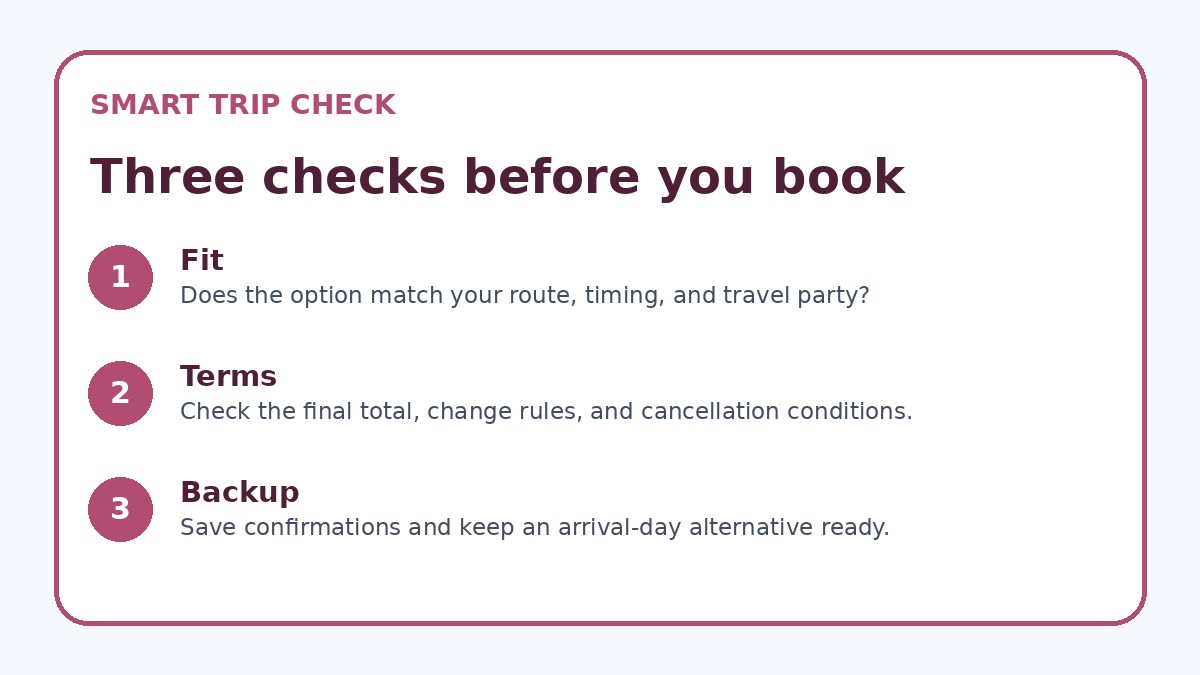
- Open the final booking page and verify the total cost line by line, including taxes, fees, and mandatory charges.
- Confirm baggage allowance and seat selection fees for flights; add them to the headline fare before comparing.
- Check transfer type and schedule from Auckland Airport to your accommodation; note any extra charges or timing constraints.
- Read cancellation and change policies for each component and calculate the maximum loss if plans change.
- Estimate daily costs for food, local transit, attractions and add a 10–20% contingency buffer to your budget.
- Save screenshots of price breakdowns and policy text from booking confirmations for dispute evidence if needed.
Practical verification steps before you click buy
Before confirming any Auckland travel deal, open the provider’s final booking page and verify the full cost breakdown line by line. Check ticket or room inclusions, baggage rules, transfer arrangements, and mandatory taxes. If a listing mentions airport transfers, confirm whether it’s private, shared, or requires specific arrival times. For third-party agents, ensure the supplier responsible for each element is clearly named, and note which cancellation policy applies to each component.
Cross-check refunds and change policies, payment protection options, and whether any government travel advisories might affect your trip. For independent price comparison, you can consult a site like Trip.com as one of several places to see availability and current conditions, but always confirm final fares and cancellation terms on the supplier’s own booking page before paying. Save screenshots or confirmation emails showing the full price breakdown and terms—those are your evidence if a discrepancy arises.
Frequently asked questions
How do I compare a cheap flight plus a midrange hotel with an all-in package?
Total the cheapest flight’s true cost by adding baggage, seat selection and any payment fees. Add the hotel’s nightly rate plus taxes and mandatory service charges, then include transfers and an estimate for daily spending. Compare that full sum with the package price and verify both options’ cancellation and change rules on the provider’s final booking page. If the package includes convenience elements you value—like guaranteed transfers or luggage handling—the premium may be worth it; otherwise the a la carte total could be cheaper.
What should solo travellers prioritize when choosing transport from Auckland Airport?
Weigh price against convenience and timing. Shared shuttles and airport buses are budget-friendly but may run on set schedules and stop at multiple hotels. Trains or express links can be faster but might require transfers. Taxis and ride-hail services are door-to-door and quicker for late arrivals but cost more. Check schedules, baggage rules, and explicit transfer pickup points on the provider’s booking pages; if an arrival coincides with late-night or early-morning flights, factor possible surcharges or fewer options into your total cost.
Should I book refundable rates just in case my plans change?
Decide based on your risk tolerance and the likelihood of change. If you have a stable schedule and can absorb some loss, non-refundable rates save money. If job uncertainty, medical risk, or other variable factors make changes plausible, the extra for refundable or flexible options can be insurance against large losses. Read the fine print to learn exactly how refunds are processed—cash refund versus travel credit—and whether change fees apply. That detail is on the final booking page and determines how truly flexible a rate is.
Final planning note
Solo travellers booking Auckland travel deals should always look past the headline price. Add every predictable cost—baggage, seat fees, taxes, transfers, and daily expenses—then compare the net total of packages and separate bookings. Balance savings against flexibility: cheaper non‑refundable options lower upfront spend but raise cancellation risk, while refundable or bundled options cost more but simplify logistics. Verify every material fact on the supplier’s final booking page, keep evidence of price breakdowns, and use a clear checklist before you pay. That approach turns an attractive headline deal into a decision you can trust.
Continue planning
Check current options and final conditions
Use the provider page to confirm live availability, the final total, cancellation terms, and every condition that matters to your trip.
This evergreen planning guide was created with AI-assisted drafting and a structured quality review. It does not display live prices, schedules, availability, visa guidance, or provider rankings. Verify current details before booking. Some links are affiliate links; we may earn a commission at no additional cost to you.