
Practical answer first: for most couples planning a trip to Auckland, aim to start monitoring fares and accommodation 3–6 months before your intended travel dates, and make firm bookings about 6–10 weeks out for the best balance of choice and flexibility. If you travel in a peak season for your schedule—school holidays or public holidays—move that timeline earlier by another 4–8 weeks. If you’re flexible on dates and lodging, waiting until 4–6 weeks before departure can sometimes pay off, but it increases the risk of limited room types or fewer direct flight options. Use this article to weigh the tradeoffs—cost, availability, flexibility, and special events—so you pick a booking window that fits your couple’s priorities rather than chasing a single “best” day to buy.
See current options before you compare the details
Availability and final conditions change. Open Trip.com now or keep reading for the practical comparison.
Decide what matters most to your trip
Begin by agreeing with your partner which elements of the trip are non-negotiable: specific travel dates, a particular neighbourhood in Auckland, direct flight times, or a certain hotel room category. Couples who prioritise romantic rituals—sunset harbour walks, anniversary dinners at a recommended neighbourhood restaurant—should lock the elements that enable those moments earlier. If you both value spontaneity and don’t mind where you stay or how you get there, you can use a shorter booking window and accept more variability in schedules and hotel amenities.
Once you know your priorities, you can map them to booking risk: things that are scarce (peak-season rooms, specific flight times, or festival dates) require earlier bookings, while plentiful options (midweek travel outside school holidays, a range of midscale hotels) allow for later decisions. Explicitly list the top three priorities as a couple and treat booking urgency as proportional to scarcity. This shared decision makes tradeoffs—cost, certainty, and flexibility—easier to manage and reduces last-minute friction.
How seasonality and events change the window
Auckland’s calendar affects inventory in predictable ways. High demand around school holidays, long weekends, and major local events shrinks both flight seats and desirable hotel rooms sooner. For couples planning travel during predictable busy periods, move the suggested monitoring and booking schedule earlier by at least four to eight weeks. If you expect to travel during an off-peak month or midweek, the market has more slack—shorter booking windows are less risky and may yield better upgrade opportunities or flexible rates.
If your trip overlaps with specific events—concerts, conferences, or sports fixtures—treat those dates like peak travel; verify event schedules before you lock anything and expect fewer last-minute options. When checking providers’ pages for flights and hotels, always confirm cancellation and change terms, room inclusions, and whether any event surcharges apply. Trip.com can be used once to compare current availability and conditions, but always complete your purchase on the provider’s booking page and verify the final terms there.
| Approach | Best for | Tradeoff to check |
|---|---|---|
| Book far in advance (4–6+ months) | Couples with fixed dates, special celebrations, or need for specific rooms or flight times | Higher certainty and choice but less chance to capitalize on late deals and potential schedule changes |
| Mid-range window (6–10 weeks) | Couples balancing price, choice, and moderate flexibility | Good inventory and reasonable flexibility, but peak dates may already be limited |
| Short window (4–6 weeks) | Flexible couples prioritising price or opportunistic deals | Lower cost potential but fewer options for specific rooms, direct flights, or precise dates |
| Last-minute (under 4 weeks) | Spontaneous couples who prioritise flexibility over specific choices | High risk of limited availability and unpredictable final prices or routing |
Ready to check the option that fits your plan?
Use your exact dates and traveler details so the provider page can show the current total and conditions.
Balancing price versus flexibility as a couple
Couples often face choices between a lower nonrefundable fare or rate and a higher flexible option. If your dates are fixed and you’re confident in plans, a less flexible rate may save money, but you should only choose it if both partners accept the possibility of change penalties. If one partner’s work schedule or health concerns create risk, prefer refundable or change-friendly options even if they cost more. Consider splitting risk: book critical nights or flights with flexible tickets and reserve other nights on cheaper, nonrefundable rates.
Also think about how you’ll handle unexpected changes together. Does one partner prefer certainty while the other wants spontaneity? Decide in advance what level of change fee you’re willing to accept. Review the exact cancellation and change policies on the airline or hotel booking page before you commit—look for what’s included, how much any credit is worth, deadlines for free changes, and whether the vendor charges separate service or processing fees.
Before you book
- Agree with your partner on the top three trip priorities (dates, neighbourhood, flight times) before you start hunting for deals.
- Set price and availability alerts for flights and hotels matching your priorities and share alerts in a joint chat or document.
- Decide in advance the maximum change or cancellation fee you’re willing to pay, and prioritise refundable or flexible rates if needed.
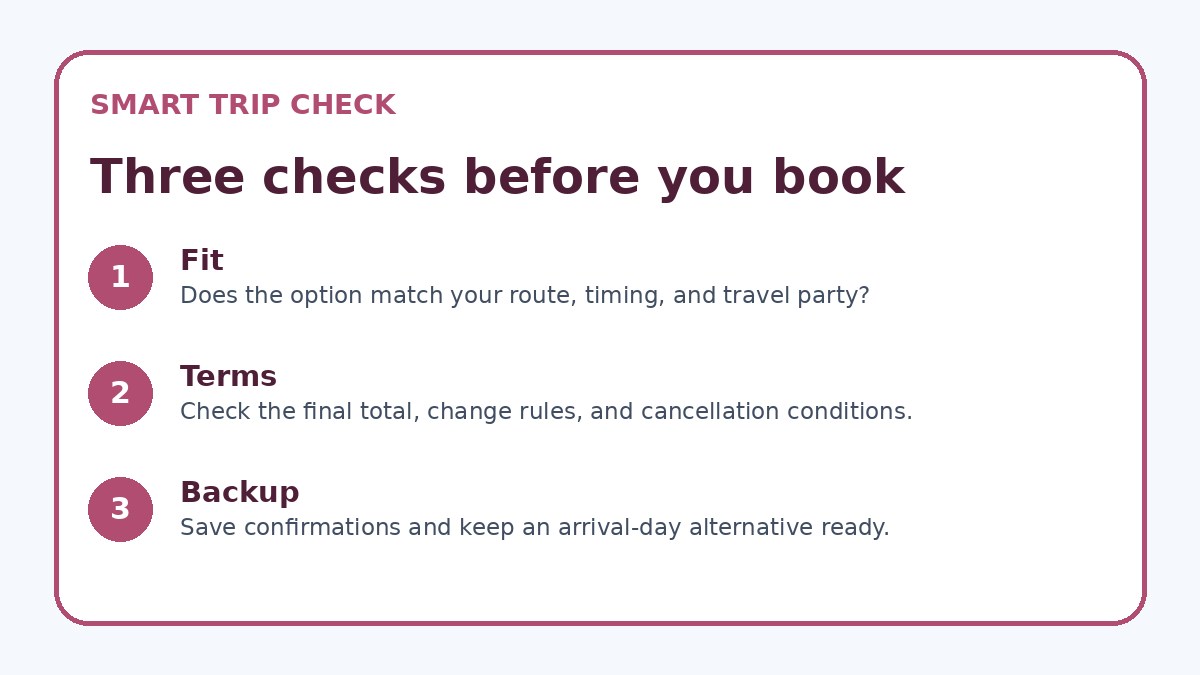
- When ready to book, read the airline or hotel’s final booking page for baggage rules, room inclusions, and exact cancellation terms.
- Check local event calendars for Auckland around your dates to avoid accidental overlaps with sold-out periods.
- Plan payment and confirmation management: which partner pays, who receives emails, and how you’ll access reservation changes.
Practical tactics for couples to monitor and book
Set up targeted alerts for flights and hotels that match your agreed priorities—specific days, preferred hotels or neighbourhoods, and nonnegotiable flight arrival windows. Compare nearby airports and connecting options if direct services are important; if direct flights exist, weigh the convenience against potential cost and connection availability. Use a shared document or chat thread to save options you both like, and set a decision deadline so you don’t miss the best practical window you agreed upon.
When you find a candidate itinerary, pause and verify the provider’s final booking details: baggage rules, seat selection fees, add-on costs, hotel room inclusions, and the cancellation or amendment policy. If you’re booking packages, confirm exactly what components are changeable and where to manage each portion. For payment, decide whether to use a joint card, one partner’s card, or split payment methods—verify who receives confirmations and how to update contact details if plans change.
Frequently asked questions
How far in advance should we book flights to Auckland if we want direct options?
If a direct flight option is important to both of you, start monitoring schedules and fares as soon as you settle on dates—three to six months is a sensible monitoring window. Book as early as possible once you find a direct itinerary that fits your schedule because specific direct flights (preferred times, seats together) are limited and can sell out earlier than connecting options. Before purchasing, check the airline’s final booking page for seat selection policies, baggage rules, and change fees so you know the true total cost and flexibility.
Should we wait for last-minute hotel deals in Auckland or lock in now?
That depends on how specific your accommodation needs are. If you want a particular neighbourhood, room category, or hotel with certain amenities, book earlier—at least two to three months ahead for busy periods. If you’re flexible about location, midweek travel, or willing to accept different hotels, waiting until four to six weeks can reveal discounted last-minute inventory. Always verify cancellation rules and whether any breakfast, parking, or resort-fee details are included on the property’s booking page before you commit.
How can couples split risk between price savings and booking certainty?
A practical approach is to divide the trip into ‘must-have’ and ‘nice-to-have’ elements. Buy flexible or refundable tickets for non negotiable parts—key flights or the anniversary night—and book cheaper, nonrefundable options for less critical nights. Alternatively, secure refundable rate plans for the first nights to cover arrival uncertainty and reserve later stays on cheaper rates once you’re on the ground. Always confirm the exact refund or change process on the provider’s reservation page so you understand timing and any fees.
Final planning note
Choosing a realistic booking window for Auckland travel deals is about matching your couple’s priorities to the market realities: scarcity, seasonality, and your tolerance for change. Start by agreeing on the non-negotiables, then map those needs to an appropriate timeline—earlier for fixed dates and special-room types, later if you prize flexibility and can accept uncertainty. Use monitoring tools to learn price rhythms, set decision deadlines, and always verify final terms on the provider’s booking page before paying. With a shared plan and clear tradeoffs, you’ll book confidently and keep the focus on enjoying the trip together rather than stressing over timing.
Continue planning
Check current options and final conditions
Use the provider page to confirm live availability, the final total, cancellation terms, and every condition that matters to your trip.
This evergreen planning guide was created with AI-assisted drafting and a structured quality review. It does not display live prices, schedules, availability, visa guidance, or provider rankings. Verify current details before booking. Some links are affiliate links; we may earn a commission at no additional cost to you.