
Practical answer up front: for family trips to Manila, target the shoulder seasons—the intervals between high summer/holiday peaks and the wet monsoon extremes—so you can expect fewer crowds, more flexible hotel availability, and better chances of kid-friendly activities running without full-capacity lines. Use this approach to compare travel windows, flexible fares, family rooms versus connecting rooms, and refundable booking options on flights and hotels. Prioritize accommodation near transit and medical facilities if you travel with younger children or special-needs family members. After the quick guidance below, this article walks you through the tradeoffs of timing, what to verify on booking pages, and how to build a family-friendly itinerary that works even if weather or schedules shift.
See current options before you compare the details
Availability and final conditions change. Open Trip.com now or keep reading for the practical comparison.
Why shoulder seasons matter for family trips
Shoulder seasons matter because they offer a balance: fewer tourists than the peak holiday months, but still serviceable weather that keeps outdoor options open for children. For families that want to mix indoor attractions—museums, malls with play areas, aquariums—with half-day outdoor outings, these periods reduce the likelihood of long queues and sold-out time slots. Less congestion at major family attractions and transport hubs also shortens transit times within the city, which can make a big difference when you’re moving a stroller, carrying a toddler, or trying to keep older children patient between sites.
Timing your visit in a shoulder period typically means more hotel room types are available—larger family rooms, interconnecting rooms, or suites that providers might otherwise allocate to high-paying peak guests. That availability lets you compare real family value: more space, on-site laundry, or kitchen facilities can reduce dining costs and meal stress with picky eaters. Still, shoulder seasons can be variable—weather can swing unexpectedly—so build flexibility into daily plans and confirm local opening hours for attractions before finalizing bookings.
How to compare Manila travel deals for families
Start with the big-ticket items: flights and accommodation. Compare fares with flexible change and cancellation options, especially if you travel with infants or have school commitments. When looking at hotels, compare family-room configurations (one large room versus two interconnecting rooms) and the practicalities: can you request a crib, is there elevator access for strollers, and how close are emergency services? Don’t rely on third-party listings alone; review the hotel’s own booking page to confirm bed setup, child policies, and any additional fees that matter for families.
Next, add transport and activity costs into the comparison. Manila often requires time on road transfers; factor in airport transfers, typical taxi or rideshare costs to the neighborhood you plan to stay in, and the logistics of moving between sights with children. For activities, check whether attractions require timed-entry tickets and whether they offer child discounts or supervised kids’ programs. Finally, use flexible filters on booking sites to compare refundable rates and family-friendly amenities—Trip.com can be one place to check current availability, but always verify specifics on provider pages before you book.
| Approach | Best for | Tradeoff to check |
|---|---|---|
| Travel in peak season | Families who want guaranteed full services and scheduled events | Higher crowds, less room availability, and typically higher rates for family-sized rooms |
| Travel in shoulder season | Families seeking balance of lower crowds and workable weather | Weather can be variable; some seasonal services or timed events may be reduced |
| Travel in low/monsoon season | Families prioritizing very low prices and quiet attractions | Higher chance of rain, limited outdoor options, and fewer child-specific activities open |
| Split-season strategy (arrival in shoulder, depart low season) | Families with flexible calendars wanting quieter second half of trip | Packing for mixed weather and staggered event availability increases planning complexity |
Ready to check the option that fits your plan?
Use your exact dates and traveler details so the provider page can show the current total and conditions.
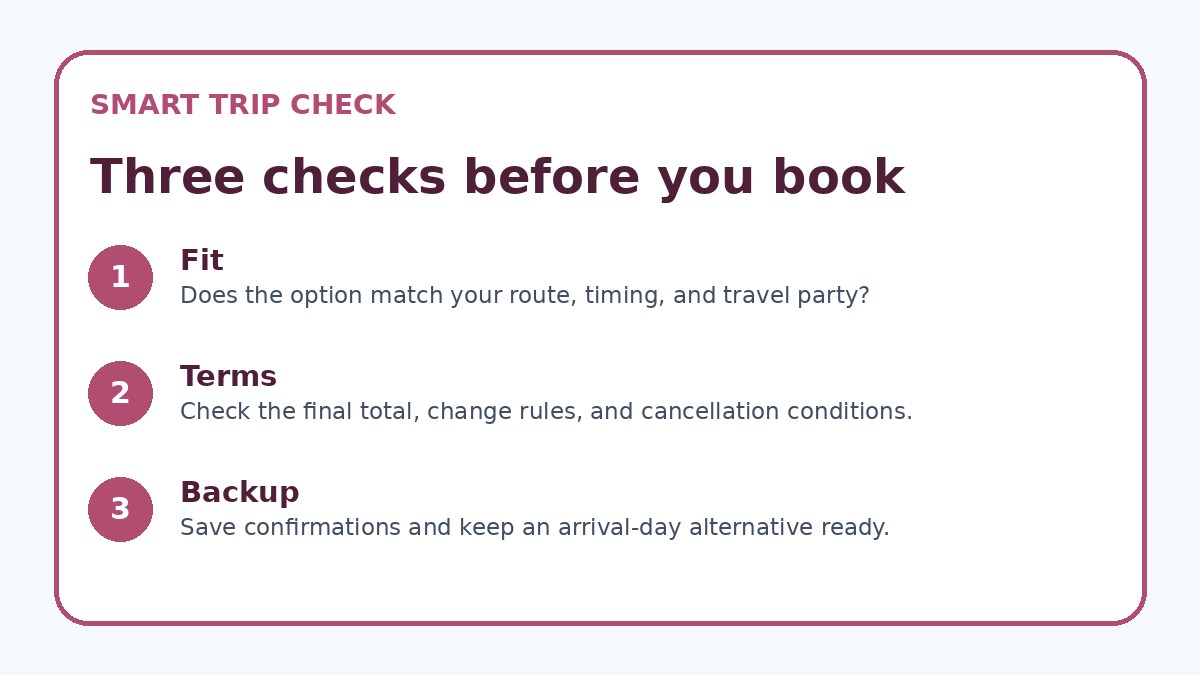
Choosing the right neighborhood and accommodation
Selecting the best area to stay depends on your family’s priorities. For shorter transit times to attractions and hospitals, pick a neighborhood with good public transit links or reliable airport transfer options; if you want more dining and grocery options within walking distance, choose a mixed-use district with malls or markets. Families who prefer quieter evenings might favor residential neighborhoods with parks, while those who want easy nightlife and dining access will prioritize central business or retail districts with more evening options and security presence.
Within each neighborhood, evaluate accommodations on family-centric practicalities: room layout and size, kitchen or kitchenette availability, laundry access, and communal spaces for children to play safely. If you need to limit walking after a long travel day, prioritize hotels offering meet-and-greet airport services or shuttle connections. When comparing rates and room types on any booking page, check the cancellation terms, child-age policies, and whether extra beds or cribs incur additional charges—these small details often change the true value of an advertised deal.
Before you book
- Compare refundable flight and hotel rates and note exact change/cancellation terms on the provider’s booking page before committing.
- Confirm child-age policies, crib or extra-bed availability, and any associated fees directly with the hotel prior to booking finalization.
- Map the nearest hospital or medical clinic and confirm estimated taxi or transit time from your chosen accommodation.
- List indoor backup activities within a short ride of your hotel and check their timed-entry rules and child discounts on official sites.
- Pack a day kit for each child with snacks, basic medications, a change of clothes, and lightweight rain protection for sudden showers.
- Prebook airport transfers or compare verified rideshare options and note surge or safety policies for late arrivals.
Building a flexible family itinerary around shoulder-season realities
Design days with built-in alternatives: pick two morning activities and two shorter afternoon options close to each other so you can swap plans if rain or heat becomes a factor. Include at least one indoor backup—an interactive museum, an aquarium, or a large shopping center with play areas—within a short taxi or transit ride. For mealtimes, identify a few nearby family-friendly restaurants with simple menus and quick service; when you’re traveling with children, minimizing wait times keeps the day enjoyable for everyone.
Reserve high-effort attractions—those that require long queues, long transfers, or early starts—for the clearest-weather days, and leave low-effort options for uncertain mornings. Allow downtime in the middle of the day for naps or cooling off at your hotel, and spread travel days apart from large activities to avoid travel fatigue. Finally, plan to verify attraction opening hours, transport schedules, and hotel child policies on provider pages within 24–72 hours before departure—those are the details that change most often and matter for families.
Frequently asked questions
When are Manila’s shoulder seasons best for families, and what tradeoffs should we expect?
Shoulder seasons broadly fall between the busiest holiday months and the wettest monsoon periods. For families, these windows often bring fewer tourists and better hotel room availability while avoiding extreme daily rain that happens in the monsoon. Tradeoffs include more variable weather—occasional showers or higher humidity—and the possibility that some seasonal events or tours operate on reduced schedules. Plan flexible days with indoor alternatives, and verify attraction opening times and transport options shortly before travel to avoid surprises.
How do we evaluate a hotel deal to ensure it is family-friendly and worth the fare?
Don’t just compare nightly rates—check room configuration (family room vs interconnecting rooms), child policies, whether cribs or rollaway beds are provided, and any extra-child fees. Look for practical amenities like kitchenettes, laundry, elevator access, and proximity to grocery or pharmacy services. Also confirm cancellation and change penalties on the hotel’s final booking page, and read recent guest feedback that specifically mentions stays with children. Contact the hotel directly if you need to confirm specifics not shown online.
Should we book attractions and transfers before arriving or wait to decide based on weather?
Balance is key: prebook time-sensitive attractions and airport transfers to secure preferred time slots and reduce first-day logistics stress, especially with tired children. For outdoor activities susceptible to rain, keep a short list of pre-verified indoor alternatives you can reserve with shorter notice. Choose flexible or refundable ticket options when available, and confirm the provider’s change and cancellation policies on their booking pages so you can adapt plans without unexpected costs.
Final planning note
Planning Manila travel deals around shoulder seasons is a practical way for families to reduce crowds and access better hotel configurations while limiting the worst of seasonal rains. The approach requires accepting some weather variability and prioritizing flexibility: refundable fares, family-friendly amenities, and nearby medical and grocery options matter more than the headline room rate. Build daily itineraries with realistic travel time for children, keep indoor backups ready, and confirm critical details—transfer terms, child policies, attraction hours—on the providers’ booking pages before you finalize. With those checks in place you’ll get quieter visitation, more booking choices, and a smoother family trip overall.
Continue planning
Check current options and final conditions
Use the provider page to confirm live availability, the final total, cancellation terms, and every condition that matters to your trip.
This evergreen planning guide was created with AI-assisted drafting and a structured quality review. It does not display live prices, schedules, availability, visa guidance, or provider rankings. Verify current details before booking. Some links are affiliate links; we may earn a commission at no additional cost to you.