Practical answer up front: before you click book on any Da Nang travel deal, add immediate costs (fare or room), arrival transport, local transfers, daily budget, travel insurance, and one flexible buffer to estimate your true trip cost. For solo travelers that means treating per-person expenses and minimums differently—single rooms, taxi minimum fares, and solo-carriage ride options can change your daily outlay. Use the deal price only as a headline number; build a simple spreadsheet or note listing each category and the source you’ll verify on the provider’s final booking page. This approach prevents surprises and saves time comparing offers: you can compare complete trip totals across different flight times, neighborhoods, and booking channels instead of being seduced by a low headline fare.
See current options before you compare the details
Availability and final conditions change. Open Trip.com now or keep reading for the practical comparison.
How to build a full-cost checklist for Da Nang
Start by listing every expense category you’ll encounter from the moment you leave home until you return. Core categories should include outbound and return transport to Da Nang, taxes and fees shown at checkout, checked-bag and seat-selection fees, local airport transfers, first-night accommodation cost, daily food and drink, local transport (taxis, ride-hailing, scooter rental), and travel insurance. Add a line for visas or entry requirements if applicable to your nationality, and a small contingency for medical or schedule disruption. For solo travelers, note when a rate is charged per person or per room—savings from shared rooms don’t apply, so solo pricing can be higher.
Quantify each line with a realistic low and high estimate rather than a single figure. Use official provider pages to confirm fees you’ll pay on booking—airlines will show baggage and seat fees on their checkout page, and hotels will list compulsory taxes or resort fees in the final invoice step. For categories like food and taxis, look for locally written travel blogs and recent forum threads for typical solo-traveler costs, then favour a conservative midpoint. With two columns—estimated and verified—you’ll quickly see which deals are genuinely cheaper after accounting for all charges.
Comparing flight and arrival options without assumptions
Don’t assume a deal labelled ‘flight to Da Nang’ means a direct journey or a seat that includes checked luggage. When comparing flights, open each airline’s checkout page and note total price after baggage, seat selection, and taxes are added. Also compare schedule tradeoffs: an earlier arrival might raise your daytime transfer costs but give you a full afternoon in the city; a late arrival could mean paying more for a private transfer or a night in a nearby airport hotel. If connecting flights are an option, write down the minimum connection time you’re comfortable with and whether the itinerary requires re-checking luggage or clearing immigration.
Estimate your arrival transfer cost three ways: public bus or shared shuttle, ride-hailing app, and private taxi or hotel transfer. For accuracy, check maps for the actual distance from Da Nang International Airport to your preferred neighbourhood and then compare the route options with recent local sources. If you plan to rent a scooter or use multiple ride-hail trips, include the daily rental or per-ride average. Finally, confirm on the provider’s final booking page whether transfers are refundable, cancellable, or charged at full price to avoid last-minute surprises.
| Approach | Best for | Tradeoff to check |
|---|---|---|
| Book the cheapest headline flight or room | Travelers with tight cash limits who can accept uncertain add-ons | Lower upfront cost may hide baggage, transfer, or single-occupancy fees that raise the final price |
| Choose a higher base fare or flexible rate | Solo travelers who value flexibility and clearer cancellation rules | You pay more upfront but reduce the chance of losing money to last-minute changes |
| Bundle transport and accommodation | Those who prefer a single checkout and potentially simpler logistics | Bundles can obscure individual fees; verify each component’s terms on the provider page |
| Assemble bookings à la carte (separate flight, hotel, transfers) | Shoppers who want control and can hunt for exact services that match needs | Requires more time to compare and may lack combined support if plans change |
Ready to check the option that fits your plan?
Use your exact dates and traveler details so the provider page can show the current total and conditions.
Choosing accommodation: neighbourhoods, single rates, and extras
For solo travelers picking a place to stay in Da Nang, compare total nightly cost including mandatory taxes, service fees, and single-occupancy supplements. Look beyond headline platform prices and inspect the provider’s booking page for any compulsory surcharges and cancellation terms you would face. Location matters: beachfront or riverside hotels may reduce daily transport costs if you plan to stay close to attractions, whereas city-centre guesthouses might be cheaper but require more taxis or ride-hailing. Check whether the property charges for airport pick-up, late check-in, luggage storage, or communal facilities such as lockers or bicycles.
Balance cost against convenience by mapping where you want to spend time—My Khe Beach, Han River, Marble Mountains or the central market—and selecting accommodation that minimizes expensive daily transfers. If the deal includes free breakfast, estimate whether it will replace a lunch or dinner and adjust your food budget accordingly. For longer stays, verify laundry rates and the availability of kitchen access for cooking; both can substantially lower the overall per-day cost. Always confirm cancellation penalties and the exact final payable amount on the booking page before committing.
Before you book
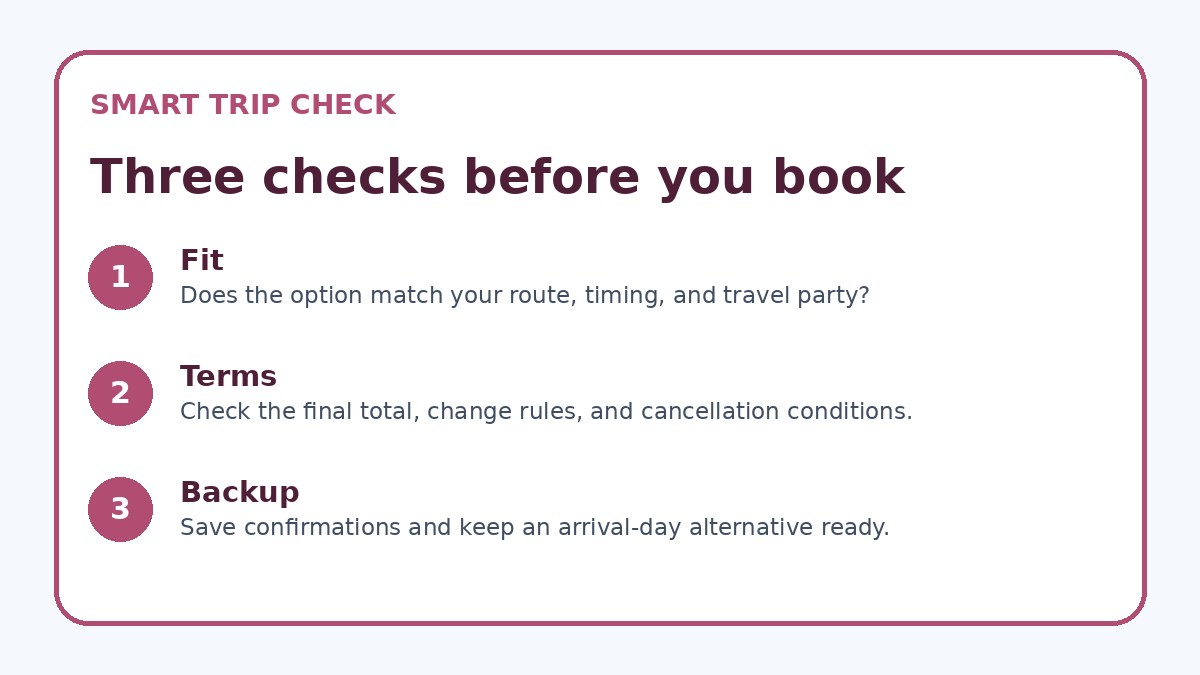
- Open the airline checkout page and confirm final fare including taxes, baggage, and seat-selection fees before comparing.
- Map the distance from Da Nang airport to your hotel and price public, ride-hail, and private transfer options for arrival.
- Check the accommodation’s final invoice step for compulsory taxes, single-occupancy supplements, and cancellation penalties.
- Estimate a daily budget that separates essentials from discretionary activities, then add a 10–20% contingency buffer.
- Verify travel insurance coverage, exclusions, and required documentation on the insurer’s policy page before purchase.
- Save screenshots or PDFs of final booking pages showing total payable amounts and refund/change terms for every reservation.
Daily budget, extras, and risk planning for solo travelers
Create a realistic daily budget that separates essentials from discretionary activities. Essentials cover local transit, meals, basic entrance fees, SIM or eSIM data, and small incidentals like bottled water. Discretionary items include day trips to Hoi An or Ba Na Hills, boat tours, or organized cooking classes. For each discretionary plan, check whether a deposit or prepayment is required and whether the activity operator keeps refunds for cancellations. Add a contingency line—typically 10 to 20 percent of your planned daily spend—to handle small emergencies or a spur-of-the-moment experience without derailing your finances.
For risk planning, factor in travel insurance premiums that cover medical evacuation and trip interruption, and verify what is required by your insurer on their policy page. If travelling solo, consider slightly higher buffer amounts for private transfers at odd hours or for luggage handling, since splitting costs isn’t an option. Keep digital copies of important bookings and payment receipts, and note contact details for your accommodation and the nearest embassy or consulate. Before final payment, review the provider’s refund and change policies on the checkout page so you understand how flexible your booking really is.
Frequently asked questions
How do I estimate daily food and transport costs in Da Nang as a solo traveler?
Start by listing typical meals and transport modes you’ll use: street food breakfasts, casual lunches, occasional restaurant dinners, and a mix of buses, ride-hail trips, or short taxi rides. Assign a conservative per-meal and per-ride cost and tally them for a single day, then multiply by trip length. If you plan any full-day tours or day trips, add those separately. Use recent traveller reports or forum threads for rough local prices, but always leave a margin for weekend surcharges or peak-season pricing.
Should I book a hotel with airport transfer included or arrange transport on arrival?
Decide by comparing the hotel’s transfer cost and cancellation policy against reliable local taxi or ride-hail prices for the same route. An included transfer offers convenience and a single provider to contact if plans change, which matters when arriving late or tired. Arranging transport on arrival can be cheaper but adds unknowns if you’re unfamiliar with local services. Whatever you choose, verify the exact transfer fee and refund terms on the booking page so you know whether that convenience is worth the extra expense.
How much contingency should I add for unexpected expenses when booking Da Nang travel deals?
A practical contingency is to add 10–20% of your planned trip cost, but adjust based on risk appetite and trip structure. If you’re travelling solo with many single-rate charges and private transfers, lean toward the higher end. For straightforward itineraries with flexible bookings, 10% might suffice. Include this buffer as a separate line in your cost sheet rather than blending it into daily spending so you can see clearly how much emergency money you have if plans change or if you encounter medical or logistical issues.
Final planning note
For solo travelers, a low headline Da Nang travel deal is only useful when you’ve checked the full cost picture. Build a simple checklist that captures flights and their add-ons, arrival and local transfers, single-occupancy accommodation charges, a realistic daily budget, travel insurance, and a contingency buffer. Verify provider-specific fees and cancellation rules on the checkout or final booking page so you’re comparing final payable amounts, not just advertised rates. Taking the time to total everything before booking keeps your plans realistic, reduces stress on arrival, and helps you make value-driven choices rather than impulsive ones.
Continue planning
Check current options and final conditions
Use the provider page to confirm live availability, the final total, cancellation terms, and every condition that matters to your trip.
This evergreen planning guide was created with AI-assisted drafting and a structured quality review. It does not display live prices, schedules, availability, visa guidance, or provider rankings. Verify current details before booking. Some links are affiliate links; we may earn a commission at no additional cost to you.