If you’re planning a family trip from Florence to Milan, start by deciding whether speed, cost, comfort, or convenience matters most. Trains usually offer the fastest, simplest door-to-door option between city centers; coaches are often cheaper but slower; ferries are not a practical direct choice for this inland route, though combined sea-and-land itineraries can work for a coastal detour; and driving gives flexibility for stops and luggage but adds stress with traffic, tolls, and parking. For families, prioritize fewer transfers, space for child seats or strollers, and easy bathroom access. Later in this guide you’ll find specific tradeoffs, decision checkpoints to verify on booking pages, and a short checklist so you can finish reservations with confidence. If you want to compare live schedules or availability, check a reputable booking site such as Trip.com, but always confirm details on the operator’s official page before you finalize travel.
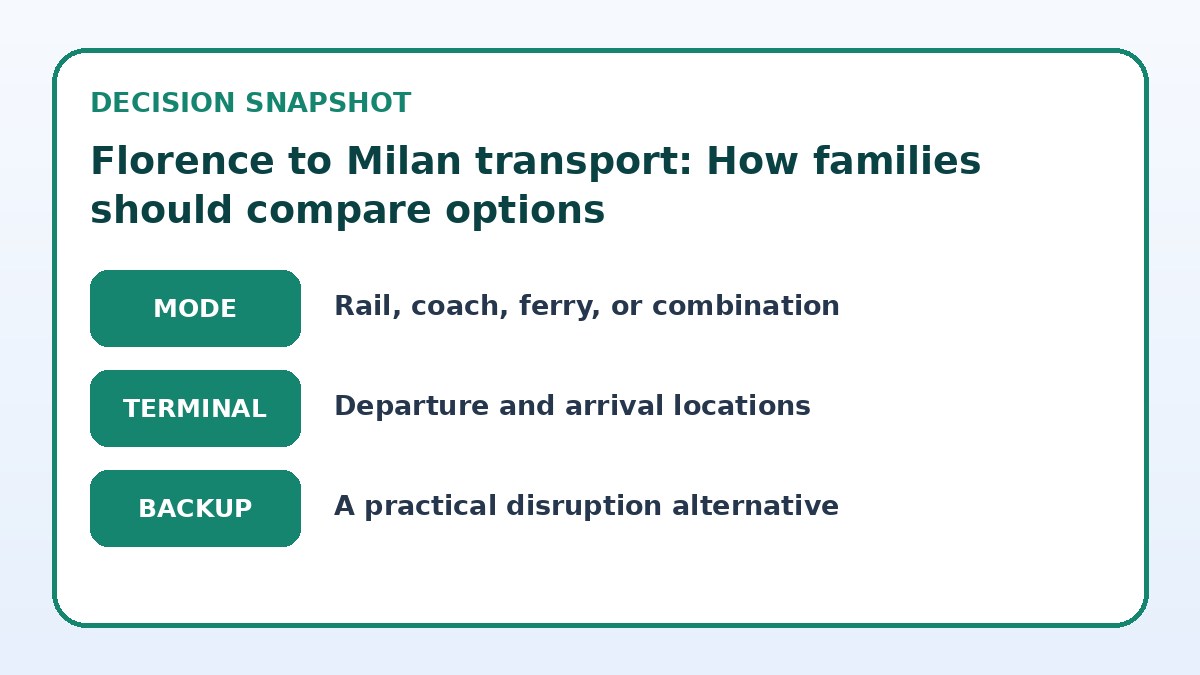
See current options before you compare the details
Availability and final conditions change. Open Trip.com now or keep reading for the practical comparison.
Train travel: the family-friendly default
Trains between Florence and Milan are commonly considered the most family-friendly choice because they connect central stations, reduce the need for extra transfers, and often have amenities like toilets, snack carts, and space for luggage. For families with small children, carriage space matters — look for trains with accessible doors, room for a stroller, and quiet carriages if you need nap time. When comparing options, check whether the timetable you’re viewing lists seat reservations, family compartments, or reduced-price child fares. Also verify luggage restrictions and whether a single booking covers all passengers so you can sit together without surprises at boarding.
Tradeoffs include platform changes and potential crowding at peak hours: even a fast train can become stressful if you must haul bags across long station corridors. If you need child seats or a pram, verify boarding assistance options at both departure and arrival stations. When you’re close to booking, confirm on the operator’s official page whether reservations are required, if seat selection is available for families, and what the refund or rebooking policies are—especially useful if your itinerary might change because of a child’s needs.
Coaches and buses: cheaper but slower
Long-distance coaches between major Italian cities often cost less than trains and can have flexible ticketing, but expect longer door-to-door time and fewer on-board conveniences. For families, the tradeoff is clear: lower fares versus a less comfortable ride. Buses usually have limited restroom facilities and narrower aisles, making diaper changes, strollers, and frequent child motion breaks harder to manage. If your children are calm on buses and you can schedule travel around naps, a coach can work. Confirm whether a coach operator permits bringing strollers onboard and if there’s a storage hold for larger luggage or car seats.
When comparing coach options, review total travel time including pick-up or drop-off locations that may be outside central stations; factor transfers to and from the stop. Because roadside rest stops can be unpredictable, ask whether the route includes scheduled breaks and how long they last. Before buying, check the ticket’s flexibility rules, and verify whether the operator allows name changes or exchanges without heavy fees—useful if family plans shift. Finally, read the provider’s child-age and fare policies on their booking page, rather than relying on aggregate listings alone.
| Approach | Best for | Tradeoff to check |
|---|---|---|
| Train (fast, central stations) | Families wanting minimal transfers and city-center arrivals | Can be busy; check seat reservations and stroller access |
| Coach (lower cost) | Budget-conscious families who accept longer travel time | Fewer amenities and potentially inconvenient stop locations |
| Driving (flexible stops) | Families with lots of gear or who want scenic detours | Tolls, parking hassles, and traffic around cities |
| Mixed routes (ferry + rail/car) | Families making a coastal detour or multi-stop holiday | More transfers and complex timing between operators |
Ready to check the option that fits your plan?
Use your exact dates and traveler details so the provider page can show the current total and conditions.
Driving or renting a car: flexibility with tradeoffs
Driving lets families carry more luggage, bring familiar gear, and stop on your schedule—at rest areas, playgrounds, or scenic towns between Florence and Milan. This option is ideal when you’re traveling with bulky equipment (car seats, strollers, lots of luggage) or when your final destination in Milan is outside the central station. However, driving adds variables: tolls, fuel, narrow historic streets, and parking availability in Milan that can be expensive or limited. Factor in driver fatigue; rotating drivers or stopping for breaks becomes more important when traveling with children.
When preparing to drive, verify insurance coverage, child seat requirements, and whether your rental includes GPS or toll transponders. If you’ll park in Milan, confirm parking options near your accommodation and whether your hotel offers a drop-off zone. Also check whether any low-emission zones or vehicle restrictions apply in central Milan and the routes you plan to take. Always compare total door-to-door time against train travel once you include parking, traffic, and the time to unload and settle small children.
Before you book
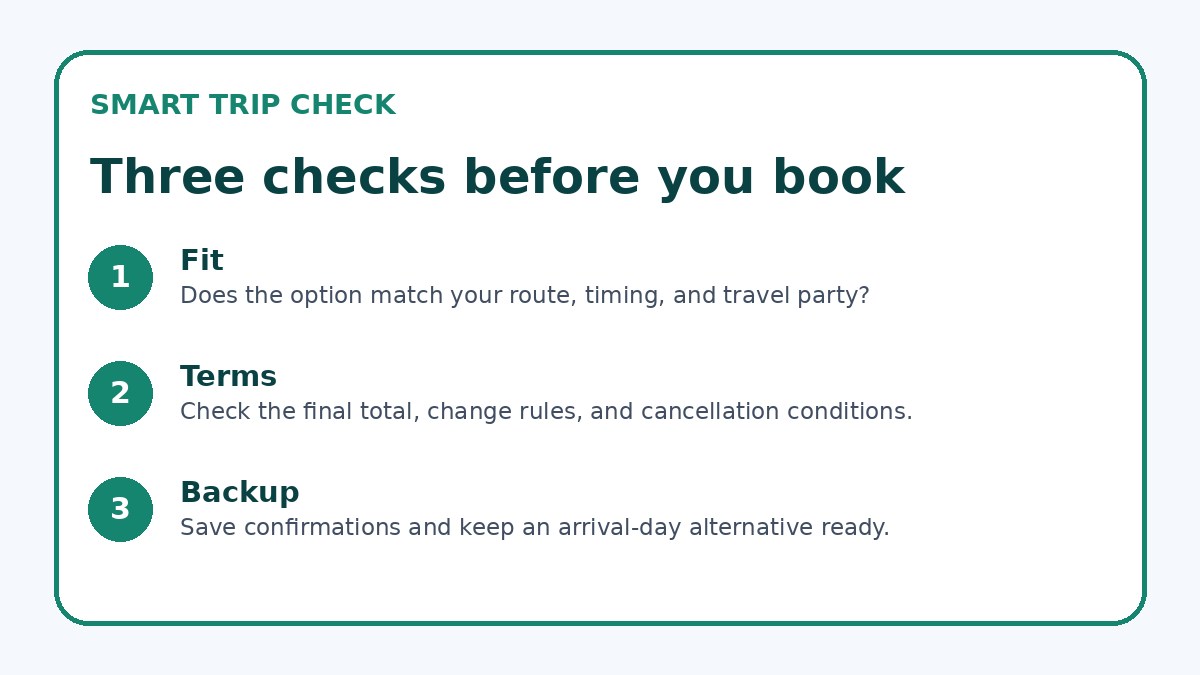
- Confirm seat reservation rules and whether family seating is guaranteed on the specific train before you buy tickets.
- Verify baggage allowances and stroller policies with the operator when comparing trains, coaches, or ferries.
- Check child fare ages, whether infants require a separate seat, and any documentation needed for reduced fares.
- Compare door-to-door travel time by adding transfer, parking, and station access time to published journey durations.
- If renting a car, confirm child-seat availability, insurance coverage, and whether the rental includes a toll transponder.
- Before final payment, read the provider’s rebooking and cancellation terms on their official site or booking page.
Ferries and mixed routes: niche options for families
A direct ferry is not a practical choice between Florence and Milan because Milan is inland; however, families building a broader Italian itinerary might choose a mixed sea-and-land route that includes ferry segments along the coast or to islands, then trains or cars inland. These combinations can be memorable—allowing kids time on deck and different kinds of travel experiences—but they require more transfers and careful timing. Consider how much transition time your children tolerate before selecting a mixed-route plan and whether extra luggage handling will be manageable.
If you opt for a mixed itinerary, plan each segment separately and confirm connections: ferry arrival ports may be a substantial drive or rail journey from where you continue. Verify check-in and boarding rules for ferries, baggage allowances, and whether pushchairs are allowed on vehicle decks or require folding. Because these are multi-operator trips, check each provider’s cancellation and rebooking rules and ensure you can realistically meet minimum connection times when combining ferries with trains or car rentals.
Frequently asked questions
Is taking the train from Florence to Milan easy with small children?
Yes—many families find trains the easiest because they reduce transfers and arrive in central stations, simplifying connections to hotels. Look specifically for trains with accessible boarding, space for a stroller, and onboard toilets. Reserve seats together when possible and check whether the operator offers family-friendly compartments or discounts for children. If you’ll be traveling during busy periods, allow extra time at the station for finding your platform and settling in to avoid stress with luggage and toddlers.
When does driving make more sense than public transport for families on this route?
Driving is sensible when you carry lots of gear, want to stop for flexible breaks, or your destination isn’t near Milan’s main station. It’s also useful if traveling with multiple small children needing frequent access to belongings. However, weigh these benefits against toll costs, parking availability, and the burden of urban driving. If you choose to rent, confirm child-seat fittings and insurance options, and plan routes to avoid low-emission zones or restricted streets in central Milan.
Can a coach or bus be comfortable enough for a family journey between Florence and Milan?
A coach can be comfortable for families whose children cope well with longer rides and limited movement. Choose direct services where possible, and review whether the route includes scheduled rest breaks. Check luggage and stroller storage rules and whether onboard toilets meet your needs. If you have infants or very young children, consider whether the longer travel time and fewer onboard facilities outweigh the fare savings compared with rail travel.
Final planning note
For most families traveling between Florence and Milan, trains strike the best balance of convenience, speed, and reduced hassle: they limit transfers, provide onboard facilities, and bring you into central locations. Coaches remain an option where budget is the primary constraint, but they lengthen travel and reduce comfort. Driving gives maximum flexibility for gear and stops, but plan for tolls and parking. Mixed ferry-and-land itineraries are viable only if you’re intentionally adding coastal stops. Before you book, confirm seating, luggage, child-fare rules, and cancellation policies on the official operator’s page, and use a comparison site like Trip.com to view options quickly—then verify the provider’s terms before final payment.
Continue planning
Check current options and final conditions
Use the provider page to confirm live availability, the final total, cancellation terms, and every condition that matters to your trip.
This evergreen planning guide was created with AI-assisted drafting and a structured quality review. It does not display live prices, schedules, availability, visa guidance, or provider rankings. Verify current details before booking. Some links are affiliate links; we may earn a commission at no additional cost to you.