
If you and your partner are planning Tokyo and want a clear booking window, aim to lock major bookings (international flights and one or two hotels) about three to five months before your intended travel dates for peak-season visits; for off-peak travel, two to eight weeks often suffices. That range balances common fare and room-release patterns with the need for flexibility when couples have work or life constraints. Use that initial booking to secure workable dates and a refundable or changeable option for one of your main reservations. After the first confirmed booking, monitor fares and room rates and be prepared to adjust ancillary details—like internal trains, special experiences, and restaurants—closer to travel when more concrete plans are necessary.
See current options before you compare the details
Availability and final conditions change. Open Trip.com now or keep reading for the practical comparison.
Deciding how far ahead to book as a couple
Start by aligning schedules: pick three or four potential windows that work for both partners, factoring work commitments, holidays, and personal events. Couples often find that having a short list of dates reduces pressure and makes it easier to compare fares and room availability. Once you have candidate dates, check broad seasonal patterns—peak windows around late March–April and late October–November attract more visitors and demand. If one partner has more rigid availability, center your search on those fixed dates and treat the other partner’s flexibility as the variable to protect with flexible booking options.
Next, decide which bookings matter most to your trip. International flights and at least one hotel near the neighborhoods you want to explore are the backbone of most Tokyo itineraries; reserve those first within the realistic window you chose. Ancillary items—day tours, themed restaurants, or show tickets—can be scheduled later when you know arrival and departure times. When you book, note cancellation and change rules clearly: pick refundable or changeable fares if your schedule is uncertain, and verify the exact conditions on the provider’s final booking page before confirming.
Tradeoffs between booking early and waiting
Booking early often improves availability for preferred flight times and specific hotels, which matters for couples who prioritize neighborhood, room layout, or a late arrival. The tradeoff is that early reservations can lock you into prices or refundable policies that aren’t the lowest-cost options later on. If both partners’ dates are fixed months out, early booking reduces stress and helps you plan other details together. However, committing too far in advance can create friction if one partner’s schedule changes, so weigh the emotional value of certainty against the potential need to rebook.
Waiting can yield better last-minute hotel deals and the chance to react to genuine fare drops, but it increases the risk of limited choices for well-located rooms or direct flight times—especially during busy seasons. For couples who prefer spontaneity and have flexible calendars, delaying may align with their style. To reduce risk while waiting, set alerts and identify a firm cutoff date when you will stop waiting and make reservations. Combine a ‘wait-and-watch’ approach for lower-priority items with an earlier decision on core bookings to balance both strategies.
| Approach | Best for | Tradeoff to check |
|---|---|---|
| Book early (3–6 months) | Couples with fixed schedules or who want specific neighborhoods or direct flight times | Less chance to shop prices later and possible change fees if plans shift |
| Moderate window (6–8 weeks) | Couples balancing availability and the ability to react to fare trends | Some desirable rooms or peak-time flights may already be limited |
| Short notice (2–4 weeks) | Flexible couples who prioritize spontaneous travel or off-peak savings | Higher risk of limited choices and stress coordinating schedules |
| Staggered bookings (lock one, wait on others) | Couples who want certainty for core items while keeping other plans flexible | Requires monitoring and possibly paying change fees later |
Ready to check the option that fits your plan?
Use your exact dates and traveler details so the provider page can show the current total and conditions.
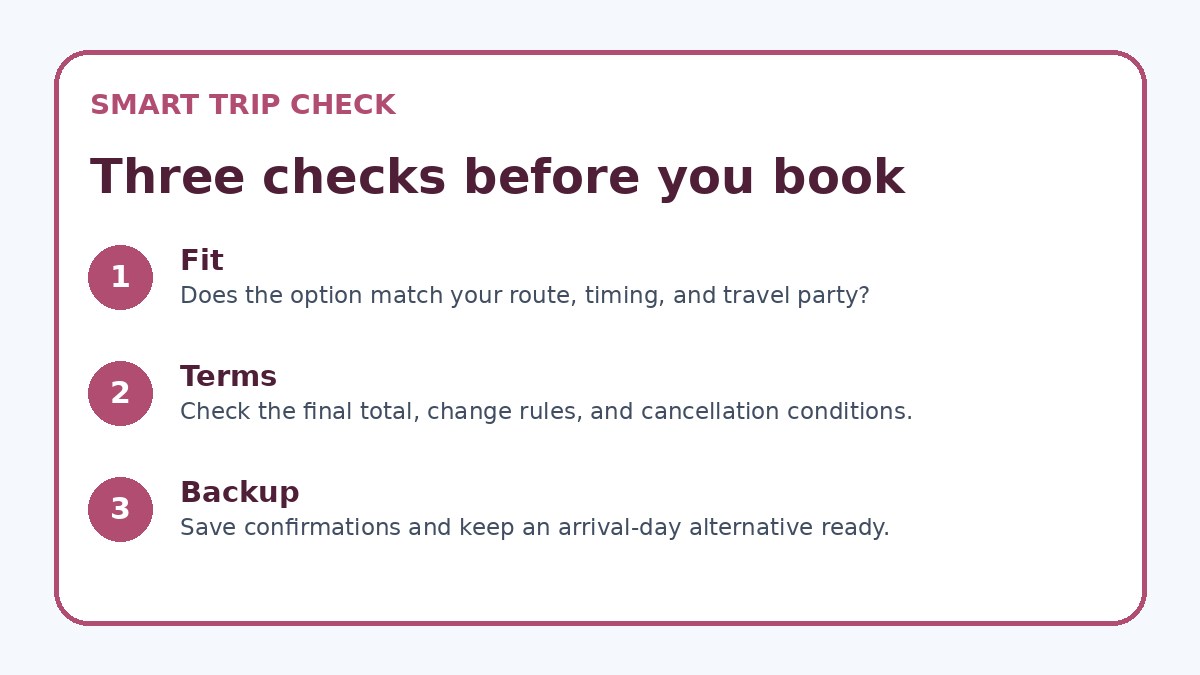
Couples’ specific considerations for Tokyo travel
Tokyo’s neighborhoods vary widely in convenience and atmosphere, and couples should pick hotels that support how they want to spend time—late-night izakaya hopping, museum days, or strolling parks. If you prefer a romantic evening in a quieter district or easy weekend morning runs, prioritize hotels in those areas when booking. Consider how much time you’ll spend together versus exploring solo: reserving a larger room or a twin setup might be worth booking earlier, while couples comfortable with compact accommodations can wait longer to hunt for deals.
Also account for activities that require precise timing—tea ceremonies, sumo practice visits, or Michelin reservations can need earlier bookings or specific arrival times. Couples planning to coordinate these special experiences should confirm dates and booking windows in tandem with travel arrangements. Where provider-specific facts could change, verify event availability, exact meeting points, and cancellation rules on the supplier’s final booking page before you pay. If you’re comparing Tokyo travel deals through a third party like Trip.com, use it to check availability but confirm critical terms directly with the provider.
Before you book
- Agree on two to four possible travel windows that fit both partners’ schedules before searching deals.
- Decide which core bookings (flight, main hotel) to lock first and choose at least one refundable option.
- Set a firm cutoff date for when all major reservations must be completed, then share that date with your partner.
- Create price alerts for flights and preferred hotels and review them together twice weekly.
- Verify cancellation and change policies on the provider’s final booking page before confirming any nonrefundable purchase.
- Save confirmation numbers, refund windows, and contact details in a shared note or travel app for quick access.
Practical tactics to balance price, flexibility, and romance
Split decisions: one partner takes lead on flights while the other scouts hotels and experiences—this divides research and reduces potential conflict. Use refundable or changeable fares for at least one major booking to protect the trip plan. When you do book nonrefundable items, choose a single date to lock everything in: that minimizes repeated change fees and keeps your itinerary coherent. Make a shared checklist with deadlines for when each item should be booked so both partners feel involved and aware of the timeline.
Set alerts and check prices at consistent times—weekly or twice a week—so you both learn typical fare ranges and can recognize meaningful changes. When a lower fare appears for flights or a better room option opens up, evaluate the cost to change versus the benefit together. Keep communication practical: agree in advance on a maximum change cost you’re both comfortable paying. Finally, document important refund windows and confirmation numbers in a shared note so you can act quickly if plans shift.
Frequently asked questions
How far in advance should couples book Tokyo flights to balance price and flexibility?
For most couples the practical balance is three to five months ahead for travel during high-demand windows and two to eight weeks for off-peak months. Booking earlier secures preferred times and seat choices, which matters if one partner must return on a strict date. If either partner’s schedule could change, choose at least one refundable or changeable fare and verify the provider’s change fees on the final booking page before paying. Use fare alerts so you can assess whether a price drop justifies the cost of changing an existing reservation.
Should couples book hotels and experiences at the same time as flights?
Lock at least one hotel when you confirm flights to ensure you have a base in the neighborhood that fits your plans, but hold off on nonessential experiences until your arrival and departure times are firm. Reserve time-sensitive or high-demand experiences—like themed restaurants or specialty tours—earlier if they’re central to your trip. Always confirm exact cancellation or change terms on each provider’s final booking page. If budget and flexibility are priorities, stagger bookings: commit to core items first and add optional experiences as your dates firm up.
What’s the best way for partners to avoid decision stress when booking Tokyo travel deals?
Agree on priorities before shopping—decide whether neighborhood, price, or specific flight times matter most—and assign research roles so each partner manages a piece of the plan. Establish a maximum change-cost threshold you’re both comfortable with to limit second-guessing. Use a shared document to compare options side by side and set simple deadlines for decisions to avoid endless dithering. Finally, keep at least one refundable reservation or a flexible cancellation buffer so unforeseen work or life events don’t force immediate cancellations.
Final planning note
Couples planning Tokyo travel deals will find the best mix of confidence and flexibility by aligning schedules first, deciding which bookings to prioritize, and choosing a booking window that reflects seasonal demand and personal constraints. For many, securing flights and a primary hotel three to five months ahead for busy seasons, or two to eight weeks for quieter travel, offers the right balance. Rely on refundable options or one flexible reservation to absorb any last-minute shifts, use alerts to track meaningful price changes, and keep communication clear so both partners feel engaged. Verify cancellation rules and final terms on provider pages before you pay, and you’ll arrive in Tokyo with plans that suit both your hearts and schedules.
Continue planning
Check current options and final conditions
Use the provider page to confirm live availability, the final total, cancellation terms, and every condition that matters to your trip.
This evergreen planning guide was created with AI-assisted drafting and a structured quality review. It does not display live prices, schedules, availability, visa guidance, or provider rankings. Verify current details before booking. Some links are affiliate links; we may earn a commission at no additional cost to you.