
If you’re flying solo from Busan to Jeju, the single most useful decision is how much baggage to take and how early to arrive at the airport. For most solo travelers a carry-on only approach cuts time spent checking luggage and waiting at baggage reclaim, but it shifts constraints to weight limits and what you can carry through security. Conversely, checked baggage relaxes packing choices but adds steps at drop-off and retrieval that increase minimum airport time. This article gives a clear recommendation up front, then breaks down the tradeoffs—packing style, airline baggage rules to confirm, timing buffers for security and boarding, and small logistical tactics that save time at the terminal. Before you complete any booking or buy baggage allowance, check the airline’s final booking page for exact baggage size, weight limits, additional charges, boarding procedures, and current airport guidance.
Choosing carry-on or checked baggage
Packing only a carry-on is often the simplest choice for a solo traveler on a short domestic route. It removes the need to drop a bag at check-in and wait at baggage claim on arrival, so you can move faster off the aircraft and into ground transport. There are tradeoffs: carry-on limits mean fewer clothing changes and careful organization. You’ll need to prioritize essentials, compress or layer clothing, and think about liquids and any special items to keep in your personal item.
Checked baggage buys convenience when you need extras or are traveling with items that won’t fit in a cabin-size bag. That convenience comes with time costs: you’ll need to allocate additional minutes for the check-in counter or a bag drop, and on arrival you must wait at the carousel. If you plan to check a bag, pre-pay or add allowance during booking when possible, and confirm the airline’s permitted sizes and weight—these rules change by carrier and fare class so verify them on the airline’s final booking page before you travel.
How early to arrive at the airport
For a short domestic flight like Busan to Jeju, arrival windows depend on baggage choice and airport familiarity. If you’re carry-on only, arrive with enough time to pass security, find your gate, and handle any unexpected delays—generally a buffer around 60–75 minutes before departure works for many solo travelers. If you’re unfamiliar with the terminal layout, traveling during busy periods, or anticipate using a check-in desk, add extra time. Boarding often begins 20–40 minutes before departure, so plan to be at the gate before then.
When you plan to check baggage, add at least 25–40 minutes for the check-in counter or bag drop, and more when peak travel periods or extra security screening are likely. If your flight itinerary includes a connecting leg, increase your buffer substantially to protect against missed connections. Account for access time to the airport—traffic, public transport schedules, or ride pick-up windows can add unpredictable minutes. Ultimately, set a personal minimum arrival time based on your comfort with rushing and the specific rules shown at booking.
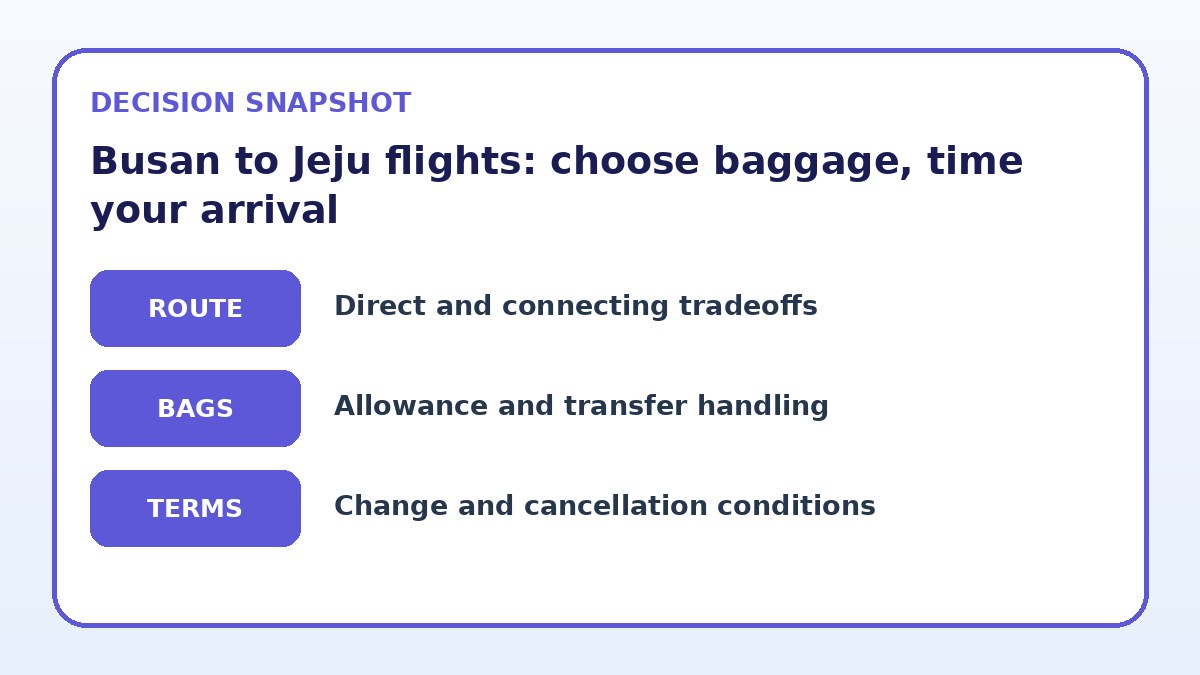
| Approach | Best for | Tradeoff to check |
|---|---|---|
| Carry-on only | Solo travelers prioritizing speed and minimal terminal time | Limited packing space and stricter weight/size rules |
| Checked baggage | Those needing extra items, bulkier gear, or longer trips | Longer pre-departure and post-arrival processing time |
| Direct flight | Travelers wanting the simplest, lowest-transfer risk itinerary | Possibly fewer schedule options or different fare structures |
| Connecting flight | If schedule or cost advantages outweigh extra transfer time | Requires larger time buffers and careful transfer checks |
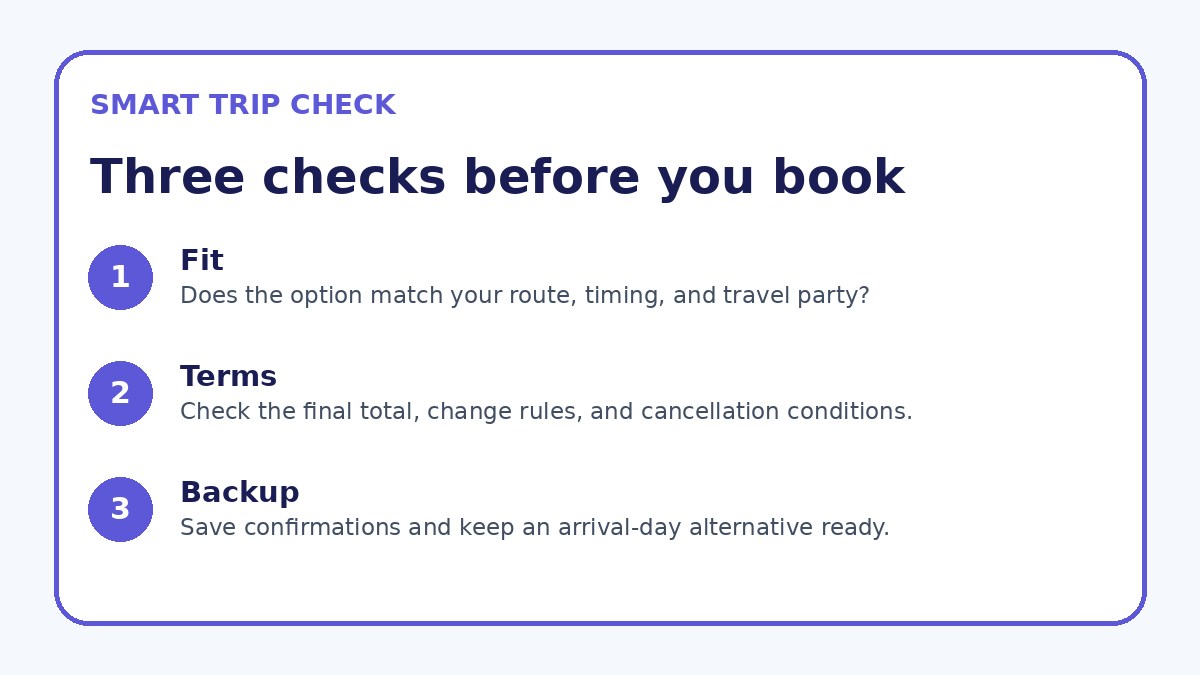
Small-time savers and on-airport tactics
A few targeted tactics cut wasted minutes. Check in online and download or screenshot your boarding pass so you can skip kiosks if possible. Pack your ID and any necessary travel documents in an easy-to-reach pocket, and have your liquids and electronics accessible for security checks. If your airline supports dedicated bag-drop lanes for pre-checked passengers, arrive with printed tags or mobile receipts ready. These small steps reduce friction and can convert a tight 90-minute window into a comfortable, stress-free preboarding routine.
Choose your carry-on strategically: soft-sided, slightly flexible bags slide into overhead bins more easily than rigid suitcases and can be compressed into overhead space. Use packing cubes to keep things organized and speed up security checks if your bag needs inspection. For solo travelers carrying photography gear or sports items, keep fragile or high-value items in a personal item stowed under the seat when possible, and verify any special handling requirements on the airline’s booking confirmation to avoid surprises at the gate.
Before you book
- Check the airline’s final booking page for exact cabin and checked baggage size and weight limits before you pack or pay for extras.
- Decide whether to travel carry-on only; if so, test your packed bag for fit and weight before leaving home.
- If checking luggage, add 25–40 minutes to your airport arrival time for bag drop and allow extra time for peak periods.
- Complete online check-in and save a screenshot of your boarding pass to avoid kiosk lines if your airline accepts mobile boarding.
- Prepare a ‘security-ready’ pouch with ID, boarding pass, liquids, and electronics to move quickly through screening.
- Plan ground transport with buffer time for traffic or schedule changes and aim to arrive at the terminal with your chosen personal buffer.
Comparing direct versus connecting options
For the Busan to Jeju route, direct flights are typically the simplest option: fewer touchpoints, less chance of missed connections, and no transfer logistics. If a direct flight fits your schedule, compare total airport time and door-to-door duration rather than just flight time, because connections often add transfer wait times and must include extra buffer. When weighing options, count the time required to change terminals or pass through additional security layers during any layover.
If a connecting itinerary offers a significantly better schedule or fare, evaluate the minimum connection time and your tolerance for transfer stress. Solo travelers should prefer longer layovers that allow a safety margin for delays, baggage re-checks, and navigating unfamiliar terminals. Always confirm connection details and baggage transfer rules with the carrier at booking; some connections require you to collect and re-check baggage, while others transfer luggage automatically. Verify these points on the airline’s final booking page before committing.
Frequently asked questions
How much time should a solo traveler allow at Busan airport for a flight to Jeju?
The time you should allow depends on baggage choice and your tolerance for risk. Carry-on-only travelers often feel comfortable arriving about 60–75 minutes before departure, while travelers checking luggage should add roughly 25–40 more minutes for bag drop and possible lines. If you’re unfamiliar with the terminal, traveling during a peak period, or require special assistance, add extra buffer time. Always verify recommended arrival times on the airline or airport’s official pages before you travel.
Can I rely on moving quickly through security if I’m solo and carry-on only?
Carrying only cabin luggage usually speeds up your process because you avoid the check-in queue, but security lanes can still be unpredictable. Preparing your documents, removing required items beforehand, and using a security-ready pouch helps. Some airports have priority or fast lanes for certain ticket types, but availability depends on the carrier and airport operations. Check the airport’s security advisory and the airline’s boarding procedures on their booking confirmation for up-to-date guidance.
What should I verify on the airline’s booking page before choosing checked baggage or a connection?
Before you book, confirm the carrier’s baggage dimensions, weight limits, allowed number of checked bags, and any fees for excess or overweight items. For connecting itineraries, check whether checked bags transfer automatically or must be rechecked at the layover airport, and verify minimum connection times recommended by the airline. Also review boarding time windows, gate change policies, and any requirements for special items. These specifics vary by airline and fare class and are best confirmed on the final booking page.
Final planning note
Solo travel between Busan and Jeju becomes far less stressful when you choose your baggage approach first and then set an arrival timeline that matches that choice. Carry-on only is the fastest route through the airport, but it requires stricter packing discipline and attention to cabin limits. Checked baggage eases what you carry but increases minimum airport time and steps at both ends of the journey. Compare direct and connecting options based on total door-to-door time, and always verify baggage rules, boarding procedures, and connection handling on the airline’s booking page before you finalize plans. A little preparation at the booking stage saves hassle on the day of travel.
Continue planning
Check current options and final conditions
Use the provider page to confirm live availability, the final total, cancellation terms, and every condition that matters to your trip.
This evergreen planning guide was created with AI-assisted drafting and a structured quality review. It does not display live prices, schedules, availability, visa guidance, or provider rankings. Verify current details before booking. Some links are affiliate links; we may earn a commission at no additional cost to you.