If your family wants Hong Kong with milder weather, smaller queues, and more flexible room options, aim for the city’s shoulder seasons rather than the busiest holiday spikes. Shoulder seasons sit between peak and low travel months; they offer a practical balance of transport and hotel availability, reasonably pleasant weather, and more daytime options for kids without the full crowds. For families this often means earlier spring or late autumn windows, but the right dates depend on your priorities: school schedules, special events, and tolerance for occasional rain or humidity. In this guide you’ll get a clear booking-stage checklist, compare seasonal tradeoffs, and learn exactly what to verify on airline and hotel pages so your Hong Kong family trip avoids surprises.
Deciding which shoulder window fits your family
Start by lining up everyone’s nonnegotiable dates—school breaks, work constraints, and any unavoidable events—then map those against typical crowd patterns and weather trends. For families, a shoulder window that keeps outdoor activities pleasant during daylight yet avoids major local holidays will maximize time at parks, promenades, and kid-oriented attractions. If your children have early bedtimes, shorter travel days and a hotel near transit or main attractions matter more than a small price difference.
Next, rank what you can compromise on: occasional rain, longer airport waits for cheaper flights, or a smaller room for a central location. Use that ranking when you compare options. For example, if crowd avoidance is top priority, choose dates that avoid known festival weeks and school holidays—even if that means paying a little more for a direct flight or larger family room. This helps create a realistic list of acceptable booking tradeoffs before you search deals.
How to compare travel options for family comfort
When comparing flights, weigh total door-to-door time and likely day-of-travel disruptions against ticket price. Families often prefer fewer connections and departure times that match children’s sleep patterns; a slightly higher fare can be worth the saved stress. If multiple airlines offer similar schedules, compare baggage allowances and seating rules—verify these specific terms on the airline’s final booking page because carrier policies change and impact what you actually pay at check-in.
For ground logistics, balance proximity versus space. A centrally located apartment-style hotel can reduce daily transit time and provide kitchen facilities, but it may cost more than a transit-adjacent family room. Read cancellation and upgrade rules on the hotel’s confirmation page, and check if the property offers family perks such as rollaway beds, children’s menus, or activity programs. These extras change how valuable a room is for your household.
| Approach | Best for | Tradeoff to check |
|---|---|---|
| Book earliest shoulder dates available | Families with rigid school schedules seeking availability | May pay slightly more for preferred rooms or direct flights |
| Aim for mid-shoulder dates midweek | Families prioritizing lower crowds and lower daily transit time | Fewer discounted fares and limited timed-entry slots on some attractions |
| Keep flexible dates and monitor deals | Families able to adjust departure by a few days for savings | Requires time and attention; ideal offers can appear briefly |
| Lock accommodation, delay flights | Families needing a guaranteed home base while seeking better fares | Flight availability or prices may change; check airlines’ final terms |
What to verify before you book any Hong Kong deal
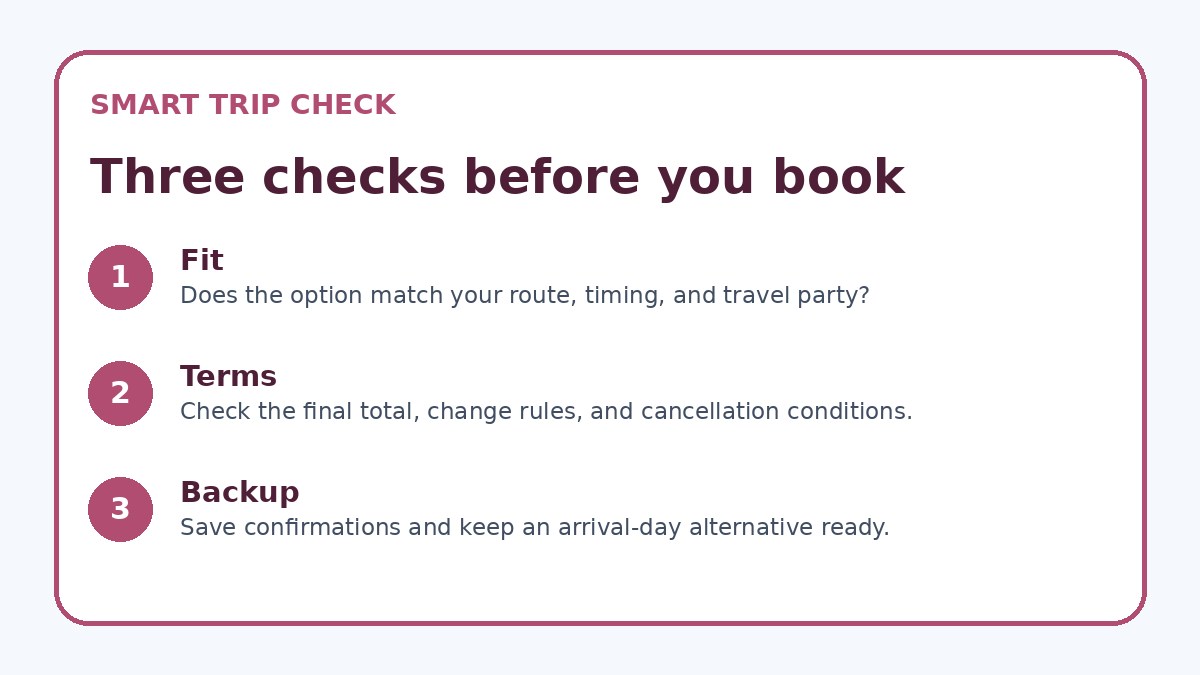
On the airline booking page confirm total travel time, layover duration, seat selection options, and whether meals or stroller check are included. Do not assume these are included with every fare class—double-check baggage limits and change or cancellation fees so you can compare the final out-of-pocket cost for families who might need date flexibility. If the itinerary includes connections, confirm minimum connection times and whether transfers require leaving the secure area.
For accommodations, verify bed configuration, room size, and whether the hotel charges extra for children or cribs. Confirm the exact cancellation and prepayment policy shown on the booking page, and check whether the property enforces age limits for free stays. Finally, look for any seasonal closures or limited-service notices affecting pools, restaurants, or kids’ clubs and confirm opening times directly with the property if those facilities matter to your family’s daily routine.
Before you book
- Match everyone’s nonnegotiable dates and mark at least two shoulder windows that work for the whole family.
- Compare total travel time and baggage rules for each flight option and confirm these rules on the airline’s final booking page.
- Read the hotel’s room configuration, child policy, and cancellation terms as shown on the property’s booking confirmation.
- Reserve any timed-entry attractions or theme-park slots after securing flights and lodging to avoid schedule conflicts.
- Plan one indoor and one outdoor backup activity for each day and save contact details for quick reservation changes.
- Set price alerts or check a comparison site like Trip.com for current availability, then verify all provider terms before payment.
Using shoulder-season deals to build a relaxed family itinerary
Plan fewer activities per day than you would during peak travel: shoulder seasons make it easier to swap in a museum or playground if weather shifts, but younger children still benefit from a gentler pace. Identify a mix of indoor and outdoor options that are near each other to minimize transit. Reserve high-demand experiences—theme-park timed entries, popular harbor or tram trips—after you confirm accommodation and transport, since some attractions have limited capacity even outside peak times.
Keep a simple contingency plan for weather or closures: choose one indoor fallback for every outdoor-scheduled morning. For evenings, pick restaurants or casual dining options close to your base so a late finish doesn’t derail bedtime. Finally, leave one free day mid-trip for rest or unexpected discoveries—the shoulder season’s quieter streets make spontaneous family excursions more enjoyable and less hurried.
Frequently asked questions
Are shoulder seasons visibly quieter at Hong Kong attractions for families?
Yes, shoulder seasons tend to have fewer international visitors than peak holiday periods, which often results in shorter lines and easier access to family attractions. However, local events can still attract crowds on specific dates, so check event calendars and attraction reservation requirements before booking. For the most predictable experience, choose weekday visits and reserve timed-entry activities. Always confirm attraction opening hours and capacity rules on the provider’s site, since those details change and affect crowd levels.
How should we balance weather risks against lower crowds during shoulder seasons?
Think in terms of priorities: if outdoor playgrounds and harbor views are essential, pick shoulder windows known for milder, drier weather and plan indoor alternatives. If avoiding crowds is the dominant concern, accept a slightly higher chance of intermittent rain or humidity and pack layered clothing and rain gear. Review long-term climate patterns for your target months and build a flexible daily plan with nearby indoor options—museums, malls, or family-friendly performances—so weather doesn’t force cancellations.
What’s the best way to find family-friendly Hong Kong travel deals without risking inflexibility?
Search for fares and rooms with reasonably flexible cancellation or change policies and compare the total refundable cost versus a nonrefundable bargain. Use comparison tools to surface options, then open the airline or hotel’s final booking page and read the exact refund, change, and baggage terms before paying. Consider refundable or semi-flexible bookings for at least one key item—often the flight—so you can adjust dates if school or health needs change. Trip.com can be used as a place to compare availability, but always verify provider terms on the originating booking page.
Final planning note
Shoulder seasons offer families a practical middle ground when planning Hong Kong trips: fewer crowds and more comfortable daily rhythms without the full service reductions of low season. The right window depends on your family’s tolerance for weather risk, travel time, and schedule flexibility. Prioritize verifying airline baggage and change rules, hotel room details and cancellation policies, and attraction booking requirements on each provider’s booking page before you commit. Use the checklist to narrow options quickly, and keep one day unplanned so your family can enjoy the relaxed pace that shoulder-season Hong Kong most easily provides.
Continue planning
Check current options and final conditions
Use the provider page to confirm live availability, the final total, cancellation terms, and every condition that matters to your trip.
This evergreen planning guide was created with AI-assisted drafting and a structured quality review. It does not display live prices, schedules, availability, visa guidance, or provider rankings. Verify current details before booking. Some links are affiliate links; we may earn a commission at no additional cost to you.