
If you and your partner want warmer water and quieter beaches without sacrificing the essentials of a Hawaiian vacation, plan Honolulu travel around the shoulder seasons. For couples the most useful short answer: consider the periods just before peak summer (late spring) and just after it (early fall) — these windows typically reduce crowd pressure while still offering good weather for beach time, snorkeling, and sunset dinners. The tradeoff is slightly greater variability in occasional brief showers and a narrower selection of special events.
Start by choosing the dates that match your tolerance for rain and crowd levels, then compare airfare and hotel rates over a 30–90 day search window. When you find a promising package or rate, verify cancellation policies, any resort or parking fees, and what’s included for couples (breakfast, room upgrades, or activities) on the provider’s booking page before you commit.
Why shoulder seasons matter for couples
Planning around shoulder seasons is about tradeoffs that suit couples. You’ll often find quieter beaches and easier dinner reservations, which makes time together feel more relaxed. Less crowded popular spots—like Waikiki’s shoreline or mid-island snorkeling launch points—mean you can linger without feeling hurried by crowds.
But quieter does not mean empty. Expect local events or school holidays to occasionally spike demand. Use shoulder-season timing to prioritize what matters: private time and leisurely meals, or guaranteed sun and a long list of outdoor activities. Decide which matters more, then scan airfare and lodging trends in a flexible window to align availability with your priorities.
Choosing dates: weather, crowds, and events
For couples who prefer fewer people, aim for periods just before or after the busiest months. These windows often reduce lines and make it easier to secure beachfront tables or sunset sails. When booking, check local calendars for festivals or public holidays that could reverse the usual patterns and increase demand suddenly.
Weather in Honolulu is generally mild year-round, so the decision becomes more about crowd tolerance and activity priorities. If top-quality snorkeling is essential, favor months with calmer seas. If you want more nightlife and events, target weeks when cultural festivals run. Always verify forecasts and specific activity availability close to departure rather than relying on long-range assumptions.
| Approach | Best for | Tradeoff to check |
|---|---|---|
| Book early in the shoulder window | Couples who want specific room types or upgrade possibilities | Locks in choices early but reduces flexibility if dates need to shift |
| Wait for last-minute deals | Flexible couples comfortable with uncertain schedules | Can score lower rates but risks limited room types and sold-out activities |
| Choose nonstop flights even if pricier | Couples prioritizing shorter travel time and less transit stress | Often higher fares compared with one-stop options that may save money |
| Book a package vs. separate components | Couples wanting a one-stop booking experience and simpler logistics | Packages can hide line-item costs—verify inclusions and cancellation terms |
Where to stay: neighborhoods and couple-friendly vibes
Pick your neighborhood based on the mood you want: Waikiki for energetic beachfront life and easy access to services; Kakaʻako for neighborhood restaurants and art; or quieter east and west of the city for more seclusion. For couples, proximity to a good sunset spot and walkable dining options can matter more than being directly on the busiest beach.
When comparing hotels, prioritize room type and included amenities rather than name recognition alone. Look for rooms with private balconies, in-room coffee facilities, and easy access to spa or pool hours that match your schedule. On the final booking page, confirm what is actually included—breakfast, resort fees, and any room service or parking charges—as these affect the true value for your stay.
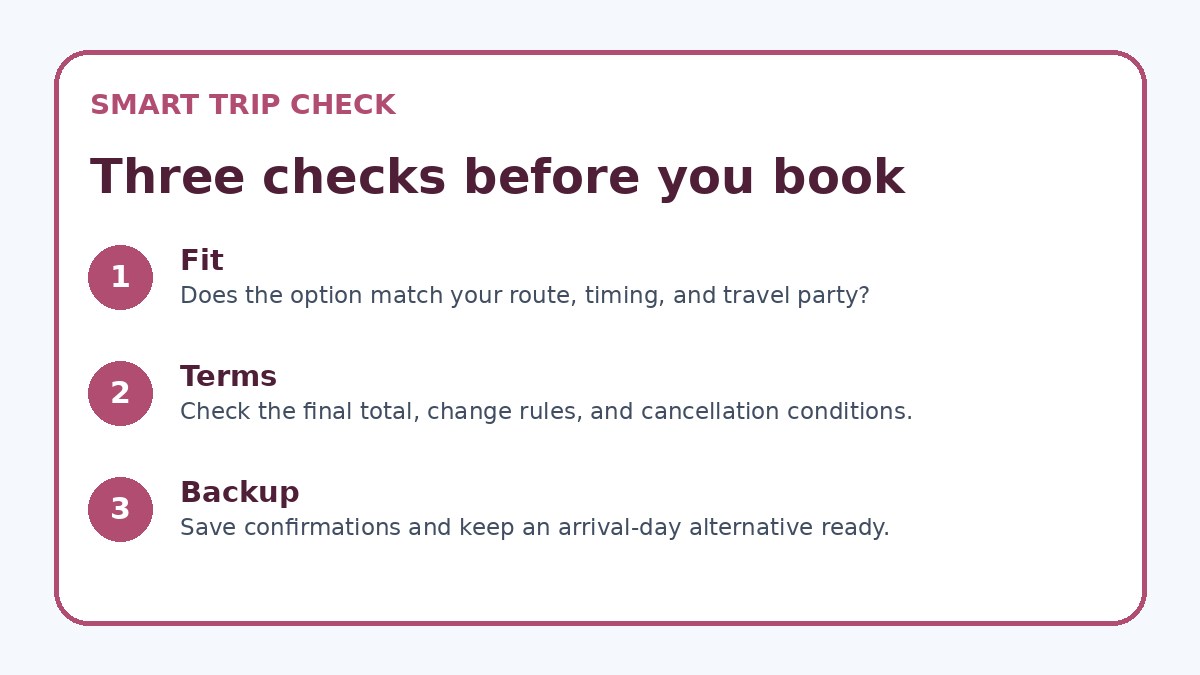
Before you book
- Search airfare and hotel rates across a 30–90 day flexible window to spot shoulder-season patterns.
- Check local event calendars for Honolulu to avoid unexpected spikes in demand on your intended dates.
- Confirm what is and isn’t included on the hotel booking page: resort fees, breakfast, parking, and Wi‑Fi.
- Compare nonstop and connecting flights for total travel time, layover hassle, and final price with baggage.
- Book refundable or flexible-rate options if your travel dates might change; read the cancellation policy carefully.
- Reserve key activities (sunset cruise, snorkeling, popular restaurants) early if they’re a priority for your trip.
How to compare flight and package options
Start by mapping your non-negotiables: ideal departure times, flight duration tolerance, and whether you prefer nonstop travel. For many couples, a slightly longer flight with better arrival times or lower overnight disruption is worth it. Compare direct and connecting options side-by-side for total door-to-door time, and include typical airport transfer logistics when weighing choices.
If you’re evaluating bundled packages (air + hotel), separate the components to see where the savings really are. Confirm baggage allowances, seat selection, and change or cancellation policies on the airline page before booking. Trip.com can be a useful place to compare current availability and conditions, but always verify final itinerary and fees with the airline and hotel booking pages to avoid surprises.
Frequently asked questions
Are shoulder-season Honolulu travel deals actually cheaper for couples?
Shoulder seasons often reduce crowding and increase hotel availability, which can translate to better room choices and softer rate pressure. However, savings are not guaranteed; rates vary with demand, events, and airline competition. For couples, the value often comes from better room locations, easier dining reservations, and a calmer pace rather than a fixed lower price. Always compare multiple dates and confirm the hotel’s final rate details, fees, and cancellation rules on the provider’s booking page before you commit.
What should couples prioritize when picking Honolulu neighborhoods in shoulder seasons?
Prioritize the experience you want: direct beach access and evening energy (Waikiki), quieter local dining and art scenes (Kakaʻako), or more secluded coastal stretches for privacy. Think about walkability to restaurants and sunset spots, plus how much time you’ll spend on the beach versus exploring. Evaluate nearby services—grocery, transfers, and spa options—that matter to couples. On any booking page, confirm bed configuration and balcony or view options to ensure your room supports the atmosphere you’re planning.
How far in advance should couples book flights and activities for shoulder-season travel?
If your dates are flexible, monitoring fares for several weeks can reveal patterns; for destination activities you plan to prioritize—sunset cruises, guided snorkel trips, or popular dinners—reserve as soon as you lock dates, since these can fill even in shoulder periods. For flights, booking once you find a fare that matches your schedule and risk tolerance is sensible, but keep an eye on change policies and consider fare-hold or refundable options if available. Verify all activity availability and cancellation terms on the provider’s final booking page before paying.
Final planning note
For couples, planning Honolulu travel deals around shoulder seasons is a way to trade the certainty of peak-season sunshine for a calmer rhythm, easier reservations, and often better room choices. Decide which elements—sun reliability, privacy, or price—matter most, then structure your search across a flexible date window and verify inclusions and cancellation policies on final booking pages. Compare nonstop and one-stop flight options for total travel time, and book key shared experiences early. With clear priorities and careful checks, shoulder seasons can give couples a more relaxed, intimate Hawaiian trip without sacrificing the essentials.
Continue planning
Check current options and final conditions
Use the provider page to confirm live availability, the final total, cancellation terms, and every condition that matters to your trip.
This evergreen planning guide was created with AI-assisted drafting and a structured quality review. It does not display live prices, schedules, availability, visa guidance, or provider rankings. Verify current details before booking. Some links are affiliate links; we may earn a commission at no additional cost to you.