If you’re traveling from Dubai to Abu Dhabi with extra luggage, the most practical choice is the option that minimizes handling and extra transfers: a private or shared door-to-door transfer (booked to pick you up and drop you at your address) or a hired car where you control loading and timing. Both reduce the number of times you lift or move heavy bags and avoid the terminal-to-terminal friction of public coach stops or any multi-leg rail/coastal services. The tradeoff is cost versus flexibility: private transfers cost more but save time and stress; scheduled coaches are cheaper but often require longer walks and handling between stops. This article helps you decide by comparing terminal fit, luggage transfer friction, timing flexibility, and what to do if plans change. Read on to weigh real-world door-to-door practicality rather than only the in-vehicle ride.

Terminal fit: where each option drops you off and how it affects luggage
Consider the door-to-door endpoint before you choose a mode. A private or shared transfer usually picks you up from your accommodation and delivers you to the exact address at the other end, which is ideal if you are carrying heavy or numerous bags. Coach services tend to use central bus stations or designated roadside stops; that means you may have to move luggage across platforms, curbs, or short walks from the stop to your final accommodation. If your hotel or rental is a short walk from a coach stop, the saving could be fine — but quantify the distance and stairs in advance.
If combining modes, think about how terminals connect. For example, transferring from a coach to a local taxi might be straightforward in clear weather, but if the coach stop is busy or remote you could face long waits and more lifting. When selecting an operator, check the exact drop-off point and whether kerbside assistance or luggage handling is offered. Verify these details on the provider’s booking page because stop locations and pickup points can change and are the main determinant of how much effort you’ll spend moving bags.
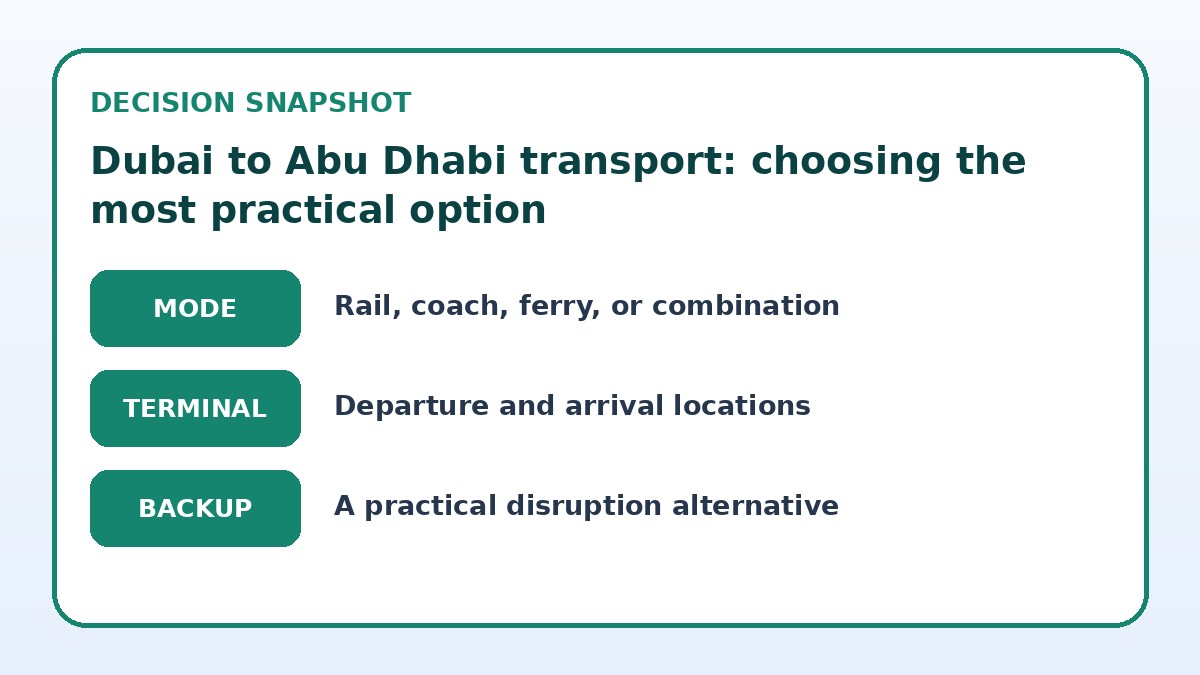
Choose the end-to-end journey plan
| Journey approach | Best for | Friction to check |
|---|---|---|
| Private door-to-door transfer or hire car | Travelers prioritizing minimal handling, exact pickup/drop-off, and control over timing. | Higher cost and less price predictability but far fewer luggage movements and simpler door-to-door logistics. |
| Shared transfer with scheduled pickups | Groups or mid-budget travelers who want lower cost than private hire with reduced handling. | Some extra stops and a pickup window increase journey time and handling compared with private door-to-door. |
| Direct scheduled coach service | Budget-conscious travelers whose accommodation is near bus terminals and who can handle luggage transfers. | Multiple handling steps and fixed timetables reduce flexibility and may increase physical effort with heavy bags. |
| Self-drive rental or taxi metered ride | Travelers needing total control over route, nonstop travel, or transporting awkward, oversized items. | Driver responsibility and parking/drop-off logistics add complexity; may be costlier and require planning for vehicle return. |
Check live intercity options
Look beyond the ride itself and compare terminals, transfers, luggage, and arrival fit.
Luggage and transfer friction: counting lifts, stairs, and carry time
Map out every time your bags will be handled. Door-to-door transfers and private hires usually require only a single load and unload, which drastically lowers the chance of damage or fatigue. Scheduled coaches can have limited storage access during the short stops and sometimes require you to tag and check bags at a central bay; that adds handling steps and potential delays. If you have rolling suitcases, look for operators who allow on-board storage for smaller pieces, but don’t assume that will remove all lifting — you may still need to raise bags into overhead racks or down into underfloor bays.
Factor in special items: bicycles, musical instruments, or odd-sized luggage need pre-approval and can alter the best option. If you’re traveling with fragile or heavy gear, hiring a vehicle with a large boot or booking a transfer that confirms assistance is worth the extra cost. Also consider the transfer environment — hot weather, stairs, or a long pavement carry can turn a short journey into a tiring ordeal. Ask the provider what assistance is available at pickup and drop-off and confirm this on the booking page rather than relying on general descriptions.
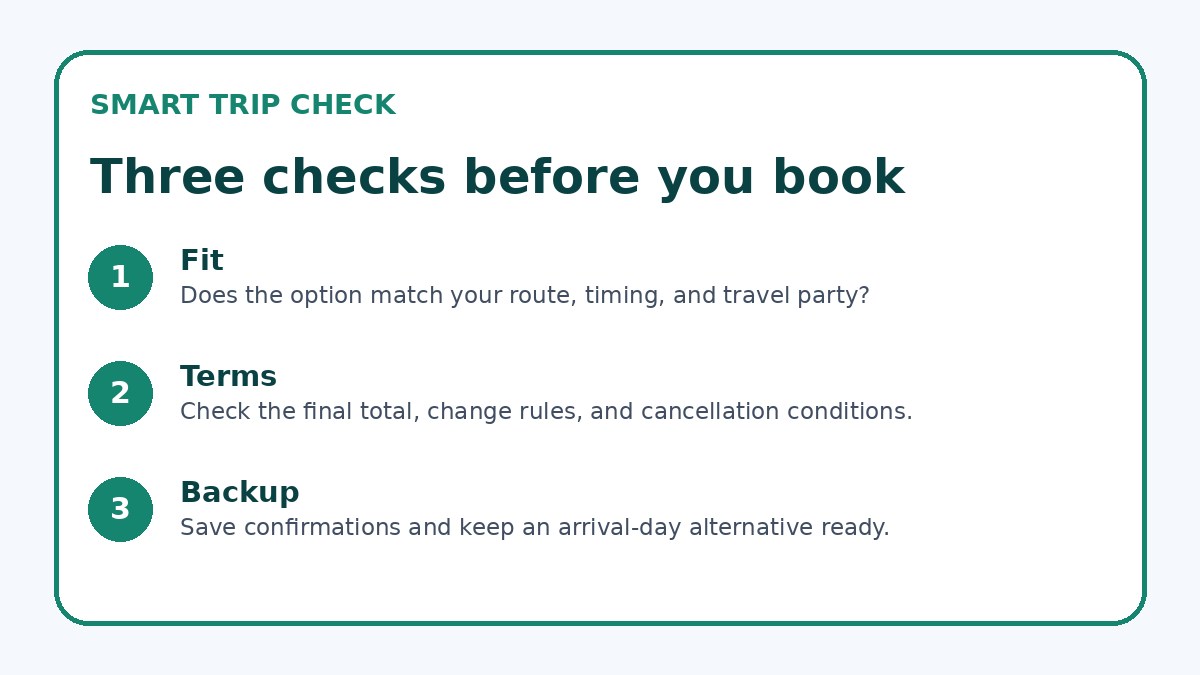
Timing flexibility: schedules, departures, and the value of control
Decide how fixed your departure time needs to be. Scheduled coach services run on timetables and may be cheapest, but they offer limited flexibility if your plans change; missing a coach often means waiting for the next one and repeating luggage handling. Private hires and taxis give you control over departure time and route, important when luggage makes standing, crowding, or transfers impractical. Shared transfers sit between the two: they can be cheaper than private hires but typically require a pickup window and sometimes multiple stops en route, which increases time but keeps more control than a fixed coach timetable.
Remember to include door-to-door time in your calculation, not just the in-vehicle leg. Account for loading and unloading, potential traffic congestion, and the time to reach the actual accommodation from the stop. If you’re traveling on a tight schedule — catching a flight, an event, or a check-in window — prioritize an option that reduces variables, such as a booked transfer that confirms a pickup slot. Confirm pickup windows, cancellation rules, and how late the operator will wait on the provider’s final booking page to avoid surprises.
Compare the practical alternatives
Use the final page to confirm what is actually offered on your dates and save a workable fallback.
Intercity travel checklist
- Confirm exact pickup and drop-off addresses and kerbside accessibility on the operator’s booking page before you book.
- Measure and weigh your main pieces so you can accurately declare oversized or extra luggage when reserving a seat or vehicle.
- Ask whether helpers will load/unload luggage at both ends and get this confirmed in writing if assistance is critical.
- Reserve a vehicle or coach seat that explicitly allows your luggage type (sport equipment, boxes, or fragile cases).
- Identify at least one alternate operator, taxi stand, or ride-hailing option near your pickup point before departure.
- Keep digital copies of all bookings and local contact numbers handy and share pickup details with your accommodation host.
Plan B and disruption readiness: backup options for delays or missing rides
Always have a realistic backup. If you rely on a single scheduled coach, note nearby taxi stands, ride-hailing pickup points, or alternative coach providers before you travel. For private and shared transfers, confirm contact numbers and what the operator’s protocol is for waiting time, missed pickups, or vehicle problems. Keep digital copies of booking confirmations and a local phone number to call. If your luggage is especially valuable or essential, consider splitting items between you and a companion so not everything is stranded if one bag is delayed.
Think through simple contingency choices: move to a nearby hotel or café with luggage storage if your first drop-off isn’t possible, or arrange a later transfer with a provider that allows easy amendments. If you’re driving yourself, check fuel, parking, and drop-off constraints at your destination, and plan an alternate parking or unloading spot in case the front entrance is inaccessible. Verifying flexibility and change policies on the operator’s booking page will tell you how easily you can switch to these backups.
Rail & Intercity Transport questions travelers ask
Is it better to take a coach or a private transfer when I have large suitcases?
If avoiding repeated lifting is your priority, a private transfer or hire car generally offers the smoothest experience because it usually involves one load and unload. Coaches can be a good budget option but typically require handling at coach bays and potentially short carries to your accommodation. When deciding, check the operator’s luggage policy and exact drop-off location on the booking page. If your suitcases are oversized or you have several pieces, confirm assistance and space in advance rather than assuming standard carriage.
How much extra time should I plan for loading and unloading luggage?
Allow extra time beyond the door-to-door drive or scheduled coach duration for loading and unloading — this includes waiting for staff, moving bags to the vehicle bay, and carrying them to your room or final address. For private transfers plan a buffer of at least several extra minutes; for coaches, account for longer waits if multiple passengers need assistance or if luggage is stowed under the vehicle. Check pickup window policies and whether the operator imposes strict wait limits so you don’t miss a booked ride because of slow loading.
What steps should I take if my booked operator cannot accommodate my luggage at short notice?
If your chosen operator cannot handle your luggage, immediately ask for alternatives: a larger vehicle, an extra seat for luggage, or referral to a partner service. If no immediate fix exists, use your contingency plan: call a local taxi or ride-hailing service that provides larger vehicles, or move to a nearby location with secure luggage storage while you reorganize. Make sure to check and confirm alternative providers’ luggage allowances on their booking pages before transferring bags, and keep documentation of your original booking in case you need customer service support.
Final decision note
For most travelers carrying extra luggage between Dubai and Abu Dhabi the practical priority is minimizing handling and transfers. That makes a private or shared door-to-door transfer or a hired car the simplest solution when you count the whole door-to-door journey, not just the time on the road. Coaches can save money but usually add steps, waits, and more physical effort; plan carefully if you choose that route. Whatever you pick, verify exact pickup and drop-off points, luggage policies, assistance availability, and flexibility on the provider’s final booking page. Finally, keep a realistic backup plan and contact details so luggage complications won’t derail your trip.
Continue planning
Check current options and final conditions
Use the provider page to confirm live availability, the final total, cancellation terms, and every condition that matters to your trip.
This evergreen planning guide was created with AI-assisted drafting and a structured quality review. It does not display live prices, schedules, availability, visa guidance, or provider rankings. Verify current details before booking. Some links are affiliate links; we may earn a commission at no additional cost to you.