
If your family prefers ground travel between Bangkok and Chiang Mai, start by deciding whether you want a single-mode trip (all train or bus) or a multi-city plan that mixes trains, buses and short regional hops. The easiest practical answer: map out legs that match your children’s rhythms — daytime trains with reserved seats for younger kids, overnight options for older children who sleep well, and short road segments to reach towns en route. Build the plan around realistic daily travel limits (max 6–8 hours of moving time for younger children) and one reliable rest day mid-route. Below I give concrete decision criteria, tradeoffs for each approach, and a checklist of what to verify before you finalize bookings.
How to choose single-mode versus multi-leg ground travel
Single-mode travel (all train or all bus) simplifies logistics — one booking platform or station, predictable boarding procedures, and fewer transfers. Families that prefer to unpack once and move less often often favor single-mode options, since younger children cope better without repeated seat-buckling and luggage handling. When you go single-mode, focus on seat class, whether there are berths, onboard restrooms, and luggage space. Also consider how medical needs, dietary routines, and nap schedules align with estimated moving hours.
Multi-leg plans split the trip into two or three manageable days, letting you add an overnight in a child-friendly town and turn travel into part of the holiday. This approach suits families who want to sightsee en route or avoid long continuous travel. Tradeoffs include more transfers and the need to coordinate arrival times with onward departures; add at least 60–90 minutes of buffer for each transfer to allow for restroom breaks, meals, and unexpected delays.
Comparing trains, buses, and private road segments
Trains typically offer smoother rides and more room to walk, which helps restless children. Day trains with reserved seating are good for families who want visibility and ability to use seats as a family cluster. Sleeper trains can save daytime but require assessing how well your children sleep in shared berths and whether berths are enclosed or open. When checking train options, verify exact carriage configurations, bedding provisions, and whether family or quiet cars are offered — confirm these details on the provider’s booking page before purchasing.
Buses are often faster on some routes and provide more frequency, but they can be bumpier and less comfortable for long stretches. Premium coaches sometimes offer extra legroom and onboard toilets, which can be valuable for families; however, verify coach type and stop patterns beforehand. Private road segments in a rented car or private transfer give full schedule control and the flexibility to detour for stops, but weigh driver quality, child-seat availability, and how much driving adults want to do with kids in the vehicle.

| Approach | Best for | Tradeoff to check |
|---|---|---|
| Single-mode train | Families wanting fewer transfers and room to move | Long uninterrupted travel time may be tiring; verify carriage types and berth options |
| Single-mode bus | Families prioritizing faster point-to-point travel and frequency | Less space to roam and potentially bumpier ride compared with trains |
| Multi-leg mixed rail/road | Families who want stops for sightseeing or shorter daily travel | More transfers to coordinate and tighter connection windows |
| Private car or transfer segments | Families needing schedule flexibility or door-to-door service | Higher cost and need to confirm child-seat availability and driver arrangements |
Designing stops, rest days, and kid-friendly activities en route
Plan stops based on realistic attention spans and energy: younger children usually need breaks every 2–3 hours, while older kids can handle longer stretches. Pick towns with parks, quiet cafés, or short, engaging attractions so stops refresh the family rather than merely extend travel time. If you incorporate an overnight mid-route, choose accommodation close to the station or terminal to limit transfer fuss and leave time for a short sightseeing window before settling in.
Factor in meal timing and access to familiar food. Travelling on a flexible schedule gives you control to prioritize family meals and avoid hangry children on long legs. Carry snacks, hydration, and a small kit with familiar comfort items. Also build recovery time after arrival in Chiang Mai: don’t schedule a full day of intensive sightseeing immediately after a long travel leg—let everyone adjust, hydrate, and get a good night’s sleep before pushing the itinerary.
Before you book
- Decide whether you prefer single-mode travel or a multi-leg plan and outline preferred stop towns.
- Confirm exact departure and arrival station names and whether transfers require moving between terminals.
- Check seat/berth types, family seating availability, and baggage rules on the provider’s booking page before payment.
- Build at least 60–90 minutes buffer for each transfer and longer buffers if traveling with toddlers or heavy luggage.
- Pack a carry-on family kit with medications, snacks, spare clothes, chargers, and quiet activities for the children.
- Reserve child seats or special assistance for private transfers and verify pick-up point details in writing.
What to verify before booking and how to reduce stress on travel day
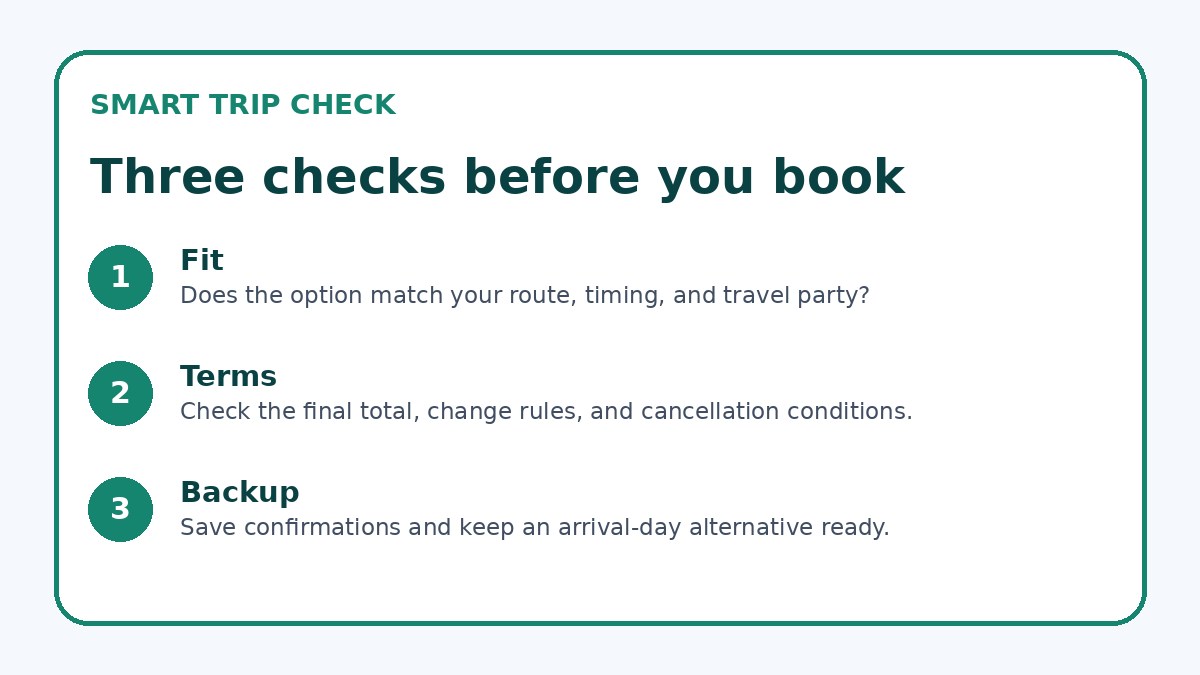
Before you book, verify practical details on the provider’s final booking page: exact departure and arrival stations, platform change possibilities, baggage allowances, seat or berth configurations, cancellation and change policies, and any family seating options. Check the transfer logistics between different modes—for example, whether the bus terminal is at the same location as the train station and how long the walk or transfer takes. If child seats or assistance are needed for a private vehicle, confirm availability and any extra fees directly.
On travel day, arrive earlier than usual when you have small children or a lot of luggage; use luggage trolleys and ask staff for assistance if available. Pack a day bag with immediate essentials, including medication, wipes, a change of clothes, and entertainment. Keep printed and digital copies of all bookings and local contact numbers. Finally, set expectations with your children about the day ahead—describe where you’ll stop, when the next meal will be, and how long the leg will last to reduce anxiety and surprises.
Frequently asked questions
Is the train a better choice than the bus for families traveling Bangkok to Chiang Mai?
Trains generally offer more space to move, smoother motion, and the option of sleepers, which many families prefer for comfort and rest. Buses can be faster point-to-point and often have more departures, which helps with schedule flexibility. The best choice depends on your children’s sleep patterns, how well they handle motion, and whether you value fewer transfers or a shorter travel duration. Always check carriage or coach type, onboard facilities, and exact schedules on the booking page before deciding.
How should I split the trip if we want an overnight stop en route?
If you want an overnight stop, choose a midpoint town that offers easy access from the route and family-friendly accommodation near the station or terminal to minimize transfer time. Aim for daily moving segments that keep travel to about 4–6 hours for younger children and up to 8 hours for older kids. Allow time for a short afternoon activity after checking in so everyone can stretch and recover. Verify arrival times for the onward leg and add buffer time to accommodate delays.
What paperwork and confirmations should we carry when traveling between Bangkok and Chiang Mai by ground?
Bring printed or screenshot copies of all bookings, including train or bus tickets, private transfer confirmations, and hotel reservations for any stopovers. Carry ID documents for each family member and any medical prescriptions. If you use a separate transfer between stations, keep the driver’s contact details and a local phone number ready. Confirm baggage allowances and any special assistance reservations on the provider’s final booking page before departure.
Final planning note
Planning ground travel from Bangkok to Chiang Mai with family involves balancing travel duration, transfer complexity, and your children’s comfort. Start by selecting single-mode or a multi-leg plan based on how many transfers you and your kids can handle, and whether you want to stop and sightsee en route. Compare trains, buses and private segments by seat type, onboard facilities, and transfer logistics, and always verify exact station names, carriage or coach configurations, and baggage rules on the booking page before paying. With stops and buffers built into your plan, ground travel can become a relaxed part of the family adventure rather than a stressful hurdle.
Continue planning
Check current options and final conditions
Use the provider page to confirm live availability, the final total, cancellation terms, and every condition that matters to your trip.
This evergreen planning guide was created with AI-assisted drafting and a structured quality review. It does not display live prices, schedules, availability, visa guidance, or provider rankings. Verify current details before booking. Some links are affiliate links; we may earn a commission at no additional cost to you.