Practical answer first: families traveling Tokyo to Kyoto should start by choosing the core ground mode (shinkansen, limited express train, highway bus, or car) and then layer in city stops, luggage strategy, and child-friendly timing. Pick the core mode based on how many days you have, how much walking small children can handle, and whether you want to stop at intermediate cities like Hakone, Nagoya, or Lake Biwa. Once you pick rail, bus, or driving as the spine of your plan, map each overnight and check transfer points and downtown station access. This article walks you through the tradeoffs — comfort, cost, flexibility, and packing — and gives a step-by-step approach to create a multi-city ground route that works for families with strollers, toddlers, or older children.
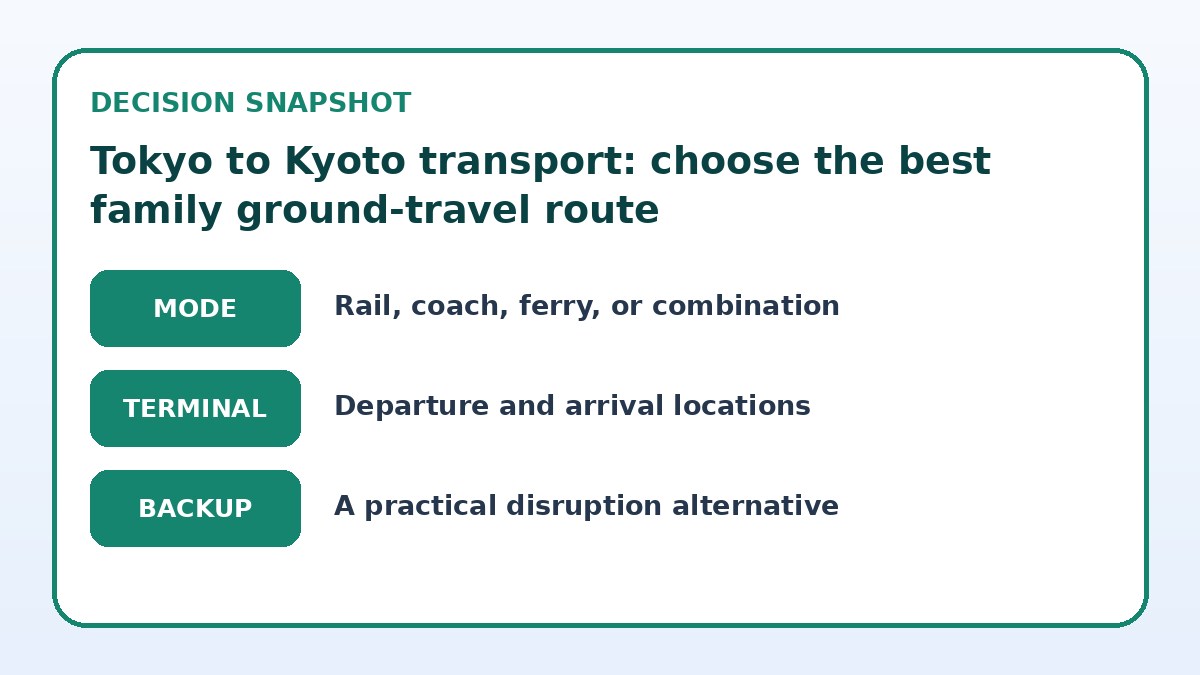
See current options before you compare the details
Availability and final conditions change. Open Trip.com now or keep reading for the practical comparison.
Pick the spine: rail, bus, or car
Start by deciding the primary mode that will carry you from Tokyo to Kyoto — that “spine” shapes timing, stops, and luggage choices. For many families the shinkansen (bullet train) is a natural spine because it connects Tokyo and Kyoto quickly and drops you near city centers. If you prefer fewer transfers and can carry strollers or rolls of luggage, that convenience matters. Highway buses are attractive for budgets or overnight travel, turning travel time into sleeping time and saving a hotel night; however, consider kids’ comfort on long highway stretches and opportunities to stretch legs during scheduled breaks.
A rental car spine gives unmatched flexibility for side trips to less-served sights and for carrying more luggage and gear, but it brings responsibilities: understanding local driving rules, parking logistics in dense city centers, and child-seat requirements. Families with very young children often prefer the predictability and comfort of trains, while those with older children who enjoy sightseeing between cities may like a mixed plan that uses rail for main legs and a car for shorter regional explorations. Your spine decision should reflect how many hours you want children seated in a day and how much you value spontaneous detours.
Design multi-city legs and overnight choices
Once the spine is set, break the Tokyo–Kyoto route into manageable legs and choose overnight stops that reduce travel stress. For families, aim for travel days no longer than four to six hours door-to-door when possible; this can mean a direct Tokyo–Kyoto leg on fast rail or splitting the journey with an overnight in Nagoya, Hakone, or the Lake Biwa region. When planning stops, factor in how far each station is from centrally located family-friendly accommodations and whether evening arrival will leave time for a relaxed dinner, a short park visit, or an early bedtime for children.
Select hotels or guesthouses with family rooms, laundry options, and simple in-house meals to simplify logistics after travel. If you’re using trains as the spine, prioritize accommodations near the station to minimize additional transfers; for a car-based plan, pick overnight stops with easy parking or on-site facilities. Also consider a buffer day in Kyoto at the end to recover from transit and give the family a relaxed start to sightseeing, which is especially helpful if your route included long bus or driving segments.
| Approach | Best for | Tradeoff to check |
|---|---|---|
| Fast rail spine (shinkansen) | Families who prioritize speed, station-to-station convenience, and predictable schedules | Higher base cost and walking between platforms; limited onboard space for large luggage or strollers |
| Highway bus spine | Budget-conscious families and those comfortable with overnight travel to save a hotel night | Longer travel time, fewer comfort amenities, and constrained movement for restless children |
| Car spine (rental) | Families wanting flexibility, sightseeing off the beaten path, and more luggage room | Parking, tolls, narrow streets, and managing child-seat rules can add complexity |
| Mixed-mode plan (rail plus short car legs) | Families who want fast intercity travel plus flexible local explorations without driving long distances | Requires coordination of transfers, separate bookings, and luggage handling between modes |
Ready to check the option that fits your plan?
Use your exact dates and traveler details so the provider page can show the current total and conditions.
Luggage, strollers, and kid gear strategy
A practical luggage strategy keeps family travel manageable: consolidate gear, use backpacks or soft-sided luggage for easier carriage, and limit bulky items if you plan frequent transfers. Many trains have limited luggage space on crowded services; for shinkansen trips consider smaller suitcases and backpacks that can fit overhead or at carriage ends. If traveling by bus, check the amount of hold luggage allowed and whether you can access it during stops. For car travel, pack a well-organized vehicle trunk and secure child seats properly, but avoid overloading the cabin where kids sit.
Strollers and carriers are an important call: lightweight umbrella strollers fold more easily for trains and buses, while larger strollers may be cumbersome on crowded platforms or bus aisles. Bring a compact carrier for toddlers who nap; it eases transfers and station navigation. Wherever possible, book accommodations with ground-floor access or elevators to avoid lugging strollers up stairs. Finally, create a small day-bag with snacks, wet wipes, a change of clothes, and basic first-aid items so you won’t need to rummage through large suitcases while on the move.
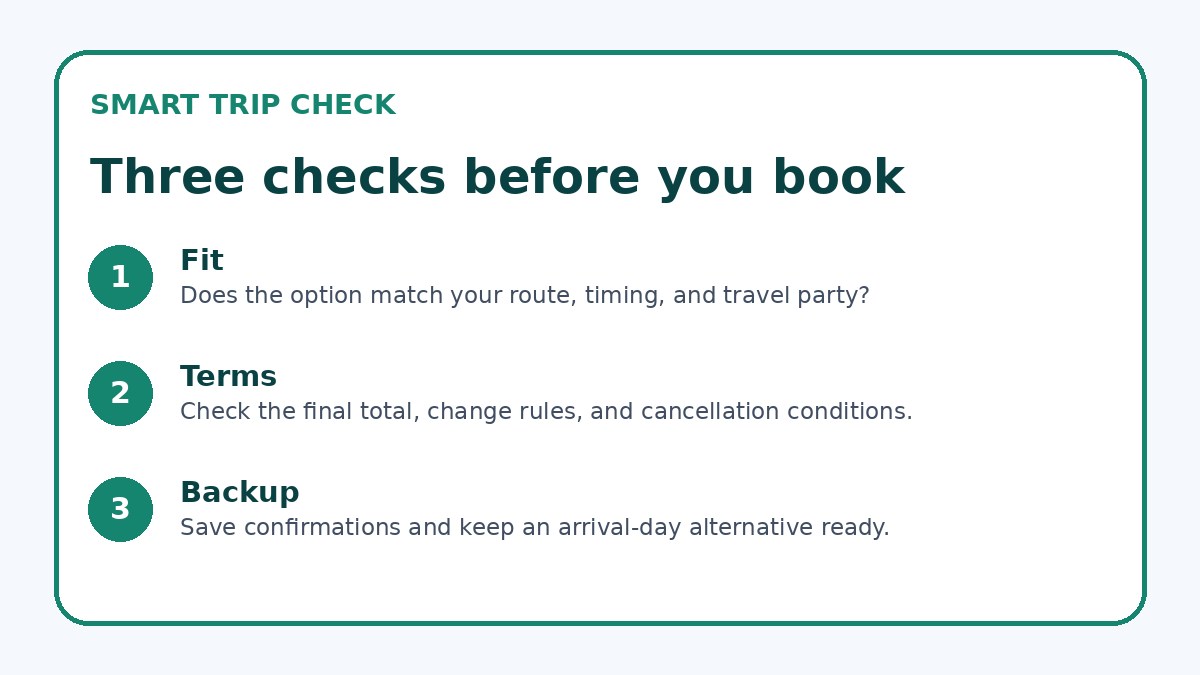
Before you book
- Decide which spine (rail, bus, car, or mixed) best matches your children’s tolerance for seated time and your preferred sightseeing stops.
- Map daily legs and book at least the first and last night near major stations or with guaranteed parking, depending on transport mode.
- Confirm child-seat rules and reserve child seats or stroller space with the provider or car rental when required before arrival.
- Pack a compact day bag with snacks, medicines, wet wipes, a change of clothing, and entertainment for transit periods.
- Verify luggage allowances, transfer walking distances, and platform access on the provider’s booking page prior to purchase.
- Plan buffer time for transfers and include at least one recovery day in Kyoto to adapt after travel and reduce stress.
Timing, tickets, and verifying provider details
Timetables, ticket types, and reservation rules vary by provider, so treat this planning stage as assembling options, not final purchases. For train travel verify exact departure platforms, reserved-seat requirements, and whether a rail pass or individual tickets suits your itinerary; if you use an overnight bus, check boarding locations and whether seats recline fully. When renting a car, confirm pick-up and drop-off locations, child-seat availability, insurance coverage, toll systems, and city parking policies. Always double-check the provider’s final booking page for up-to-date policies and any requirements for family seating or luggage limits.
Compare direct versus connecting options by weighing total door-to-door time, the number of transfers, and the recovery capacity of your children. Direct services reduce stress but can be pricier; connecting legs might save money or allow planned stops. If you plan a mixed spine—rail for main legs and a short car rental for local exploration—make sure transfer points have safe parking or luggage storage. Remember to check cancellation and change policies and whether refunds or rebookings are allowed, since family plans often shift with illness or weather.
Frequently asked questions
Is the shinkansen the best choice for families traveling from Tokyo to Kyoto?
The shinkansen is often a great choice because it provides fast, frequent service between city centers with predictable schedules and comfortable seating. For families it reduces time in transit and keeps you close to central hotels, which simplifies logistics for strollers and short attention spans. However, it isn’t always the lowest-cost option and can involve carrying luggage on and off platforms. Evaluate whether a slightly slower option with fewer transfers or a car for specific side trips better matches your family’s needs before deciding.
How should families handle luggage and strollers on multi-city ground trips in Japan?
Minimize bulky luggage and use soft-sided suitcases or backpacks for ease on trains and buses. Lightweight umbrella strollers fold compactly for platforms and buses; carriers are useful for naps and crowded transfers. If you expect repeated transfers, consider luggage forwarding services (check provider pages) or staying near stations to reduce walking. Always test-fit your luggage into typical carriage spaces ahead of travel days and allocate a day bag with essentials so you can access necessities without unpacking main bags.
Can we combine rail and car travel effectively between Tokyo and Kyoto with kids?
Yes—many families use fast rail for the main long-distance legs and rent a car locally to explore nearby attractions where public transit is sparse. This mixed approach balances speed and flexibility: rail reduces total seated hours, while a short car rental enables door-to-door access for scenic side trips with luggage. To make it work, coordinate pick-up/drop-off locations, allow time for transfers, and confirm parking and child-seat availability at the car rental provider’s booking page.
Final planning note
Building a family-friendly Tokyo to Kyoto ground-transport plan means choosing a travel spine that reflects how much seated time children can tolerate, how much flexibility you need for side trips, and how much luggage you’ll carry. Start by selecting rail, bus, car, or a mix as your backbone, then design daily legs and overnight stops to keep travel days short and restful. Pay special attention to luggage handling, stroller options, and provider rules on child seats or reserved seating before booking. With a clear spine and realistic daily goals, your multi-city itinerary can balance sightseeing and downtime so the whole family enjoys the journey as much as the destination.
Continue planning
Check current options and final conditions
Use the provider page to confirm live availability, the final total, cancellation terms, and every condition that matters to your trip.
This evergreen planning guide was created with AI-assisted drafting and a structured quality review. It does not display live prices, schedules, availability, visa guidance, or provider rankings. Verify current details before booking. Some links are affiliate links; we may earn a commission at no additional cost to you.