If your schedule in Tokyo ends with a flight, planning the return journey to the airport is the single most useful thing you can do before checking out. For business travelers the key priorities are predictable travel time, easy luggage handling, clear payment and a buffer for delays. Decide first whether you want the fastest rail option, a direct road transfer, or a mix (train to a nearby station plus a short taxi or shuttle). Consider where you are staying, which airport you fly from (Narita or Haneda), the time of day you travel, and whether you prefer fixed pickup times or flexible departure windows. This guide gives the practical choice up front, then walks through tradeoffs, timing tactics, and the precise items to verify on the provider’s booking page so you leave Tokyo with confidence.
See current options before you compare the details
Availability and final conditions change. Open Trip.com now or keep reading for the practical comparison.
Decide by priorities: speed, predictability, cost, or convenience
Start by ranking what matters most to your trip. If you have a tight meeting schedule or are leaving very early, speed and predictability are likely your top priorities. That pushes you toward options that minimize transfers and walking with luggage—direct airport shuttles, hotel-arranged cars, or private transfers. If you prize cost savings or want more departure frequency, rail options can be better, but they usually require more navigation time inside stations and possibly a taxi for the last mile.
If convenience is the deciding factor, choose a solution that reduces stress at the end of your trip: a single-point pickup and drop-off, assistance with luggage, and clear confirmation of meeting time and place. Business travelers who mix work with travel may prefer services that allow easy changes to pickup time. Whatever you pick, balance your priorities against the real constraints—distance to Narita or Haneda, traffic patterns at the time you travel, and whether your arrival at the airport requires an international or domestic check-in process, which can change the buffer you need.
Compare rail vs road: what to expect and how to compare
Tokyo’s rail network can be the fastest choice in rush-hour traffic because trains avoid roads, and high-frequency services reduce waiting time. Trains are predictable in schedule but may involve crowded platforms, stairs or elevators, and one or more transfers depending on where you stay. For travelers with little hand luggage and a hotel by a major line, rail often yields reliable journey times and easy rebooking options. However, compare total door-to-door time—not just in-train duration—by adding transit time to and from stations and possible taxi rides.
Road transfers—airport limousine buses, taxis, or private cars—offer door-to-door convenience and simpler luggage handling but can be affected by traffic congestion and road incidents. For late-night or early-morning flights when trains are less frequent, road options might be the only practical choice. When comparing services, verify pickup/dropoff points, whether the vehicle will stop outside your hotel entrance, baggage policies, and what contingency plans exist for delays. Always check the provider’s final booking page for live availability and exact pickup instructions.
| Approach | Best for | Tradeoff to check |
|---|---|---|
| Rail (express or local trains) | Travelers near major stations seeking frequent departures and predictable on-track times | May require station navigation, transfers and carrying luggage on stairs or crowded platforms |
| Airport limousine bus or scheduled shuttle | Travelers wanting single-ticket simplicity and direct hotel-to-airport service | Subject to road traffic and fixed schedules—missed bus can mean a long wait |
| Taxi or ride-hailing | Small teams or tight door-to-door needs with flexible pickup times | Higher variability from traffic and potential surcharge for luggage, tolls, or late-night pickup |
| Private pre-booked car or transfer | High-priority meetings and guaranteed vehicle types, privacy, and luggage assistance | Less flexible on last-minute changes and typically requires booking confirmations and clear cancellation terms |
Ready to check the option that fits your plan?
Use your exact dates and traveler details so the provider page can show the current total and conditions.
Timing strategy: leave buffer, choose departure windows, and plan checkpoints
Work backwards from your flight’s recommended airport arrival time and your preferred margin for unexpected delays. Decide on a firm departure window from your hotel rather than a single minute, and communicate that to the transfer provider when possible. For rail journeys, allow extra time for station navigation, ticket vending machines or line queues, and transferring between platforms. If using a fixed-schedule shuttle or limousine bus, pick a service that departs with enough lead time to absorb minor setbacks.
Set simple checkpoints to monitor progress: a confirmed pickup time, a backup taxi app preloaded on your phone, and an alternative rail route if the primary line is disrupted. If your return begins after a client dinner or late meeting, build larger buffers—public transport frequency drops late at night and staffing for some services is limited. For international departures, factor in immigration and security, and for domestic flights check whether additional time for bag drop or domestic security screening is needed.
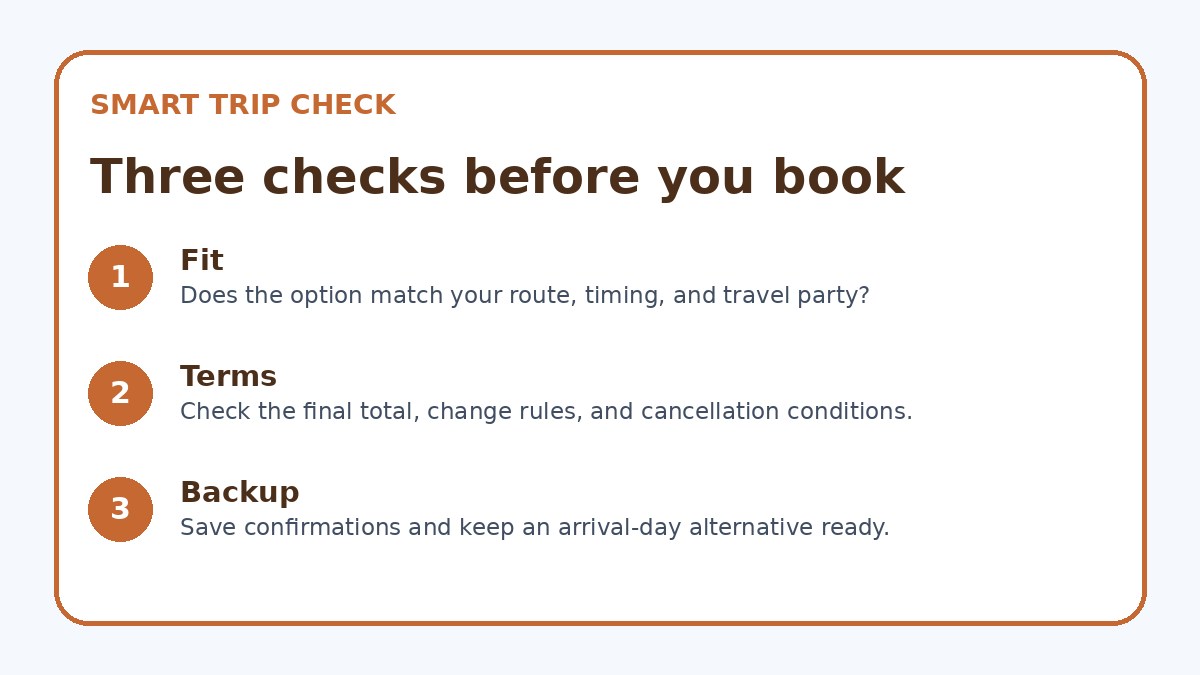
Before you book
- Confirm which Tokyo airport you fly from (Narita or Haneda) and note terminal-specific check-in requirements.
- Work backwards from your flight time to set a door-to-door departure window with at least one built-in buffer.
- Check pickup location details on the provider’s booking page (hotel entrance, station exit number, floor or landmark).
- Verify baggage rules, passenger limits, and whether assistance is included for carry-on and checked items.
- Save the provider’s local contact number and carry a digital and printed copy of the booking confirmation.
- Prepare a backup option (local taxi app or nearby train route) in case your primary transfer is delayed or canceled.
What to verify before booking and practical tips at pickup
Before you confirm any transfer, verify the full terms on the provider’s booking page: exact pickup location, the cancellation and change policy, baggage allowances, meeting procedure for drivers, and refund terms in case of delays. If a service requires meeting at a station kiosk or hotel lobby, note which floor or entrance to avoid rushing at the last minute. Check whether the quoted journey time is door-to-door or just in-vehicle time, and whether any transfers are required between different services.
At pickup day, have copies of your booking confirmation and the provider’s contact number easily accessible, and share your flight and hotel details with the driver if requested. Keep digital boarding passes and passport where you can reach them without unpacking. If you must change time or pickup point, confirm any additional charges on the spot and request written confirmation of the new arrangement. Finally, if you want to compare current availability, Trip.com can be used as one place to check options, but always verify specifics on the provider’s own booking page before paying.
Frequently asked questions
How much buffer time should I leave for a Tokyo airport transfer from central hotels?
Leave a buffer that reflects your priorities: for international flights and peak times, plan a larger buffer to cover check-in and security. If you prefer rail, account for walking time to stations and possible transfers. For road transfers, increase the buffer around peak commuting hours and during large events when traffic can spike. A good approach is to schedule your transfer to arrive at the airport earlier than your minimum comfortable arrival time so small delays won’t jeopardize your boarding.
Should I book a private car or rely on trains for a late-night departure?
Late-night travel narrows options because some trains and buses reduce frequency or stop running. If departure times are outside the main rail service window, a private car or taxi offers certainty and door-to-door convenience. If cost control is important and you can confirm reliable late-night rail or shuttle schedules, trains can still work. Always check the service hours on the provider’s booking page and prepare a backup taxi option in case the scheduled public services are not operating when you need them.
What should I check about luggage and meeting points when booking an airport transfer?
On the booking page, confirm the number and size of bags allowed, whether drivers help with loading, and any extra charges for oversized items. Note the exact meeting point description—include building names, exit numbers, or hotel entrance details—and whether the driver will wait or make multiple attempts. For transfers involving station pickup, look for platform or exit numbers and nearby landmarks. If instructions are unclear, contact the provider before arrival to avoid rushed last-minute coordination.
Final planning note
For business travelers in Tokyo, the return trip to the airport is best solved by matching your priorities to the right mode: choose rail when frequency and avoiding traffic matter, pick road transfers for door-to-door ease, and consider private cars when predictability and luggage handling are essential. Always work backwards from flight time, build reasonable buffers, and verify pickup details, baggage rules, and change or cancellation policies on the provider’s booking page before you pay. Keep a clear backup plan—taxi app or alternate train route—and you’ll reduce stress and arrive at the airport with time to focus on the next meeting or the flight ahead.
Continue planning
Check current options and final conditions
Use the provider page to confirm live availability, the final total, cancellation terms, and every condition that matters to your trip.
This evergreen planning guide was created with AI-assisted drafting and a structured quality review. It does not display live prices, schedules, availability, visa guidance, or provider rankings. Verify current details before booking. Some links are affiliate links; we may earn a commission at no additional cost to you.