If you’re traveling to Singapore alone, the practical choice is to prioritize a convenient neighborhood that shortens transit times, then select a room that meets your comfort and safety needs. That usually means picking an area well served by MRT lines and buses, close to essentials like 24-hour convenience stores and eateries, and choosing a room with good soundproofing, comfortable bed, and reliable Wi‑Fi. For many solo travelers the marginal benefit of a slightly larger or quieter room outweighs being a few minutes’ walk from the nearest attraction. This guide walks you through the tradeoffs—central vs quieter districts, compact rooms vs comfort upgrades, and what to check on booking pages for final confirmation—so you can make a decision that fits your itinerary, budget, and appetite for evening exploration.
See current options before you compare the details
Availability and final conditions change. Open Trip.com now or keep reading for the practical comparison.
Pick a neighborhood that matches your pace
Singapore’s compact size means a single decision about neighborhood changes how you’ll experience evenings, transit, and safety. For a traveler who plans long days and late nights, staying near an MRT interchange or a station on a single line simplifies returning to the hotel. Central areas—Marina Bay, Orchard, Chinatown or Bugis—place you within walking distance of many attractions and restaurants, which reduces the need for multiple transfers. If you prefer late-night walks or easy solo dining, prioritize streets with active foot traffic and late-hour options rather than strictly the most touristy blocks.
If you prefer calm after busy days, consider neighborhoods slightly off the main tourist corridors: Tiong Bahru, Geylang (choose safe streets), or Katong/ Joo Chiat offer quieter blocks with local cafés and longer-stay comforts. These areas can provide larger rooms and a more residential feel, but check public transport links: some require a short bus ride to the nearest MRT. Assess how often you’ll need to travel across the city—if you’ll be moving around a lot, favor central convenience even at the cost of a smaller room.
Room comfort essentials for solo travelers
When you’re solo, the room is more than a place to sleep—it’s your workspace, landing spot, and safety base. Key comforts to check on the booking page include bed size and mattress description, soundproofing or mentions of quiet rooms, and blackout curtains. Reliable, fast Wi‑Fi matters for planning and staying connected; verify whether Wi‑Fi is complimentary and if there are any reported speed issues in recent guest notes. A good desk, ergonomic chair, and accessible power outlets near the bed make the room far more functional for remote work or trip planning.
Bathroom layout and storage matter too; a compact bathroom can feel cramped after a long day. If you value privacy, check whether the room has a separate shower and toilet or an enclosed bathroom rather than an open plan wet room. Look for properties that specify in-room safes, secure locks, and 24-hour reception if you’ll arrive late. Finally, find out whether the hotel offers luggage storage, late check-in options, and same-day housekeeping—practical features that improve a solo traveler’s comfort without inflating costs.
| Approach | Best for | Tradeoff to check |
|---|---|---|
| Central location (MRT hub) with compact room | Travelers prioritizing sightseeing convenience and short transit times | Smaller room and possibly more street noise; less private space for work or downtime |
| Residential neighborhood with larger room | Those who value quiet, local atmosphere, and more in-room space | Longer commutes to some attractions and fewer late-night dining choices nearby |
| Midtown compromise with modest upgrade | Travelers who split time between exploring and remote work | Moderate transit times and mid-sized rooms; balance between cost and comfort |
| Budget capsule or pod hotel near transport | Solo travelers who only need a clean, secure place to sleep | Very limited space and amenities; not ideal for working or extended stays |
Ready to check the option that fits your plan?
Use your exact dates and traveler details so the provider page can show the current total and conditions.
Safety, convenience, and solo-traveler amenities
Safety for solo travelers in Singapore is generally high, but practical checks still matter at booking. Confirm 24-hour front desk availability and whether the property has secure keycard access, CCTV in public areas, and clear contact details for local assistance. Look for hotels with on-site dining or nearby late-opening eateries if you expect to return late. If you plan to use rideshares, check whether the hotel has a designated pickup/drop-off point; if you’ll use public transport, confirm the walking route to the nearest station and whether it’s well lit at night.
Convenience amenities can save time and reduce friction: luggage storage for early arrivals or late departures, laundry or self-service facilities, and a concierge that can book taxis and tours. For solo travelers working or freelancing, a hotel with a business center or lobby seating that’s comfortable for laptop use adds flexibility. If you rely on public transit, verify on the provider’s pages the proximity to MRT entrances, bus stops, and whether the hotel lists recent renovations that might affect access routes or noise levels.
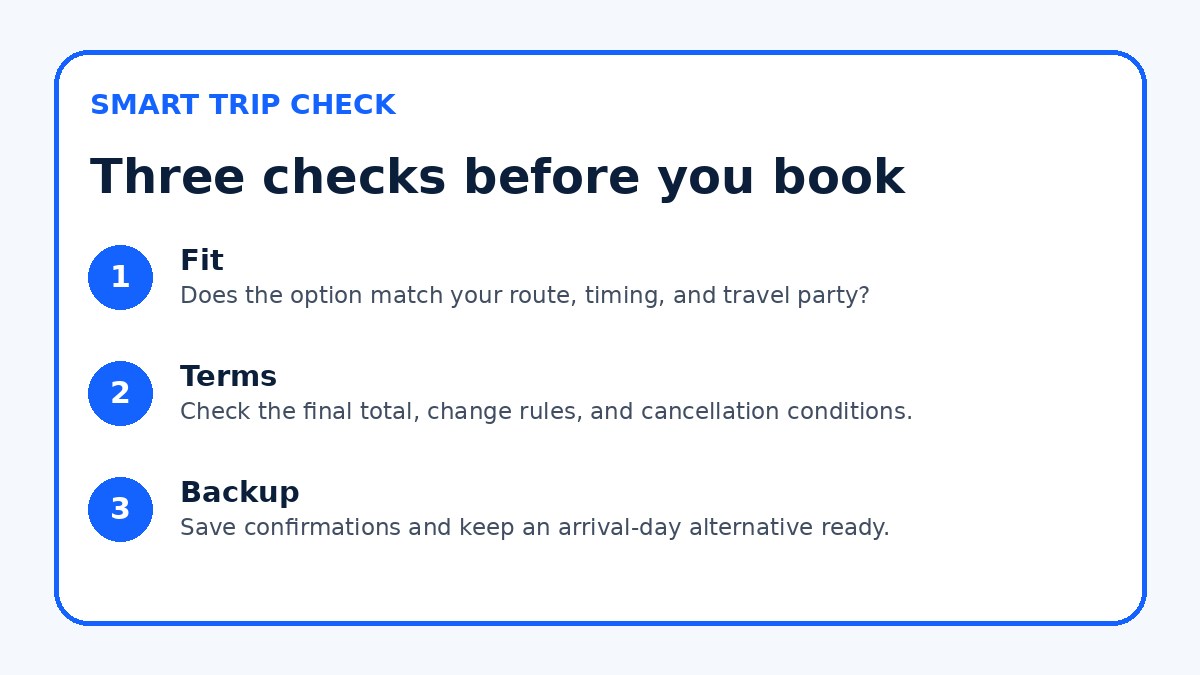
Before you book
- Confirm the hotel’s nearest MRT station and estimate walking time after dark using a map app.
- Verify room size, bed type, and whether images on the booking page represent your exact room category.
- Check recent guest comments for recurring issues like noise, Wi‑Fi problems, or unreliable lifts.
- Confirm 24-hour reception, keycard access, and whether the property offers luggage storage for late departures.
- Ask the hotel (or read the booking notes) about pickup/drop-off points if you’ll use rideshare services.
- Compare cancellation and check-in/check-out policies on the final provider page before completing the booking.
How to compare bookings and what to verify
When comparing Singapore hotels, focus on the concrete attributes that affect your stay. Compare room dimensions, bed type, and whether the price includes breakfast or any other useful perks. Read recent guest feedback for patterns (persistent noise, unreliable Wi‑Fi, or slow elevators) rather than isolated comments. Always check the property’s final booking page for cancellation policy, check-in and check-out times, specific room photos or floor plans, and any mandatory city or tourism levies that the property requires on arrival.
If a deal looks good, verify the exact room type and whether the images shown match the assigned room—you can often contact the property directly to request a quieter floor or higher room. If you want consolidated availability to compare options, Trip.com can be used as one market aggregator, but confirm all final facts on the hotel’s or booking provider’s confirmed reservation page. Finally, weigh transit time against room comfort: a marginally higher fare for a quieter, larger room may be worth it if you’ll spend significant time in your hotel.
Frequently asked questions
Which Singapore neighborhoods are most convenient for a solo traveler who wants nightlife and transit options?
For active evenings and easy transit, aim for neighborhoods served by major MRT lines and with lively streets: consider areas around Orchard, Bugis, Chinatown, and Clarke Quay. These neighborhoods cluster restaurants, bars, and attractions within walking distance or a single short MRT ride, reducing the need for complex transfers late at night. If you want quieter nighttime walks while staying near nightlife, look for hotels on side streets a short walk from the main hubs and check recent guest feedback about street noise before booking.
How much should I prioritize room size versus being close to attractions?
Decide based on how you’ll spend your time: if most days are spent exploring and evenings are short, a smaller room close to attractions can be efficient. If you plan to work, relax in the room, or value restful sleep after long days, prioritize larger rooms with good soundproofing and comfortable furnishings. Often a midtown choice—one or two MRT stops from the core—offers the best compromise: modestly larger rooms and reasonable transit times. Use the booking page to confirm room dimensions rather than relying on generic labels.
What practical hotel features should solo travelers check before booking in Singapore?
Look for 24-hour reception, keycard and CCTV security, luggage storage, and clear pickup/drop-off instructions for taxis and rideshares. Verify Wi‑Fi availability and whether it’s included, and check if the hotel offers late check-in options if arriving after midnight. Also confirm whether breakfast is included if you prefer to dine on-site and whether laundry or self-service facilities are available for longer stays. Finally, read recent guest notes for patterns—multiple mentions of the same issue are more meaningful than a single comment.
Final planning note
Balancing location and room comfort in Singapore is a practical tradeoff: prioritize a neighborhood that reduces transit friction for your planned activities, then choose a room that supports rest, work, and security. Central locations save time and make solo evenings simpler, while quieter residential areas often offer more space and local flavor. Use the checklist to confirm transit links, room details, safety features, and booking policies on the hotel’s final page before you reserve. If you want a quick cross-check of availability, use an aggregator like Trip.com but always verify the final details and conditions with the property or the booking provider.
Continue planning
Check current options and final conditions
Use the provider page to confirm live availability, the final total, cancellation terms, and every condition that matters to your trip.
This evergreen planning guide was created with AI-assisted drafting and a structured quality review. It does not display live prices, schedules, availability, visa guidance, or provider rankings. Verify current details before booking. Some links are affiliate links; we may earn a commission at no additional cost to you.