
If you’re traveling from Seoul to Gangneung with oversized or extra luggage, the practical decision is about two linked choices: which departure station or terminal to use in Seoul, and how you’ll handle transfers at each step (train platform, bus terminal, taxi stand, or station lockers). Prioritize stations and terminals with step-free access, elevators, clear transfer signage, and nearby taxi or shuttle options. This article lays out the main station choices, transfer patterns, luggage handling options, and the tradeoffs—convenience versus cost, door-to-door speed versus fewer transfers. I’ll also explain what to check on booking pages and at the station so you don’t discover surprises when you arrive with big bags.
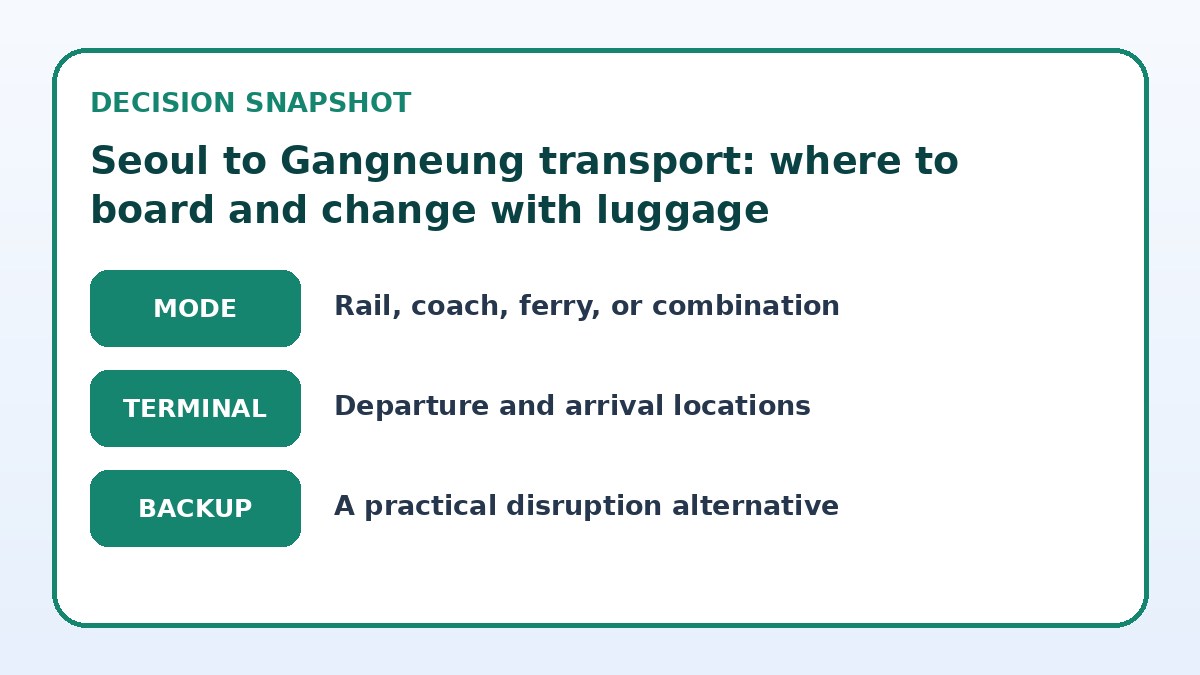
See current options before you compare the details
Availability and final conditions change. Open Trip.com now or keep reading for the practical comparison.
Which Seoul departure points make transfers easiest with luggage
Seoul has several major rail and bus hubs; the right one depends on how you want to travel and how much you want to carry. For travelers with heavy or oversized luggage, prioritize hubs with level access between street, concourse, and platforms or dedicated elevators and escalators. Consider proximity to where you’ll start—an extra taxi ride in Seoul might be worth it to avoid heavy lifts. Also check whether the departure point has staffed information counters that can advise on the shortest transfer routes and where to find elevators or luggage trolleys.
Before you commit, compare door-to-platform layouts: some stations require long tunnels, stairs, or multiple escalators to reach intercity platforms, which can be slow and tiring with bags. Bus terminals often have larger waiting areas and easier vehicle access, but they can be farther from central neighborhoods. If you plan to switch between modes (for example, from a Seoul subway to an intercity train), map the route between the two points using station maps or official station guides, and verify elevator locations on the provider’s site to avoid surprises.
Planning transfers along the route: train, bus, taxi and last-mile choices
When you research Seoul to Gangneung transport options, list potential transfer points—platform changes, bus terminal exits, and taxi ranks—and visualize the movements you’ll make with your luggage. Transfers that involve crossing streets or moving between unconnected buildings add time and effort. If you prefer minimizing walking and handling, prioritize options that end at Gangneung terminals with curbside drop-offs and short platform-to-exit distances. Keep an eye on whether you’ll need to carry bags across concourses or along exposed sidewalks; bad weather or peak crowds make those moves harder.
If a connecting transfer is unavoidable, plan for contingencies: give yourself buffer time, know where station elevators and step-free routes are, and identify nearby paid lockers or left-luggage services as backups. For last-mile travel in Gangneung, research taxi stands that accept large luggage and consider pre-booked rides that list luggage capacity. You can also decide to ship bulky items ahead or to a hotel pickup, but verify delivery or pickup windows and the provider’s handling policies on their booking pages.
| Approach | Best for | Tradeoff to check |
|---|---|---|
| Direct train to Gangneung | Travelers who want fewer transfers and can handle walking within stations | May require longer platform walks or stairs at departure and arrival stations |
| Train plus local taxi at Gangneung | Those prioritizing last-mile convenience with heavy or bulky luggage | Adds taxi cost and requires finding a vehicle large enough for luggage |
| Bus from Seoul terminal to Gangneung terminal | Travelers preferring curbside boarding and easier vehicle access | May involve a longer journey time and transfers to reach the bus terminal |
| Ship or courier luggage ahead | Travelers who want hassle-free hands-free transfers and minimal station handling | Requires coordination with hotel or pickup points and lead time for delivery |
Ready to check the option that fits your plan?
Use your exact dates and traveler details so the provider page can show the current total and conditions.
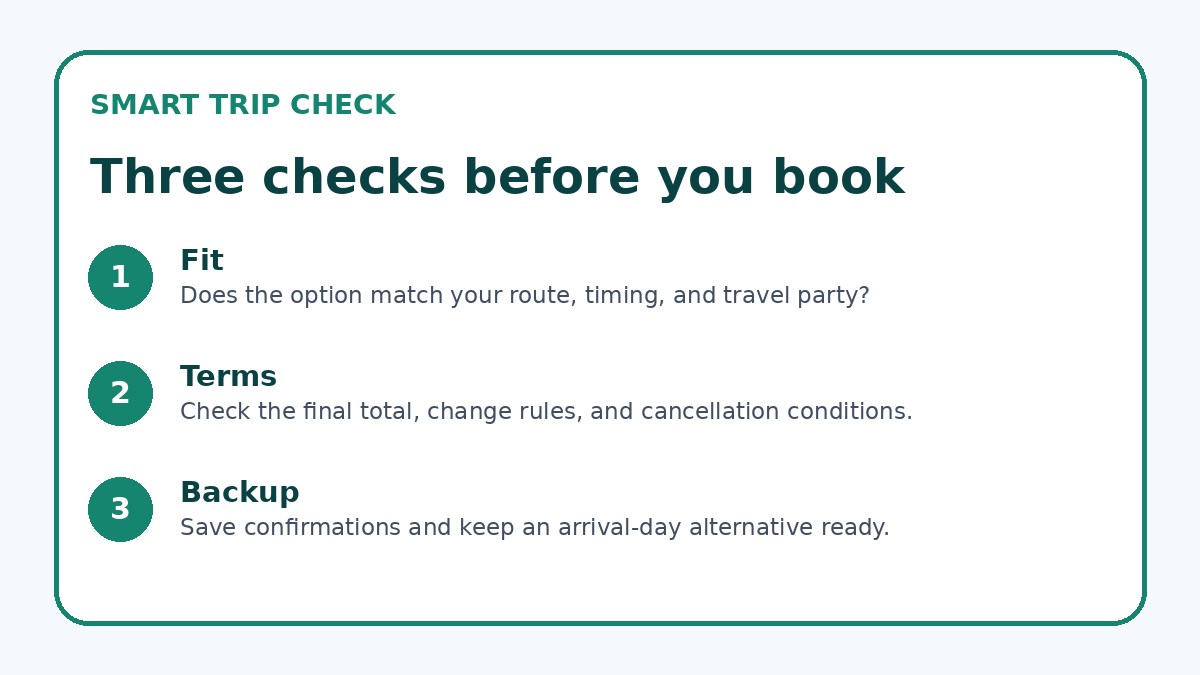
Luggage handling options and when to use each
There are a few practical ways to manage extra luggage: carry it yourself with help from elevators and trolleys; use station lockers or short-term left-luggage services; arrange courier or luggage-forwarding; or rely on taxis and shuttles that accommodate larger items. Carrying luggage the whole way keeps timing flexible but increases physical strain and risk of delays during transfers. Lockers and left-luggage services reduce carrying but require you to time drop-off and pickup; they may not fit very large items, so check dimensions and availability before relying on them.
Courier or luggage forwarding services eliminate the problem of managing bags during platform transfers and are ideal if your accommodation accepts deliveries, but you must confirm delivery windows and liability policies. Shared taxis and private transfers can accept large pieces up to the vehicle’s limit—book these in advance when possible and check vehicle size. Whatever you choose, note the exact location where drivers or couriers meet passengers at both departure and arrival points, and verify any special handling or size rules on the provider’s page before you book.
Before you book
- Map station and terminal layouts in Seoul and Gangneung and note elevator, escalator, and shortest platform routes.
- Measure or photograph your luggage and confirm lockers, left-luggage limits, or courier size restrictions before departure.
- Reserve or pre-book a taxi or shuttle that specifies vehicle size if you need door-to-door pickup with large bags.
- Allow at least 45–90 minutes extra for transfers when switching between modes or between unconnected station areas.
- Confirm on the operator’s final booking page whether seats are assigned and whether luggage storage is permitted on board.
- Pack essential items and documents in a small accessible bag to avoid opening checked luggage during transfers.
What to verify before booking and on travel day
On the provider’s final booking page and the station’s official site confirm step-free access, elevator locations, platform transfer distances, and whether luggage trolleys are available. Don’t assume advertised stations all have the same internal layout—some intercity platforms sit beneath a large bus terminal, and some require moving between buildings. Check whether tickets or passes include assigned seats (useful when storing bags near you) and whether the operator allows bags in luggage racks or requires them to stay at your feet; if the booking page doesn’t say, contact the provider directly.
On travel day, arrive earlier than usual to locate the best elevator, the shortest pedestrian route, and the taxi or pick-up point. Take photos of station signs and stair/elevator layouts if you’re concerned about return transfers. If you plan to use lockers or a courier service, confirm opening hours and pickup cutoffs in person when you drop off. Finally, keep essential items—documents, phone, medication—in a small carry-on you can access without digging through larger suitcases during transfers.
Frequently asked questions
Can I bring oversized suitcases on trains or buses from Seoul to Gangneung?
Most intercity trains and long-distance buses accept suitcases, but size and orientation rules differ by operator. Before booking, check the carrier’s baggage policy on its official page for permitted dimensions, whether items must be stored in overhead racks or designated luggage areas, and any fees or rules for oversized items. If the policy is unclear, contact customer service. For very large or heavy pieces, consider pre-booking a taxi or using a luggage forwarding service and verify pickup and delivery details and timing with the provider.
Where can I find elevators, lockers, or baggage services at major Seoul stations?
Station maps and official station websites typically show elevator locations, locker areas, and information desks; these are the best authoritative sources. Look for service counters labeled for left-luggage or luggage storage and confirm hours and size restrictions. If using a specific station, search or ask staff about step-free routes between the street, ticket gates, and the intercity platforms you’ll use. Trip.com can be used to compare current availability, but always verify elevator and locker details on the station’s or operator’s official page before relying on them.
Is it faster to take a bus or train to Gangneung when I have a lot of luggage?
Speed depends on where you start in Seoul and where you need to arrive in Gangneung. Buses often offer curbside loading that can be quicker at the terminal, while trains may be faster on the move but could require longer station walks or platform changes. Compare door-to-door time, including the taxi or transfer walks at both ends. If minimizing handling matters more than a few minutes, select the option with fewer transfers and direct curbside access at arrival, and verify station layouts and vehicle access on booking pages.
Final planning note
Traveling from Seoul to Gangneung with extra luggage is a solvable planning problem once you focus on station layout, transfer complexity, and available handling options. Choose departure points with elevators and short platform routes if you want to minimize carrying, or use bus terminals and taxis for easier curbside access. If you prefer not to manage luggage during transfers, investigate courier forwarding or pre-booked vehicles that state their luggage capacity. Before you buy tickets, verify step-free access, luggage rules, locker sizes, and pickup points on the operator’s and station’s official pages to avoid surprises. A little prep on layouts and transfer points will save time and stress on the travel day.
Continue planning
Check current options and final conditions
Use the provider page to confirm live availability, the final total, cancellation terms, and every condition that matters to your trip.
This evergreen planning guide was created with AI-assisted drafting and a structured quality review. It does not display live prices, schedules, availability, visa guidance, or provider rankings. Verify current details before booking. Some links are affiliate links; we may earn a commission at no additional cost to you.