
Practical answer: for most couples planning a Sapporo trip, start serious searching 2–4 months before your preferred travel dates and aim to book within that window once you’ve compared key dates, accommodation types, and refundable vs nonrefundable rates. If you travel during winter festival periods or major holidays, widen that window to 4–6 months. A clear rule of thumb: prioritize refundable hotel rates and flexible flight options while you research; switch to nonrefundable deals only when the savings outweigh the risk that one partner’s plans may change.
This article explains how to pick the right booking window together, the tradeoffs between early and last-minute booking, and a simple decision checklist couples can use to choose when to commit. The aim is to help you balance price, availability, and your relationship’s tolerance for planning flexibility so you both arrive in Sapporo with fewer surprises and more time to enjoy each other’s company.
See current options before you compare the details
Availability and final conditions change. Open Trip.com now or keep reading for the practical comparison.
Why a couple-focused booking window matters
Booking together is about aligning two calendars, preferences, and risk tolerances. Couples often disagree on priorities—one partner may value a central hotel near nightlife, the other a quieter neighborhood or lower price. Choosing a clear booking window reduces friction by setting an expectation: you’ll both research and compare options during a defined period and then decide. That prevents endless browsing and helps avoid one partner feeling pressured into accepting a deal they didn’t review.
A focused window also controls the practical tradeoffs: sooner bookings often increase selection and sometimes lower prices for popular room types, while later bookings can yield last-minute availability if you’re flexible. For couples, the middle ground—searching early but waiting a short, agreed period before clicking confirm—lets you gather options without locking in nonrefundable commitments until you’ve compared flights, hotels, and key activities.
How season and events change the timing
Sapporo’s tourist flow shifts dramatically with seasons—winter draws visitors for snow festivals and skiing, while summer brings festivals and outdoor dining. If your trip overlaps a well-known event (for example, a festival or holiday cluster), availability for midrange and boutique hotels will tighten earlier. For those dates, expand your booking window: begin researching 4–6 months ahead and consider booking once you find refundable options you both like to avoid losing hotels with desirable features.
Off-peak months give more leeway: there’s often better inventory and you can wait closer to 2 months before committing without sacrificing many choices. However, don’t ignore flights—airlines can release limited seats at promotional fares far in advance or close to departure. For couples, set an alert on a trusted aggregator or compare current availability on Trip.com as one quick way to keep tabs, then verify all carrier and hotel terms on the provider’s final booking page before paying.
| Approach | Best for | Tradeoff to check |
|---|---|---|
| Book early (4–6 months) | Couples traveling during festivals or with fixed schedules | Better selection and potential availability; may pay premium for flexibility or lock dates early |
| Standard window (2–4 months) | Most couples balancing cost and selection | Good balance of options and price visibility; requires coordinated decision-making |
| Late booking (under 2 months) | Flexible couples who prioritize deals over specific hotels | Possible savings and last-minute offers; higher risk of missing preferred rooms or flights |
| Split approach (book flights early, hotels later) | Couples prioritizing schedule certainty but willing to hunt hotel deals | Secures travel dates but hotel selection may narrow or become pricier closer in |
Ready to check the option that fits your plan?
Use your exact dates and traveler details so the provider page can show the current total and conditions.
Balancing flexibility and savings
A key couple decision is how much flexibility you need. If one partner’s schedule is uncertain, favor refundable or change-permitted fares and hotel rates even if they cost more. That premium is insurance against stress and cancellation arguments. If both partners have locked-in schedules and prefer saving money, you can consider stricter nonrefundable deals but set a firm deadline in your booking window when you will buy those lower-cost options.
Compare total value, not just headline price. For flights, check baggage rules, connection times, and change fees; for hotels, compare cancellation windows and included amenities. Tell the reader to confirm the precise cancellation and change conditions on the final provider booking page because these terms change often. Couples should agree in advance how large a price difference justifies giving up flexibility—this avoids arguments when a tempting nonrefundable deal appears.
Before you book
- Agree on travel dates and a maximum budget together before searching.
- Set price alerts for your chosen travel dates and monitor fares for at least two weeks.
- Compare refundable versus nonrefundable hotel rates and note exact cancellation deadlines on the provider page.
- Review full flight itineraries, including layover times and change fees, on the airline’s final booking page.
- Decide together on acceptable tradeoffs (flexibility vs savings) and record this decision in a shared doc.
- Book when your shared booking deadline arrives, or if a refundable option you both approve appears.
Practical steps couples should take before booking
Start with a short joint planning session to list travel dates, must-see sights, and a realistic budget. Use a shared spreadsheet or note to track options and screenshots of fares and rooms you both like. Set two decision milestones: a search milestone (when you stop looking for new options) and a booking deadline (when you commit). That forces a choice—either commit to a refundable hold or buy a lower-rate nonrefundable option based on the agreed tradeoffs.
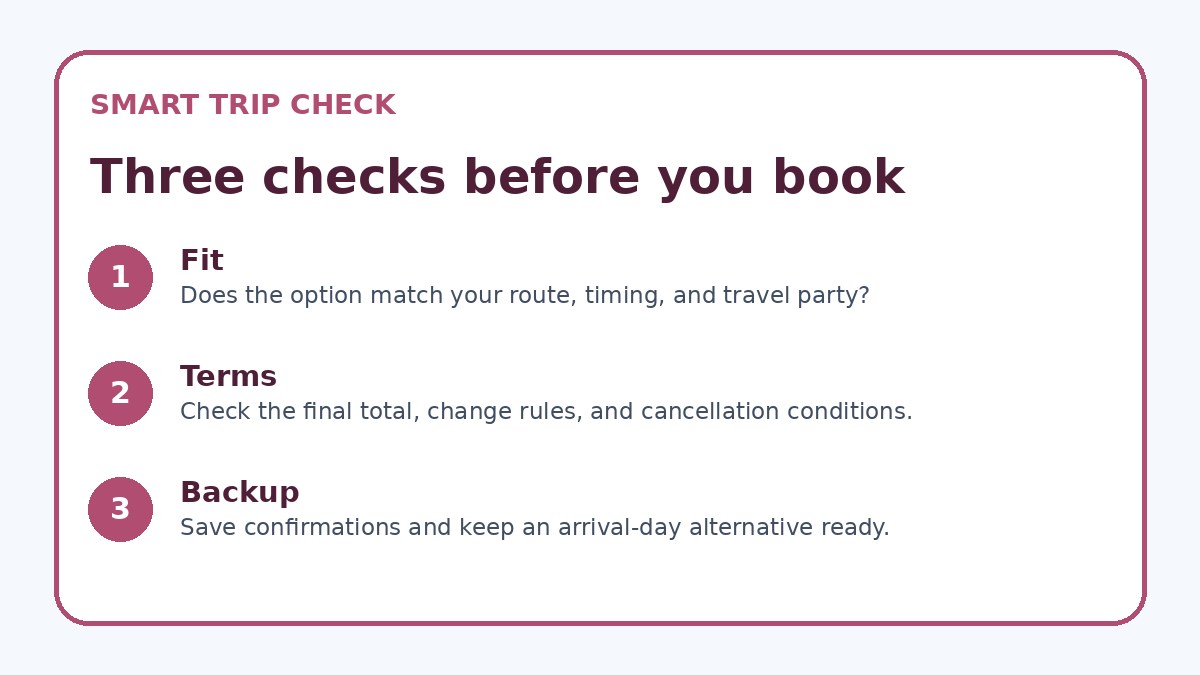
Before you pay, review three specific items together: the full flight itinerary including connection times and change fees, the hotel’s cancellation and check-in policies, and any activity or tour booking terms. When provider-specific facts matter—like exact cancellation deadlines, extra guest fees, or baggage allowances—look them up on the provider’s final booking page and confirm those details together so neither partner is surprised after purchase.
Frequently asked questions
How far ahead should couples book flights to Sapporo to balance price and flexibility?
For most couples a 2–4 month window before travel is a practical balance: it gives access to a meaningful range of fares while leaving room to compare. If you have firm dates and want peace of mind, consider booking earlier for better seat selection, but choose fares with manageable change or cancellation terms. If one partner’s schedule might change, prefer flexible tickets despite higher cost. Always double-check the airline’s change and baggage policies on the booking page before purchase since those specifics determine how flexible the ticket truly is.
Should couples book hotels in Sapporo early or wait for last-minute deals?
If you’re traveling during a local event or peak season, book earlier (4–6 months) to lock desirable rooms. In quieter periods, waiting until 1–2 months before arrival can yield good options and occasional last-minute discounts. However, evaluate the hotel’s cancellation policy: refundable rates let you reserve now and cancel later if a better rate appears. Verify the hotel’s final cancellation deadlines and any additional fees on the provider’s booking page so you understand the real flexibility before confirming.
How can couples decide whether to prioritize price or convenience when booking Sapporo travel deals?
Start by ranking what matters most to both partners: location, comfort, sightseeing convenience, or saving money. If convenience or a specific neighborhood is important, accept a potentially higher rate to secure it early. If savings rank top and you’re both flexible on exact accommodations or flight times, wait and hunt for deals closer in. Agree on a threshold where extra savings justify losing flexibility—for example, a percentage or absolute amount—so the decision isn’t emotional at checkout. Always confirm provider-specific terms on the final booking page before paying.
Final planning note
Choosing a realistic booking window for Sapporo travel deals as a couple is mainly a negotiation between availability, price, and how much flexibility you both need. Use a joint planning session to agree on dates, budget, and acceptable tradeoffs, then adopt the 2–4 month rule for most trips and extend to 4–6 months for festivals or holiday travel. Prioritize refundable rates while you compare, and switch to lower-cost nonrefundable options only when you’ve both signed off. Keep communication clear and use shared tools to track choices; that minimizes last-minute stress and helps you focus on enjoying Sapporo together.
Continue planning
Check current options and final conditions
Use the provider page to confirm live availability, the final total, cancellation terms, and every condition that matters to your trip.
This evergreen planning guide was created with AI-assisted drafting and a structured quality review. It does not display live prices, schedules, availability, visa guidance, or provider rankings. Verify current details before booking. Some links are affiliate links; we may earn a commission at no additional cost to you.